


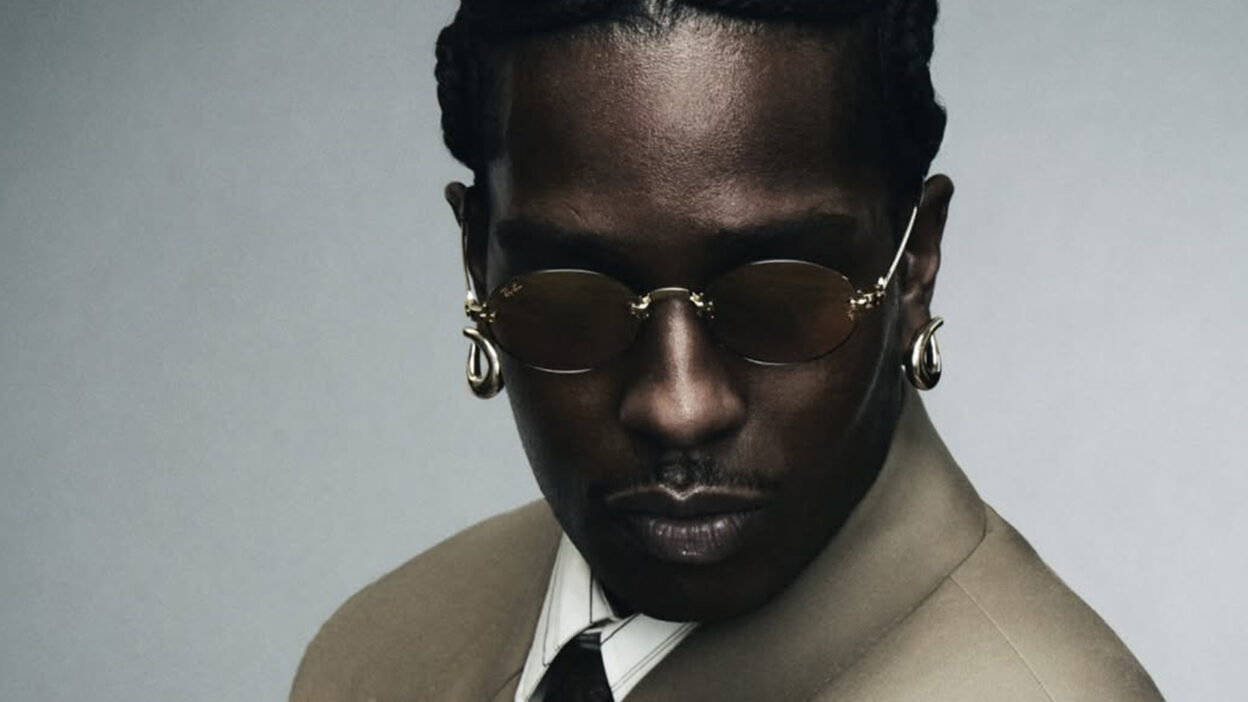
Over the past five years, Ray-Ban once an undisputed cultural pillar has drifted into stagnation. The brand’s reliance on legacy silhouettes like the Wayfarer and Aviator, coupled with repetitive marketing formulas, has diluted its relevance in a market increasingly driven by experimentation and narrative depth.
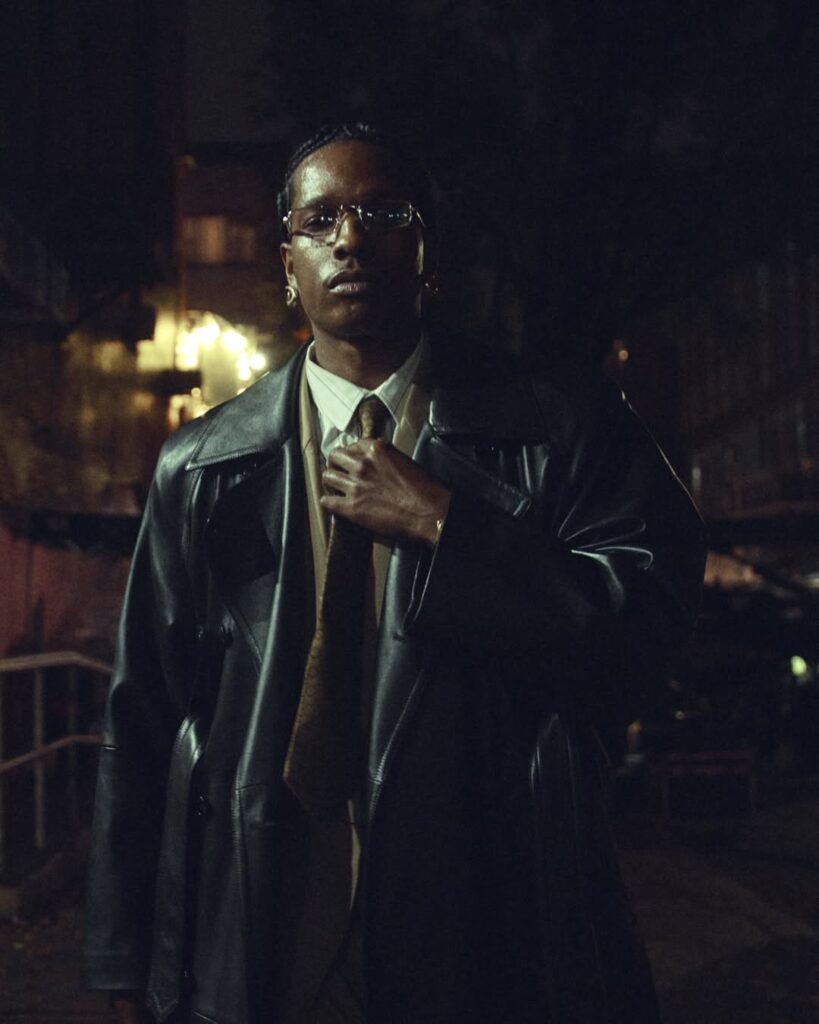
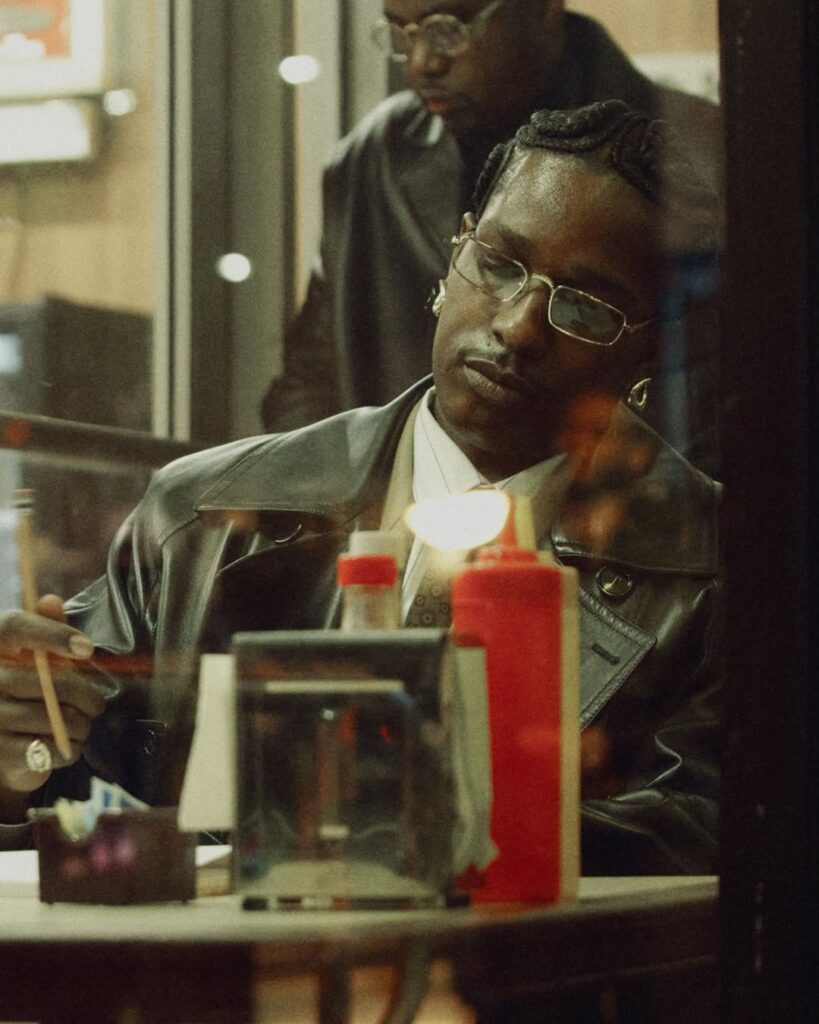
Now, under the strategic direction of Luxottica (part of EssilorLuxottica), there is a visible attempt to reposition Ray-Ban not just as a product, but as a cultural actor. The appointment of A$AP Rocky as a creative figurehead signals a deliberate shift toward relevance within fashion and street culture ecosystems.
Building a culture around eyewear, similar to the sneaker industry, is a great thing but when it’s done by stepping on the work of dozens of independent brands and appropriating their ideas, the end consumer will ultimately see who is original and who is fake.
But beneath the surface, this “revival” raises a more uncomfortable question: is this innovation or appropriation?
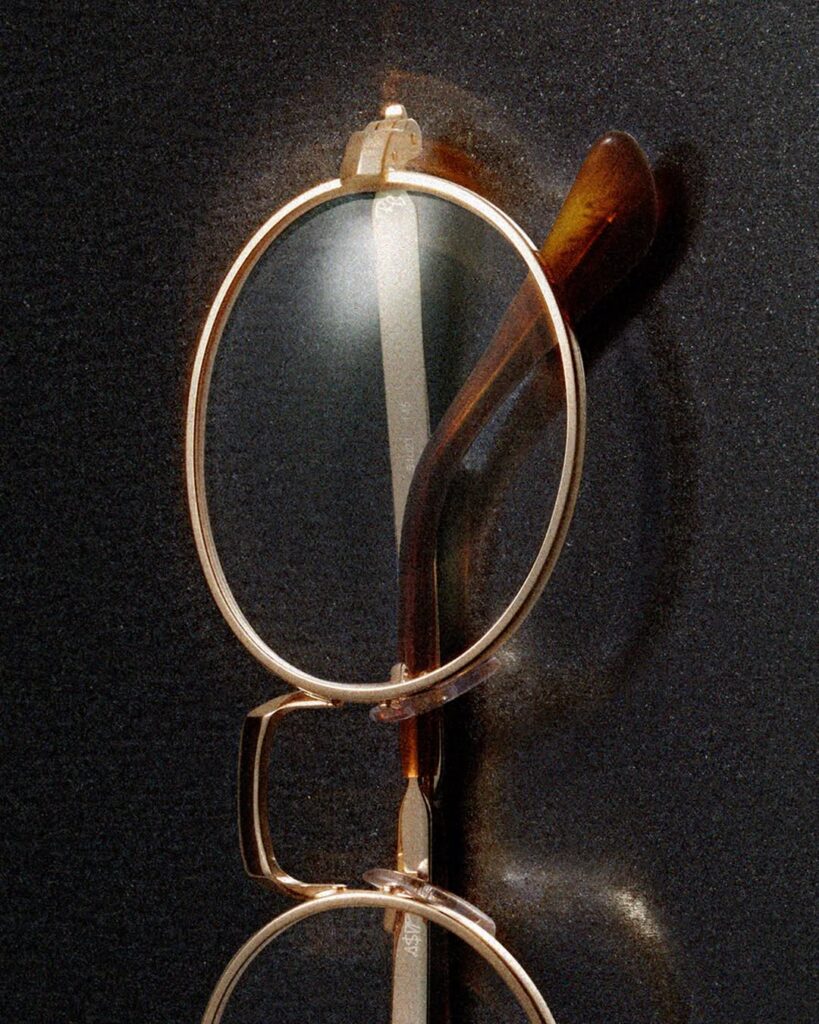
Borrowed Codes from the Independent Frontier
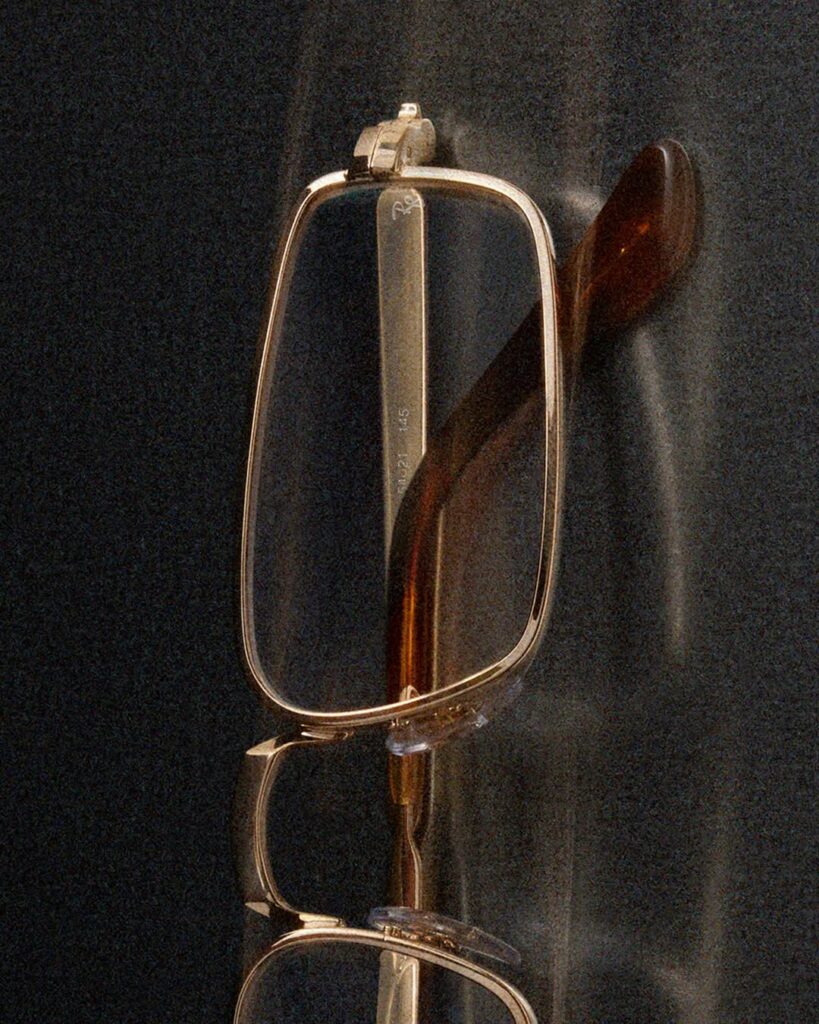
The visual language emerging from Ray-Ban’s recent direction feels strikingly familiar. Thick 8mm acetate constructions, exaggerated proportions, raw titanium executions, and rimless designs treated with cinematic grain aesthetics these are not inventions of conglomerates.
They are signatures of the independent eyewear movement.
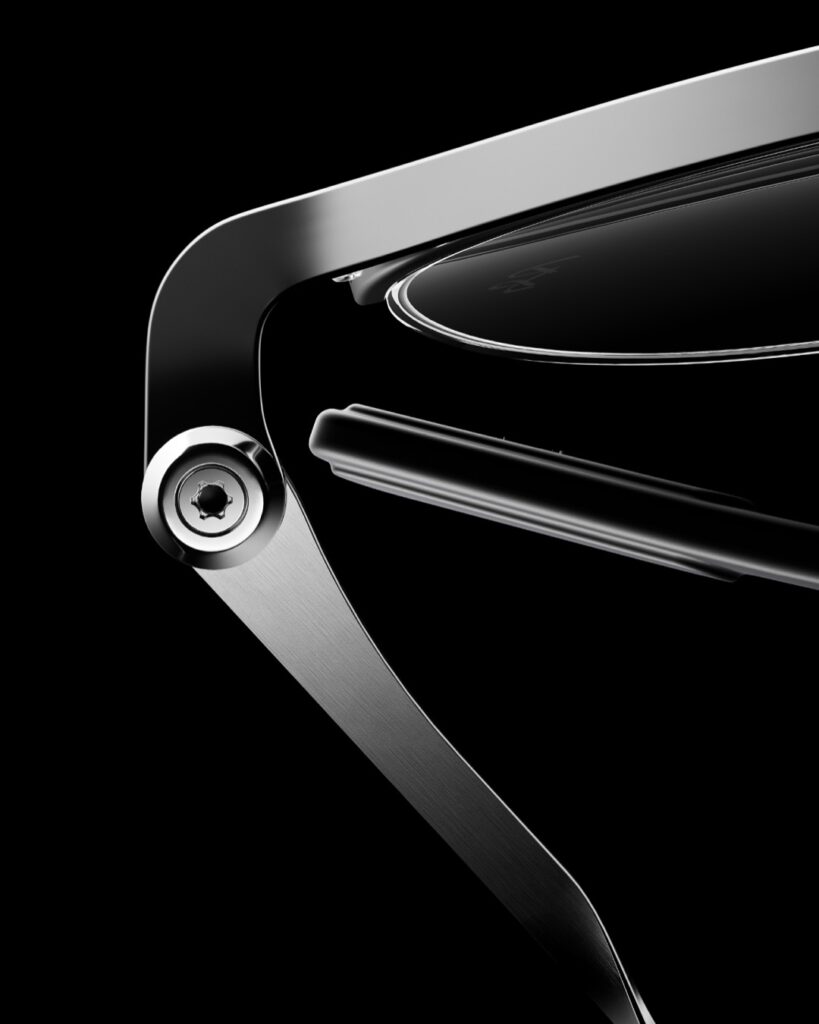
Brands like Yuichi Toyama, John Dalia, Jacques Marie Mage, Lapima and newer experimental labels such as The Other Glasses have spent years developing these codes not as trends, but as identity. Their work is rooted in material exploration, small-batch production, and a direct relationship with niche cultural communities.
What conglomerates are now doing is translating these ideas into scalable products, stripping them of context while amplifying them through marketing budgets.
This is not cultural creation. It is cultural extraction.
The question consumers are beginning to ask is whether A$AP Rocky genuinely wears Ray-Ban in his daily life, or if he gravitates toward independent brands. He has, on multiple occasions, been seen wearing independent eyewear rather than Ray-Ban. It echoes a familiar dynamic when a public figure endorses an entry-level watch, yet personally wears a high-end Swiss timepiece.

The Retail Illusion: Why Independent Stores Are Still Buying In
A critical tension lies within the behavior of independent optical retailers themselves. Many continue to buy into the narrative that Ray-Ban’s repositioning will drive easy sales especially with the cultural co-sign of figures like A$AP Rocky.
But this belief overlooks a structural reality: conglomerates do not need independent stores.
Groups like EssilorLuxottica operate vertically integrated ecosystems from manufacturing to distribution to owned retail chains. Their long-term strategy is not to empower independent opticians, but to control the entire value chain.
The paradox is stark: independent stores are financing the very players that are eroding their uniqueness.
A Wider Industry Pattern of Creative Dependence
Ray-Ban is not an isolated case. Across the industry, conglomerates are increasingly dependent on the creative output of independent brands:
- Marcolin, through licenses like Max Mara and Tom Ford, has echoed design cues pioneered by independent labels.
- Kering, via Bottega Veneta eyewear, has drawn visibly from the same aesthetic territory explored by brands like Lapima and The Other Glasses.
This is not coincidence it is systemic.
Independent designers function as R&D laboratories for the industry. They take risks, develop new visual languages, and build cultural relevance organically. Conglomerates then observe, replicate, and scale.
The Missing Ingredient: Authentic Cultural Capital
What these large players consistently underestimate is that cultural value cannot be manufactured through budget alone.
In sneakers, billion-dollar investments have successfully engineered cultural moments. But eyewear operates differently. It is more intimate, more identity-driven, and less dependent on hype cycles.
Ray-Ban’s current strategy reveals a fundamental inconsistency: there is no clear design DNA guiding its evolution.
Instead of investing in genuinely innovative design teams capable of creating a new movement, the brand assembles fragments of existing ones. The result is a diluted narrative visually convincing, but conceptually hollow.
Urban cultural value is not created by imitation. It is built through risk, authorship, and time.
Independent stores must realign with independent brands. Not out of ideology, but out of necessity.
Because the future of eyewear innovation does not belong to vertically integrated giants.
It belongs to the margins where ideas are still fragile, unpolished, and real.



 English
  French
  Italian
  Spanish
  Portuguese
  German
  Korean
  Japanese