

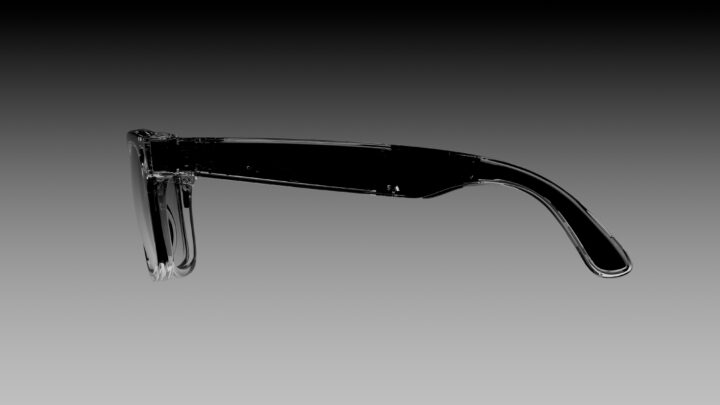
The race is on.
From Apple and Google to Meta, from collaborations with Ray-Ban and Oakley to investments in Gentle Monster, and venture capital backing startups like Sesame or Even Realities, everyone is fighting for a piece of the smart glasses future.
On paper, it looks inevitable.
In reality, it’s heading toward a quiet failure.
The Illusion of Momentum
There has never been more technology packed into eyewear. Cameras, AI assistants, audio, connectivity each new release promises to redefine how we interact with the world.
But here’s the uncomfortable truth:
Most people don’t need smart glasses.
Not yet.
And for the next five years, they won’t.
The “Drawer Effect”: Why Consumers Treat Them Like Toys
Today’s smart glasses suffer from a predictable lifecycle:
- Curiosity
- Purchase
- Experimentation
- Abandonment
They are not essentials. They are novelties.
People buy them, play with them for a few days, maybe post a video or two and then they disappear into a drawer.
Even among early adopters, usage remains occasional, not habitual.
The harsh reality?
Smart glasses are still perceived as toys.
The Real Game: Attention vs. Augmentation
Big Tech isn’t building smart glasses for fashion or even for utility.
There are only two real objectives:
- Human augmentation through AI — a world where you are constantly connected, assisted, and enhanced
- Attention capture — keeping you inside their ecosystem for longer
More time spent connected = more data = more revenue.
A new app economy will eventually emerge around this.
But we are not there yet.
Not even close.
The Fatal Miscalculation: Tech Doesn’t Understand This Fashion Category
This is where everything breaks.
Eyewear is not a gadget category. It is a fashion category first.
And tech companies fundamentally misunderstand this.
That’s exactly why Google invested in Gentle Monster a quiet admission that their earlier attempt with Google Glass failed not just because of timing, but because of culture.
Eyewear is identity.
It’s how people express taste, status, and belonging.
You don’t “adopt” glasses you wear them as part of who you are.
And right now, smart glasses fail that test.
The Core Question No One Can Answer
At the end of the day, one question destroys the entire category:
Why would I need smart glasses if I already have a smartphone?
As long as smart glasses are:
- an additional device
- less powerful than a phone
- dependent on a phone
…they will remain optional.
And optional products rarely become first cateogry products.
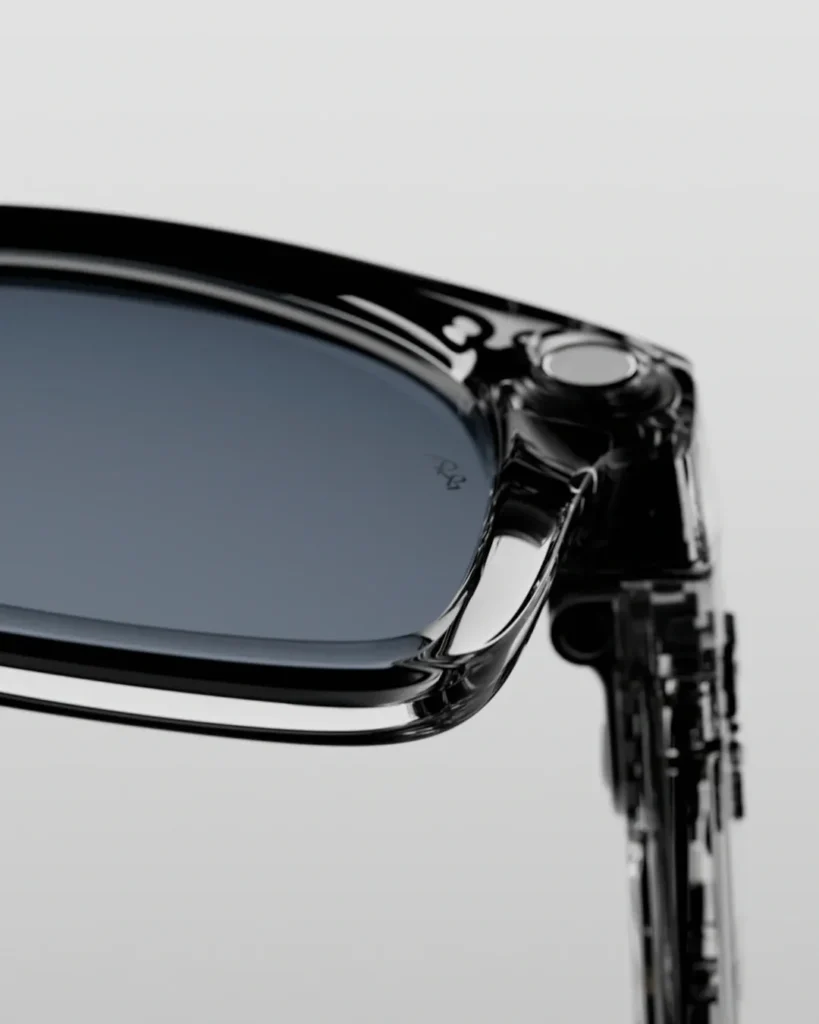
Design vs. Battery: The Impossible Trade-Off
There’s a fundamental engineering dilemma no company has solved:
- Make them look normal → battery lasts 4–5 hours
- Extend battery life → design becomes bulky, unnatural
- The issue of projector-based displays versus transparent prescription lenses and their impact on eye health.
For everyday eyewear users, this is a dealbreaker.
Glasses are worn all day.
Anything that needs to be recharged halfway through the day immediately feels like a compromise.
And compromises don’t scale.
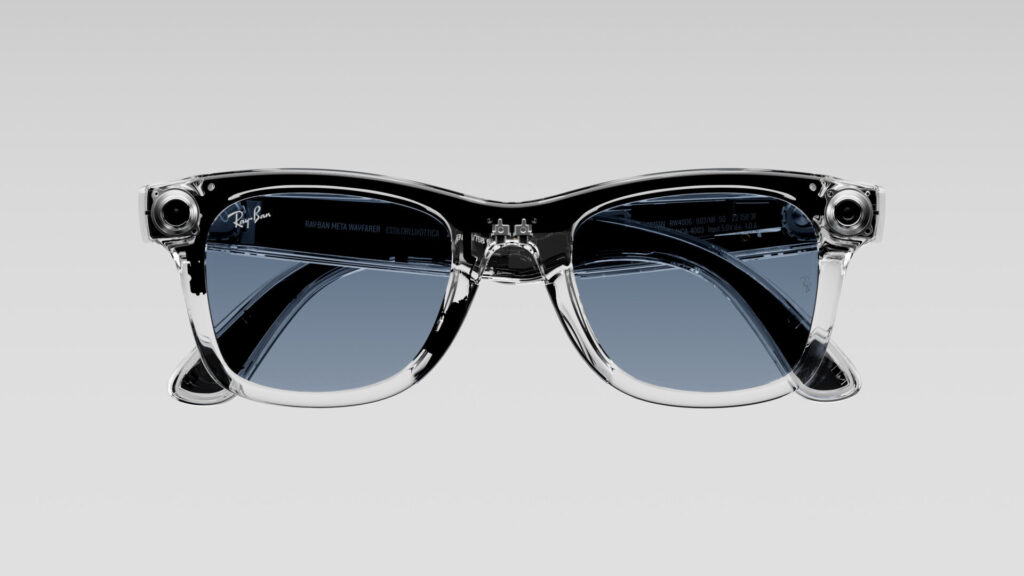
The Strategic Conflict Big Tech Won’t Admit
There’s a deeper issue one that rarely gets discussed.
Smart glasses are meant to eventually replace smartphones.
But companies like Apple and Google generate massive revenue from smartphones and their ecosystems.
So why would they accelerate a product that could destroy their most profitable category?
They won’t.
Innovation here will be intentionally slowed.
The only players pushing aggressively are:
- Meta
- Startups with nothing to lose
But even Meta has a history of burning billions on projects like the metaverse with limited return.
Take OpenAI, Google and Apple as examples: they had been working on this for years, yet none of them brought a product to market until the revolution sparked by ChatGPT (OpenAi). For Google, doing so earlier would have meant cannibalizing and potentially undermining a large part of its core search advertising business.
The Hidden Phase Before Smart Glasses
What most people miss is this:
Smart glasses won’t succeed until a cultural foundation exists.
Before technology wins, culture must form.
We’ve seen this before:
- Streetwear
- Sneakers
- Luxury collaborations
Eyewear is already moving in this direction.
Brands like Jacques Marie Mage are building:
- scarcity
- storytelling
- emotional value
At the same time, cultural figures like Travis Scott and A$AP Rocky are being positioned as creative forces in fashion ecosystems.
This is not random.
It’s the early stage of a new eyewear culture.
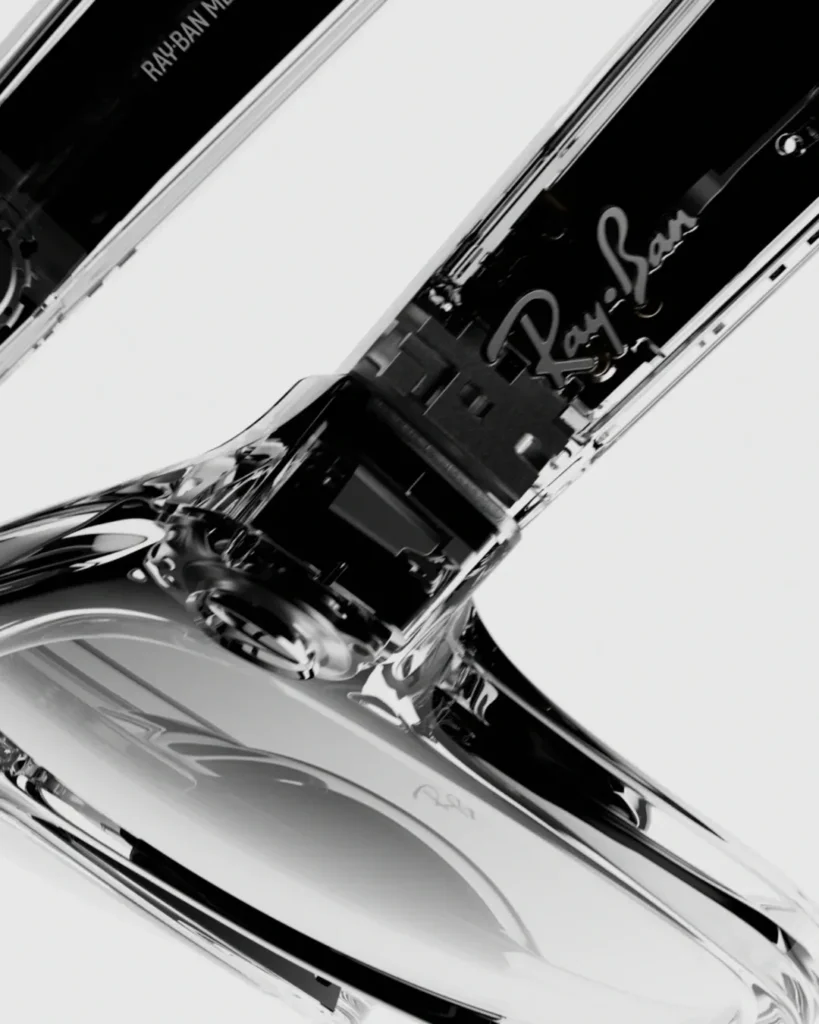
When Silicon Valley Tries to Learn Style: The Talent Grab and Cultural Gap in Smart Glasses
Another overlooked reality is how these companies are trying to bridge the gap: they are increasingly hiring talent from established eyewear brands, hoping to inject fashion expertise into deeply technical organizations. On paper, it makes sense. In practice, it exposes a deeper disconnect.
The leadership of companies like Meta, Google, and Apple comes from engineering, product, and platform ecosystems not from fashion. And fashion is not something you can simply “learn” by hiring a few insiders or studying trends.
It’s cultural. It’s instinctive. It’s built over decades.
What we’re seeing now is Big Tech attempting to learn the business of fashion in real time and sometimes, it borders on the ironic. Watching Mark Zuckerberg appear at events like Prada highlights this shift: a symbolic move into a world that operates on entirely different rules than Silicon Valley.
Because in fashion, product is not enough.
Relevance must be earned.
This race will be won by a team that truly bridges both worlds where a tech CEO doesn’t try to be everything at once: engineer, fashion icon, business-of-fashion expert, creative director, and designer.
One of the underlying issues is ego.
Because while coding can be learned, creative intuition is something you’re born with. It’s like a painter, a sculptor, a writer, or a director deeply human, instinctive, and impossible to replicate. Even AI cannot replace that inner creative sense.
In the end, this race won’t be won by pure technology or pure fashion, but by those who genuinely understand and respect both: the precision of tech and the intuition of creativity.
What Comes Next (And Why Failure Is Necessary)
Smart glasses will not disappear.
But their current form will fail.
And that failure is necessary.
Because before smart glasses become essential, three things must happen:
- Cultural integration — glasses must become identity-driven again
- Technological invisibility — no visible compromise in design
- Functional necessity — they must replace, not complement, the phone
Until then, every launch will feel premature.
Every product will feel incomplete.
Every user will feel unconvinced.
Final Thought
The industry is not early.
It’s too early pretending to be ready.
And until technology learns to respect culture not just engineer around it smart glasses will remain exactly what they are today: expensive experiments people forget they bought.
Almost certainly, within the next 15–20 years perhaps even sooner the smartphone will be replaced by glasses. Many eyewear brands will disappear; some of the ones that will define that future are being born right now, while others will adapt.
But for this future to truly work, there must be diversity more than just two dominant options or ecosystems like we see in the smartphone industry today.
And that future depends on startups, independent eyewear creators, and, above all, the existence of a healthy independent economy one where boutiques can evolve and sell not just glasses, but culture.

 English
  French
  Italian
  Spanish
  Portuguese
  German
  Korean
  Japanese