

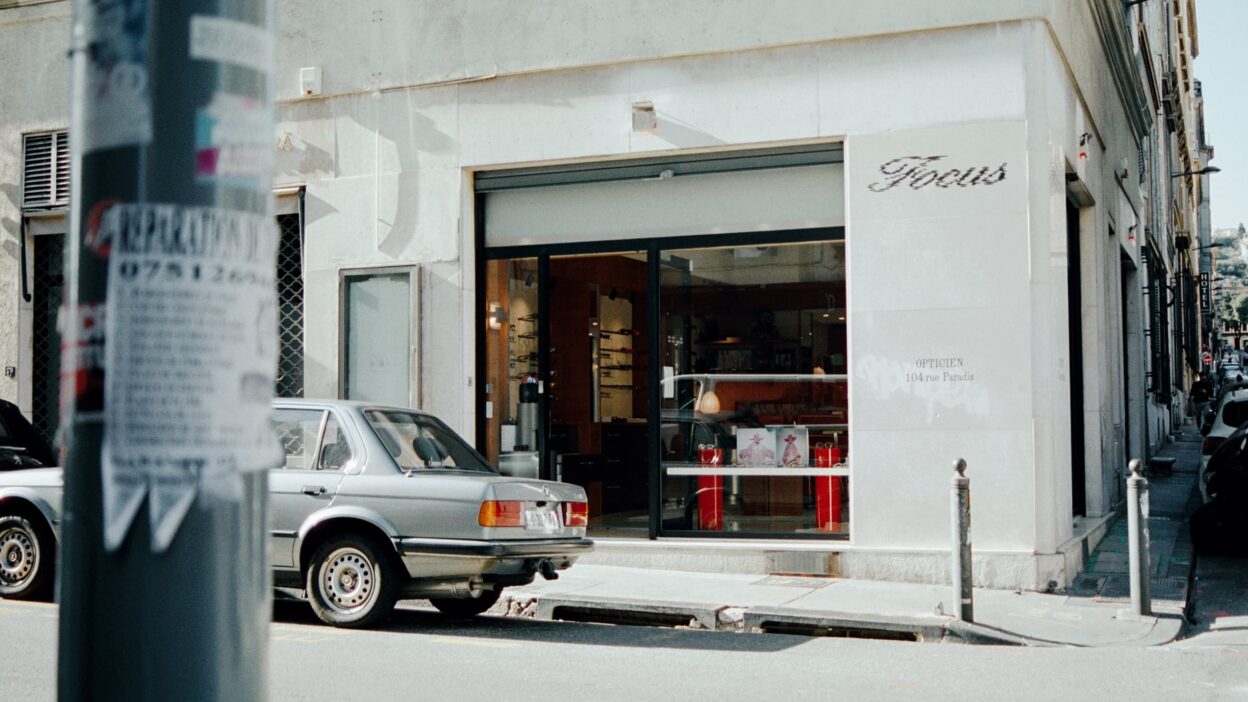
The optical industry is approaching a structural breaking point. Over the next 24 months, more than half of today’s optical retail stores are at serious risk of bankruptcy not because eyewear demand is declining, but because the business model that sustained the industry for decades is no longer viable.
What is happening in high fashion today is not isolated. Retailers such as Saks Fifth Avenue and SSENSE have entered bankruptcy protection last year. These companies are backed by investors, and they will reorganize. When they do, they will return to the market leaner, more aggressive, and more vertically integrated very likely expanding further into eyewear with a level of marketing power and scale in dependent optical stores cannot match. The eyewear sector will not be spared.
The Demographic Time Bomb
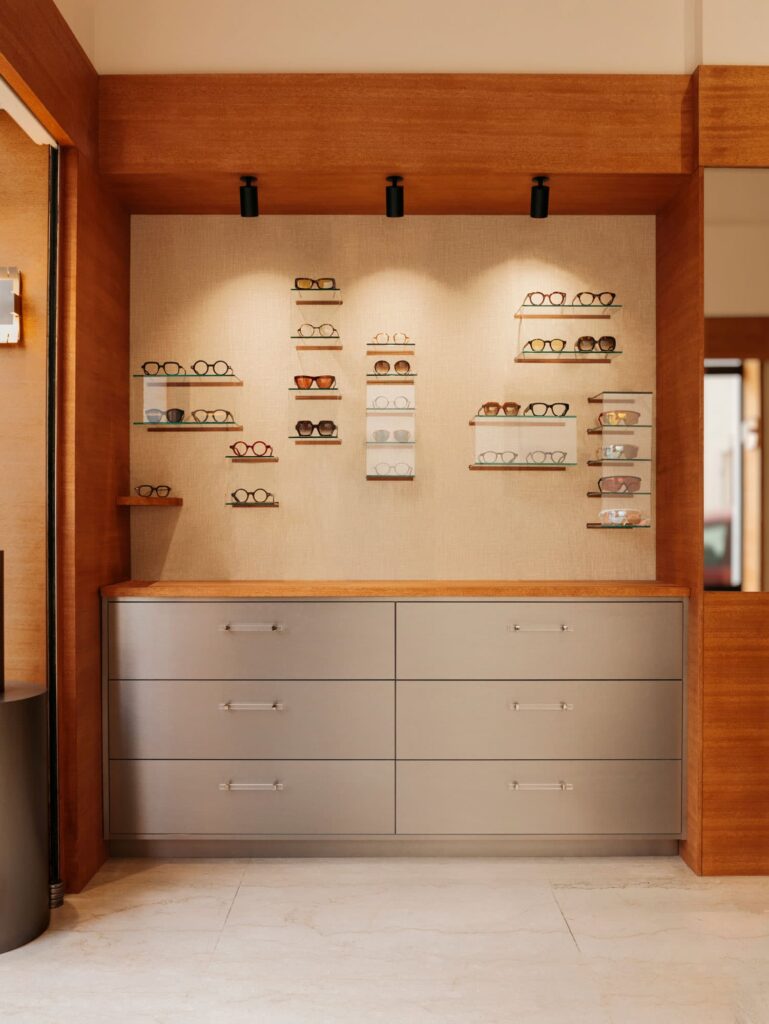
Most optical stores today depend heavily on customers aged 55–60+. This demographic has provided stability, but it is not a growth engine. The reality is uncomfortable but unavoidable: many optical stores are currently serving their last core generation of customers.
Younger consumers those willing to spend significant money on eyewear behave very differently. They do not visit physical stores for convenience or necessity. They come for:
- Atmosphere
- Cultural relevance
- Curated selection
- Products they cannot find online
Stores that fail to adapt to this reality will not survive the next cycle.
The Conglomerate Trap
Independent optical retailers have unknowingly financed their own decline by relying on large conglomerates such as EssilorLuxottica, Marchon, Safilo, and Kering.
These groups:
- Flood the market with interchangeable products
- Strip brands of clear DNA
- Prioritize logo recognition over design integrity
- Compete directly through their own mono-brand stores
Continuing to buy from conglomerates while expecting differentiation is a strategic contradiction.
Independent stores must work with independent brands. Not as suppliers only, but as long-term partners.

Less Product, More Meaning
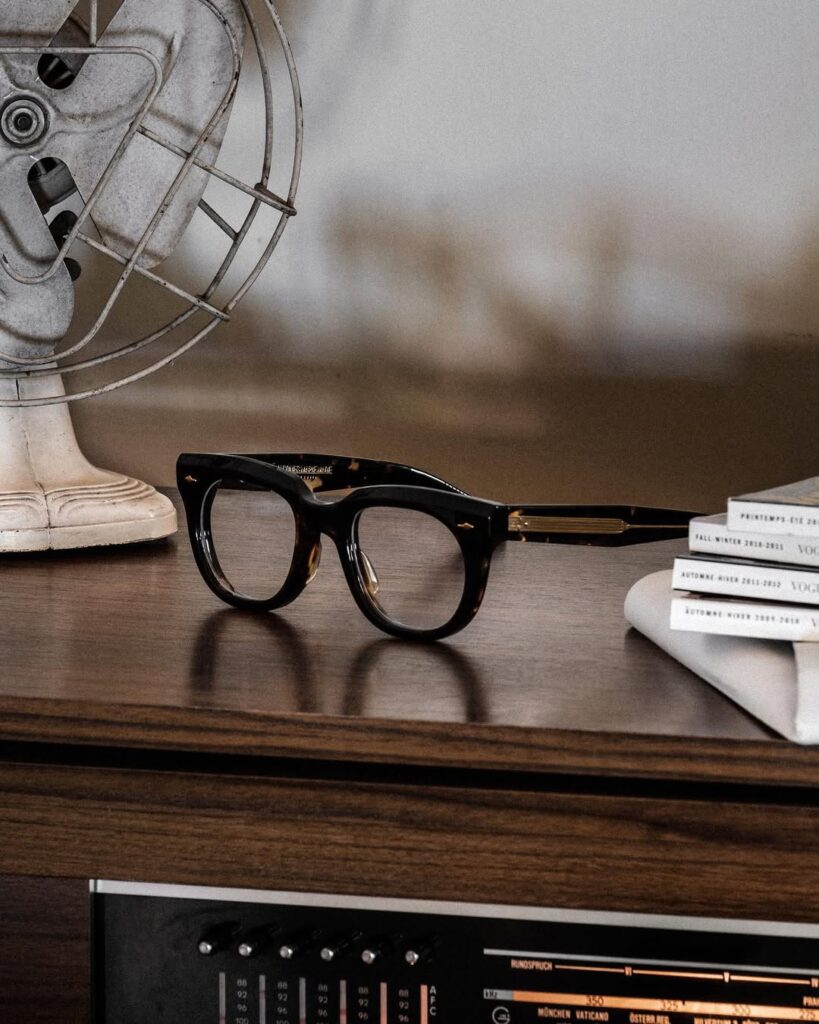
The future is not about having more frames on the wall. It is about having better frames with a story, a philosophy, and scarcity.
Winning stores will:
- Reduce SKU volume
- Offer limited editions
- Treat eyewear as collectible design objects
- Curate like an art gallery, not a warehouse
Independent brands understand this language. Conglomerates do not.
Education Is the Missing Layer
The eyewear market today is chaotic largely due to a lack of education both at retail and consumer levels. Young consumers spending serious money on eyewear are highly informed. They recognize when a product lacks authenticity.
They are not impressed by:
- Celebrity logos
- Mass-market luxury
- Inflated prices without substance
They are drawn to clarity of vision, craftsmanship, and cultural relevance.
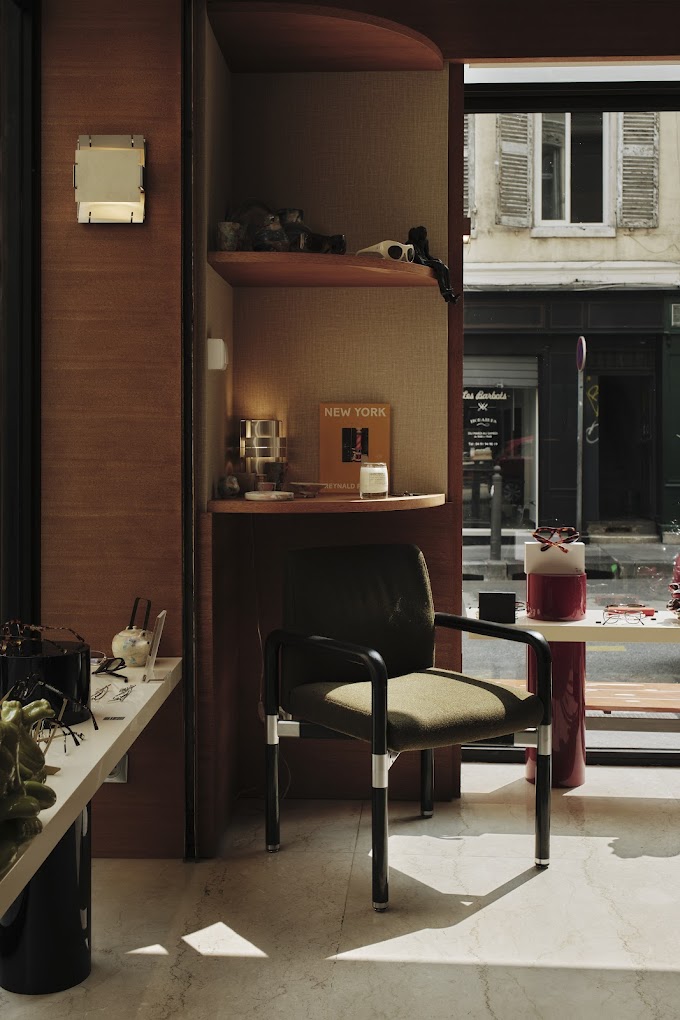
AI, Virtual Try-On, and the End of Functional Retail
Technology will accelerate the crisis. Virtual try-on tools are evolving rapidly. Legacy solutions such as Fittingbox are already being surpassed by new players capable of real-time 3D scanning and ultra-realistic facial rendering through a smartphone camera.
Soon, consumers will no longer need physical stores to “try” glasses.
This means physical retail must justify its existence through experience, exclusivity, and emotional connection, not function.
Smart Glasses: The Next Shockwave
In less than five years, smart glasses developed by technology companies will begin to seriously erode the traditional eyewear market. The partnership between EssilorLuxottica and Meta on Ray-Ban smart glasses is not a side project it is market conditioning.
The long-term objective is clear: replace the smartphone with eyewear.
Social platforms monetize attention. Glasses allow continuous connection. This shift will reshape consumer behavior entirely.
Stores that have not developed a conscious, high-value niche by then will disappear.
The Swiss Watch Parallel
Mechanical Swiss watches survived the rise of smartwatches because they occupy a different cultural and emotional space. Eyewear must follow the same path.
A resilient future exists—but only for independent, high-design eyewear brands with strong DNA.
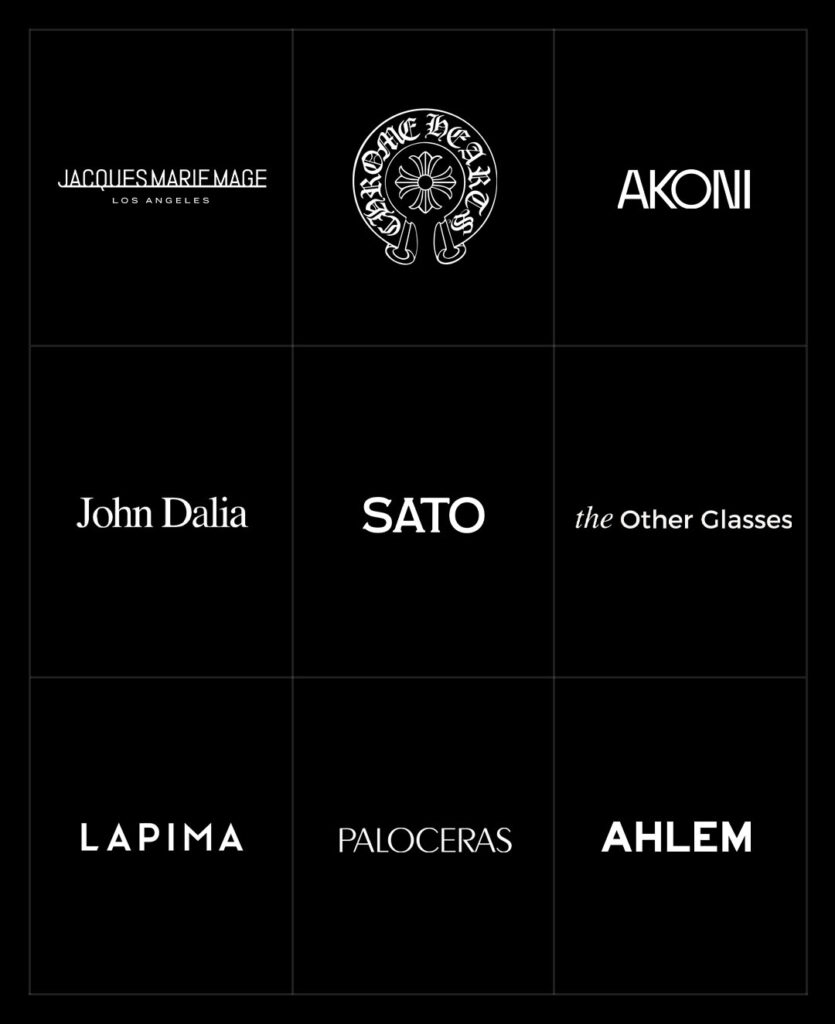
Optical stores should focus on brands that offer true differentiation and cultural legitimacy, such as:
- John Dalia
- The Other Glasses
- Sato
- Lapima
- Yuichi Toyama
- Max Pittion
- Ahlem
- Chrome Hearts
- Jacques Marie Mage
- Akoni
- Paloceras
These brands offer something conglomerate-owned names like conglomerates cannot: authenticity, scarcity, and vision.
Geography Reveals the Future
Markets like BeNeLux are already shifting toward independent eyewear. Italy shows early signs of transition. In contrast, Southern and Eastern Europe remain dominated by conglomerates pushing low-quality frames with famous logos and no identity.
Ownership of retail space will not save these stores. Cultural relevance will.
Independent Means Independent – Across the Entire Chain
The same logic applies to lenses. Independent stores should seek independent, high-quality lens suppliers and distance themselves from mass-market optical groups.
Conglomerates should sell their frames through their own retail networks which they already do.
Independents must offer a real alternative.

Why Consulting Alliances Are Not the Solution — And Why Optical Stores Need Creative Direction Instead
In recent years, particularly in the United Kingdom and Ireland, a growing number of consulting companies, buying groups, and retail “alliances” have emerged, all claiming to protect and strengthen independent optical stores. On the surface, these structures promise stability, better purchasing conditions, shared marketing, and operational guidance.
In reality, their long-term objective is far more transactional.
The final outcome of most of these alliances is aggregation: uniting multiple independent stores under a single structure, standardizing them, and eventually selling the consolidated package to investors or larger groups. Independence is not preserved it is temporarily warehoused.
The Illusion of Safety Through Consolidation
These consulting-led alliances focus almost exclusively on:
- Cost optimization
- Negotiated purchasing power
- Operational efficiency
- KPI standardization
While these elements may improve short-term margins, they systematically erase identity. Stores become interchangeable. Visual language, brand voice, and cultural positioning are diluted in favor of templates and “best practices.”
This approach misunderstands the core problem of optical retail today.
The crisis is not operational.
It is cultural.
Optical Stores Do Not Need Consultants They Need Creative Directors
Independent optical stores do not fail because they lack spreadsheets or purchasing leverage. They fail because they lack a clear, contemporary identity.
What stores need is not another consultant, but:
- Creative directors
- Designers
- Brand strategists
- Cultural curators
Professionals who can define:
- A visual universe
- A point of view
- A reason for young consumers to care
Without this, no alliance or buying group can save them.
Identity Cannot Be Outsourced to a Template
Consulting firms work with frameworks. Creativity does not.
A store that wants to survive must be treated like a brand, not a sales outlet. It needs:
- A defined aesthetic
- A coherent narrative
- A curated product mix aligned with its values
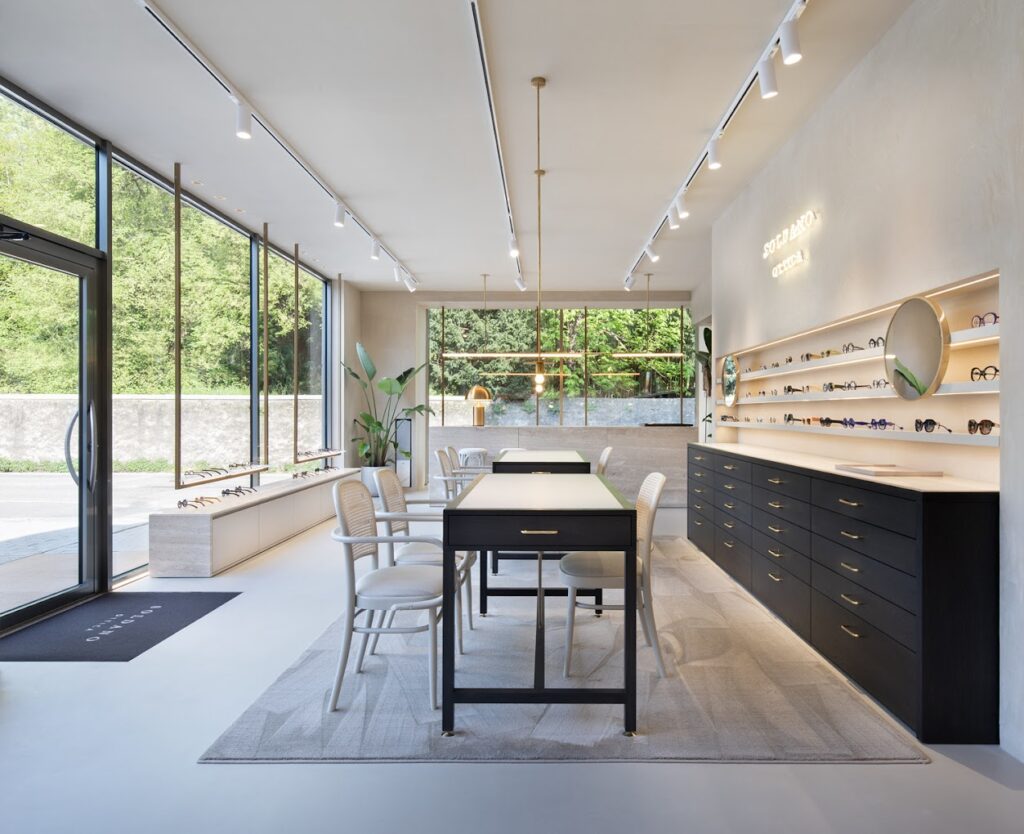
- Physical space designed as a cultural destination, not a medical facility
Young consumers do not engage with “optimized retail.”
They engage with meaning, vision, and design.
From Store to Cultural Platform
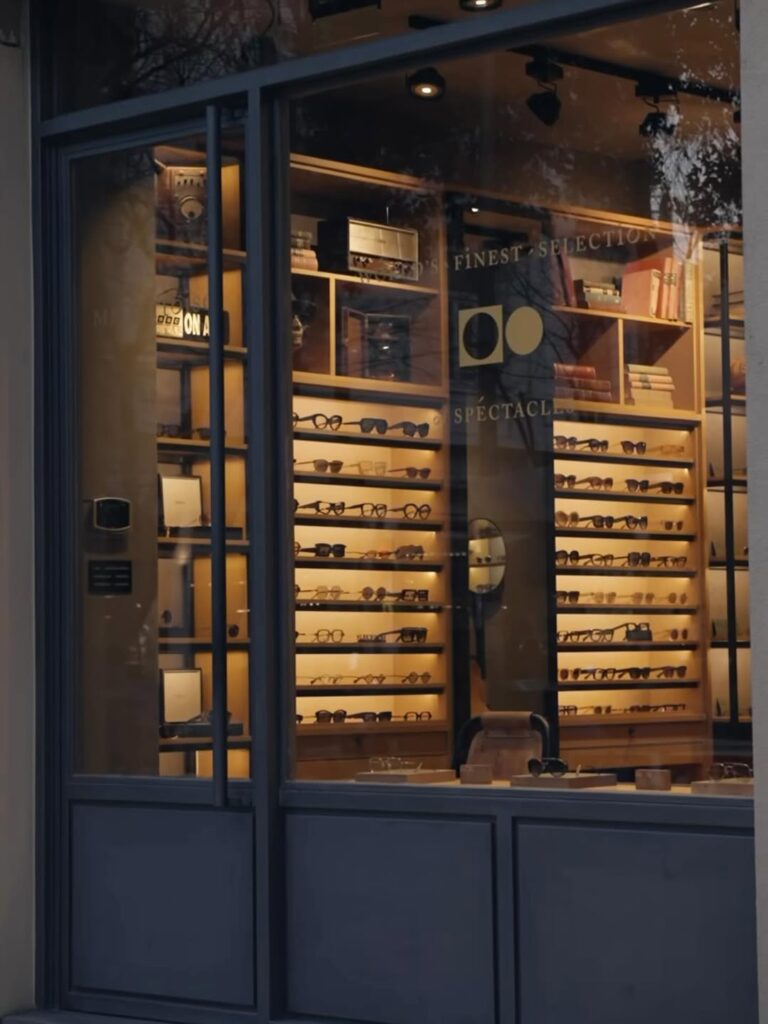
The future optical store functions closer to a gallery or concept space than a traditional shop. Every element from furniture to lighting to brand selection must express intent.
This is where creative leadership becomes essential.
A creative director:
- Builds long-term brand equity
- Creates differentiation impossible to copy at scale
- Aligns independent eyewear brands into a coherent ecosystem
- Transforms retail from transactional to emotional
Consultants optimize what already exists. Creative directors invent what does not yet exist.
The Strategic Mistake UK Retailers Are Making
By entering consulting alliances, many UK optical stores are unknowingly preparing themselves for acquisition. Standardization increases valuation, but it also removes the very uniqueness that justifies survival in a post-conglomerate world.
Once sold, these stores will face the same fate seen in other retail sectors:
- Loss of autonomy
- Brand dilution
- Eventual closure or conversion into generic retail units
This is not protection. It is a delayed exit.
What Comes Next
The eyewear market will change drastically. Stores that continue to chase conglomerate incentives will lose. Those who invest in independent brands, meaningful relationships, and cultural positioning will survive and lead.
A separate and necessary conversation remains unanswered in our industry:
What does “independent brand” actually mean?
Too many professionals still do not understand this distinction. That conversation will define who remains standing five years from now. The transformation must begin now.


 English
  French
  Italian
  Spanish
  Portuguese
  German
  Korean
  Japanese
[…] of Optical Retail: Why Independent Clinics Face Extinction Maya M.onJanuary 22, 2026 Industry GuidesWhy More Than 60% of Optical Stores Risk Bankruptcy in the Next 24 Months Maya M.onJanuary 18, 2026 Industry GuidesQuiet Luxury: The Trend That Will Dictate the Next Decade […]
[…] few weeks ago, we explained in this article why nearly 60% of optical clinics selling low-cost or mid-market brands are at risk of bankruptcy and this week’s acquisition by Ace & Tate confirms that prediction. The future for independent […]