


In today’s eyewear market, representation is no longer just about selling collections. It is about storytelling, consistency, presence, and cultural alignment. As brands compete for relevance in an increasingly selective premium landscape, the role of the agent is undergoing a fundamental transformation.
According to eyewear ambassador Juul Van Bouwelen, brands today need a new generation of representatives agents who look like the brands they represent, wear the products authentically, and communicate through a contemporary visual and aesthetic language. “I try to view the agency more broadly than just sales,” he explains. “Today, it’s important for a local agency to also build brand awareness so it reaches the end consumer.”
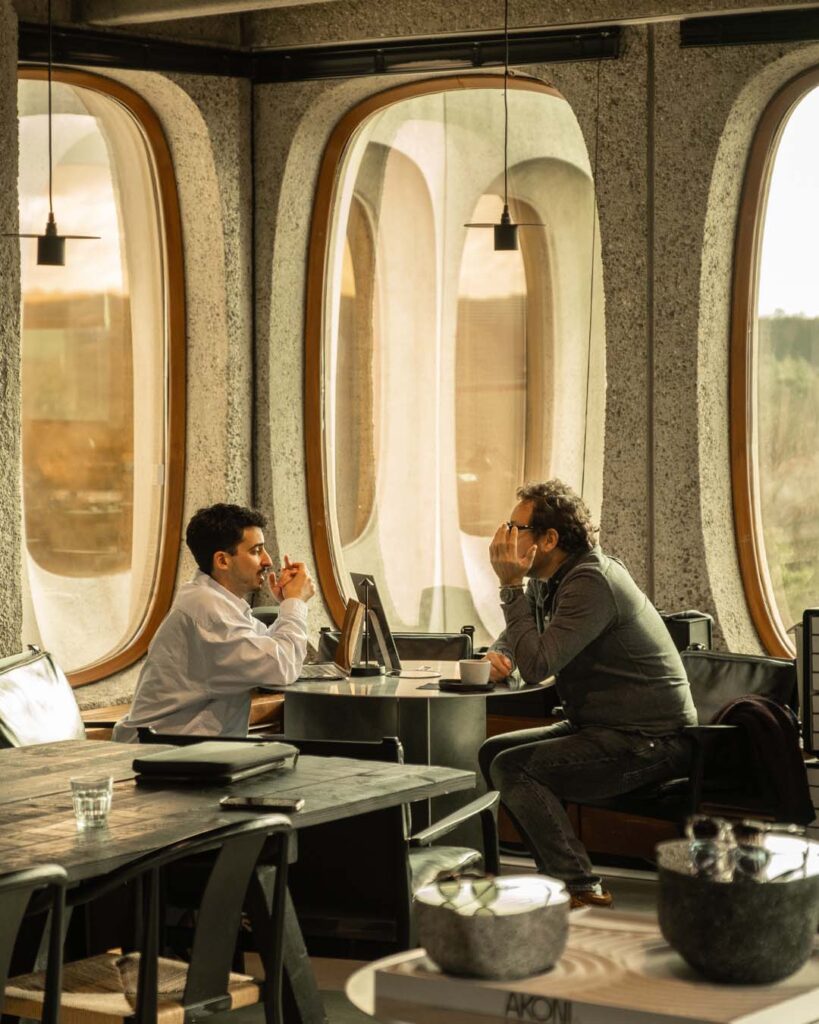
From Sales Reps to Brand Guardians
Traditionally, many brands relied on agents who focused primarily on order-taking: placing collections in stores, delivering products, and moving on. That model is no longer sufficient. Modern brands need their agents to ensure that they are represented correctly in-store, positioned in the right retail environments, and continuously monitored long after the initial delivery.
Van Bouwelen believes follow-up is critical. “With every start order, I emphasize that this is a long-term partnership,” he says. “I actively follow up with clients, support them, and never leave them on their own.” Monthly store visits, visual checks, and ongoing dialogue with opticians are now essential to maintaining brand integrity and performance.
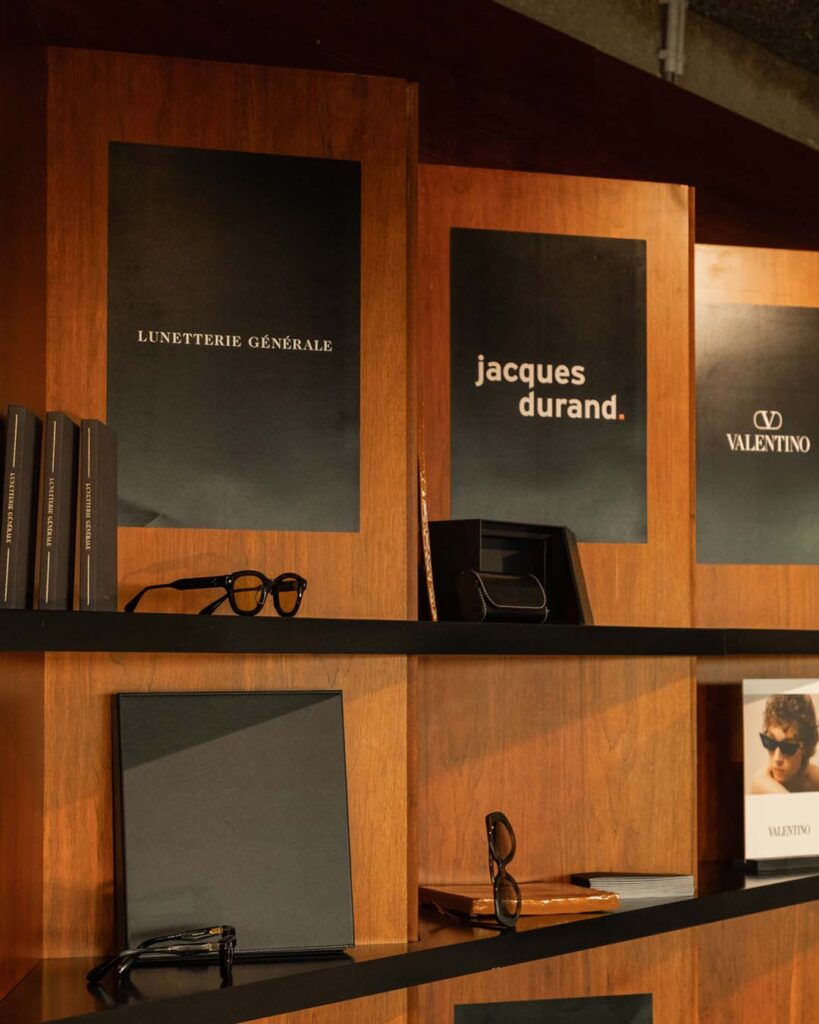
The Brand Must Lead the Narrative
Brands must understand that the ambassador represents their image in the territory, not the other way around. The brand defines the rhythm, the aesthetic, and the positioning; the representative’s role is to act as its ambassador in the market. In many cases today, this balance has shifted and brands that fail to reclaim control risk losing relevance or disappearing altogether.
At the same time, the traditional concept of the middleman has become less relevant in today’s economy. Digital tools and online experiences allow brands and retailers to connect more quickly and directly, which means that modern ambassadors must offer value beyond simply selling products. In the years ahead, there will be a fundamental shift in how eyewear is commercialized. Retailers will increasingly seek to connect directly with brands, reducing reliance on traditional intermediaries.
When the right local partner cannot be found, it is often better for a brand to wait or build direct, one-to-one relationships with selected stores rather than compromise its vision. At the same time, retailers must adapt to a new market dynamic becoming more flexible, moving beyond buying groups, and clearly differentiating themselves from other stores in their area.

Scale Built on Long-Term Relationships
Today, Juul Van Bouwelen represents the brands in his portfolio across approximately 150 optical stores, a scale built not through rapid expansion, but through consistency and long-term commitment. Rather than focusing on volume, his approach prioritizes stability, follow-up, and meaningful partnerships.
“At the moment, we have a client base of around 150 active customers that we have been working with for several years,” he explains. This continuity allows brands to grow organically within the right environments, ensuring they are properly positioned, supported, and understood at store level.

The Importance of Aesthetic and Experience
Beyond logistics, eyewear brands must rethink how they connect with optical professionals. Van Bouwelen points to the growing importance of curated experiences: events hosted in beautiful locations, where opticians are invited not just to see products, but to feel the brand’s world.
The language used in the industry also needs to evolve. “The time when a store had to have something for everyone and every budget is over,” he notes. “The key is making choices.” This applies not only to retailers, but also to how brands communicate moving away from outdated sales-driven language toward a more refined, emotionally resonant approach.

A Shifting Market, Not a Shrinking One
Despite concerns about consolidation and large corporate groups acquiring independent stores, Van Bouwelen remains optimistic. “I definitely don’t think the market is shrinking, but it is shifting in a particular direction,” he says. While large groups aim to reach a wide audience, independent boutiques continue to thrive by offering clear vision, authenticity, and personal connection.
This shift benefits independent brands that understand who they are and where they belong. “Identity and originality don’t follow trends or time,” Van Bouwelen adds. “My advice to today’s designers is not to focus too much on what others are doing. What you do, you always do better.”
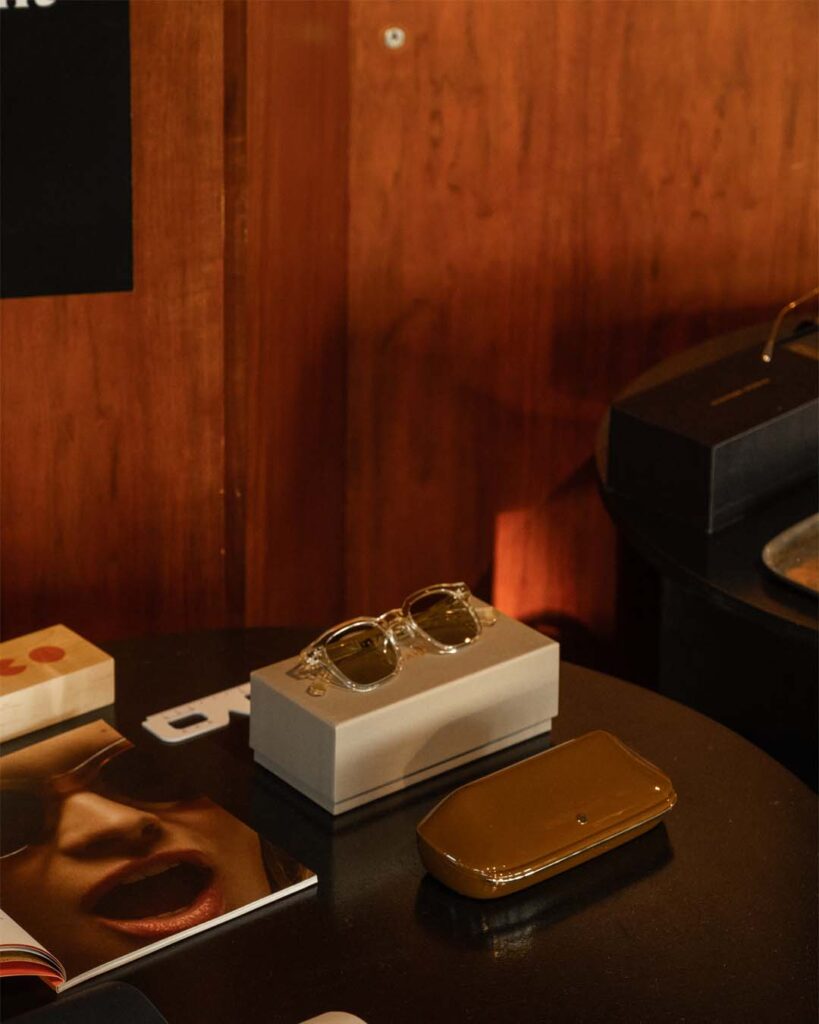
Selectivity Over Exclusivity
In the premium eyewear segment, exclusivity has long been seen as the ultimate goal. However, Van Bouwelen argues that selectivity is more relevant today. “We don’t give exclusivity; we choose the best clients in each region the ones who can translate the brand story most effectively to the end consumer.”
This approach requires agents to work closely and regionally, with fewer stores but deeper relationships. “I’m convinced agents need to work regionally in smaller areas to closely follow and guide clients and assist with marketing, which I feel is becoming increasingly important.”

The Modern Ambassadors Role
So what does it take to remain relevant as an agent today? For Van Bouwelen, it comes down to passion, presence, and continuous learning. “I just keep learning as I go,” he says. “If you work with passion, success will follow.”
He also emphasizes the importance of investing beyond traditional sales whether through media exposure, collaborations with influential local figures, or cultural initiatives that connect brands with real communities. “These are small examples,” he explains, “but I believe such initiatives are increasingly important for staying relevant. Ultimately, it all translates into sales.”
Looking Ahead
As eyewear brands navigate a more selective, experience-driven market, the agent is no longer a middleman but a brand guardian. One who ensures the product reaches the right stores, is presented correctly, and continues to perform over time. In this new landscape, consistency, aesthetics, and authenticity are not optional they are the foundation of long-term growth.
As digital access makes it easier than ever for brands to reach stores directly, the traditional role of the middleman is changing. If brands fail to find true storytellers in each territory rather than simple sales agents they will increasingly connect directly with retailers. Buying groups and outdated narratives are losing influence in a market with more players able to present their vision and products straight to opticians. A new generation of opticians is less risk-averse, more curious, and open to direct relationships with brands. As a result, brands no longer need only sales representatives, but local narrators of image and identity who can amplify their presence in the market.



 English
  French
  Italian
  Spanish
  Portuguese
  German
  Korean
  Japanese