


In the last year, the eyewear industry has begun to mirror the dynamics of luxury fashion: less about purely functional products, and increasingly about storytelling, community, and cultural capital. A new wave of founders and creatives has recognized this shift early, building independent brands with strong identities — such as Jacques Marie Mage, Akoni, Ahlem, Paloceras and The Other Glasses — rooted in exclusivity, craftsmanship, and close relationships with independent opticians. Notably, many of these brands are not emerging in isolation, but are financed, shaped, or directly created by figures coming from the fashion industry, bringing with them a deep understanding of branding, scarcity, and cultural positioning.
But as margins grow and cultural relevance increases, conglomerates are no longer standing still.

Oakley Enters the Fashion Arena
Oakley, part of EssilorLuxottica, recently announced a new strategic chapter: “The Vision Expands.” At the center of this move is the appointment of Matthew M. Williams as Creative Director of Apparel, Footwear, and Accessories.
Williams is no outsider to luxury fashion. As the founder of 1017 ALYX 9SM and former Creative Director of Givenchy, with earlier collaborations alongside Kanye West and Lady Gaga, his appointment signals a clear repositioning. Oakley is no longer content being a performance-driven brand it is stepping into the cultural space of fashion.
Notably, early campaign teasers featuring Travis Scott suggest a familiar playbook: one borrowed directly from the sneaker industry, where hype is carefully engineered before product hits the market.
Will the major conglomerates be able to buy the “sauce” and earn the respect of subcultures? Or will their efforts ultimately resonate only with a broader, less discerning mass audience?
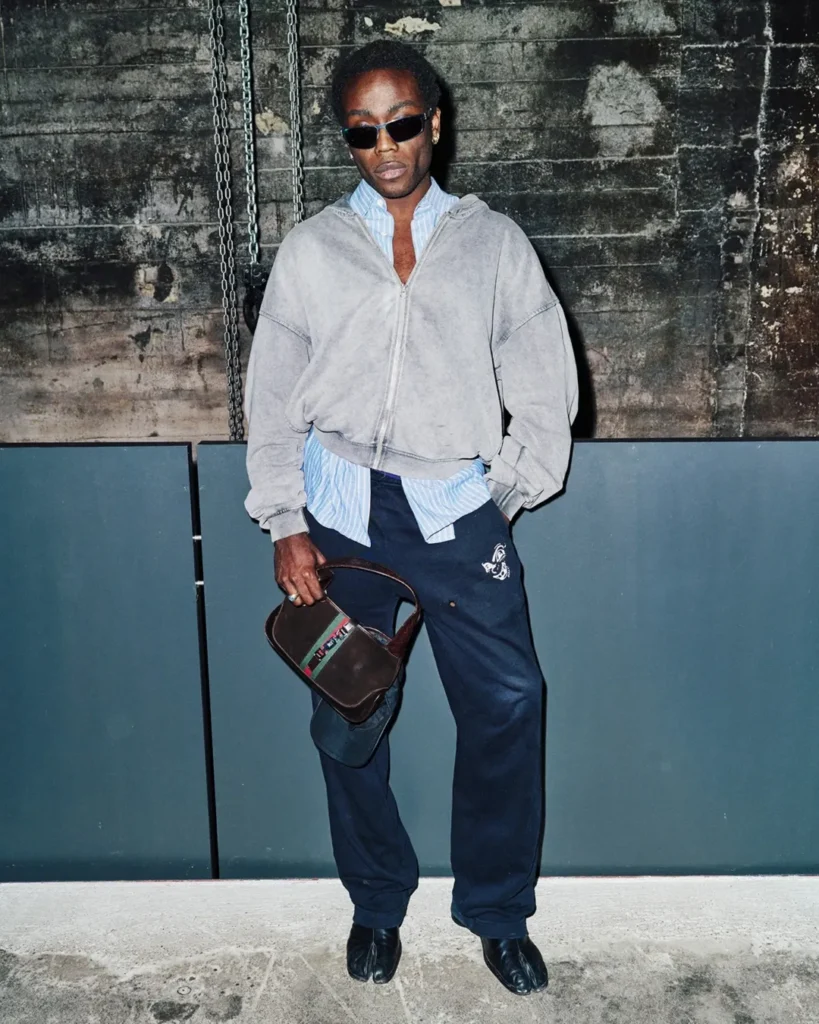
Distribution Power vs. Cultural Authenticity
The divergence in strategy is becoming increasingly clear.
Conglomerates are leveraging:
- vertically integrated distribution networks,
- high-profile designer appointments,
- celebrity-driven cultural amplification.
Independent brands, by contrast, are building value through:
- limited production,
- strong narrative identity,
- direct partnerships with independent opticians.
This tension is redefining the industry. While conglomerates dominate scale and visibility, independents offer something far more difficult to replicate: perceived authenticity.

The Illusion of Independence
A notable development is how conglomerates are actively acquiring independent brands to simulate this authenticity:
- ic! berlin (owned by Marcolin)
- Lindberg (owned by Kering)
- Barton Perreira (part of Thélios)
- Alain Mikli (under EssilorLuxottica)
These brands effectively act as “independent proxies,” giving opticians the impression of alternative choice while remaining embedded within corporate structures.
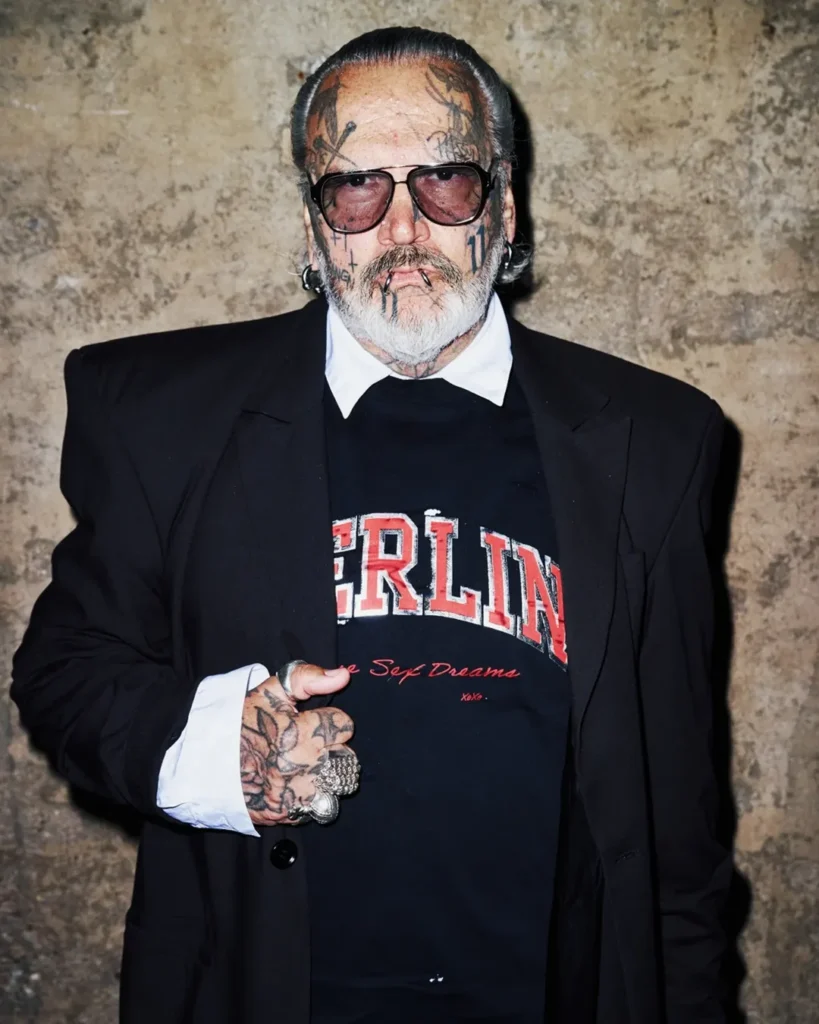
Even industry events reflect this cultural shift. At the 30-year anniversary of ic! berlin, the format resembled a fashion event, curated tables, selected guests, aligned media rather than a traditional optical gathering.
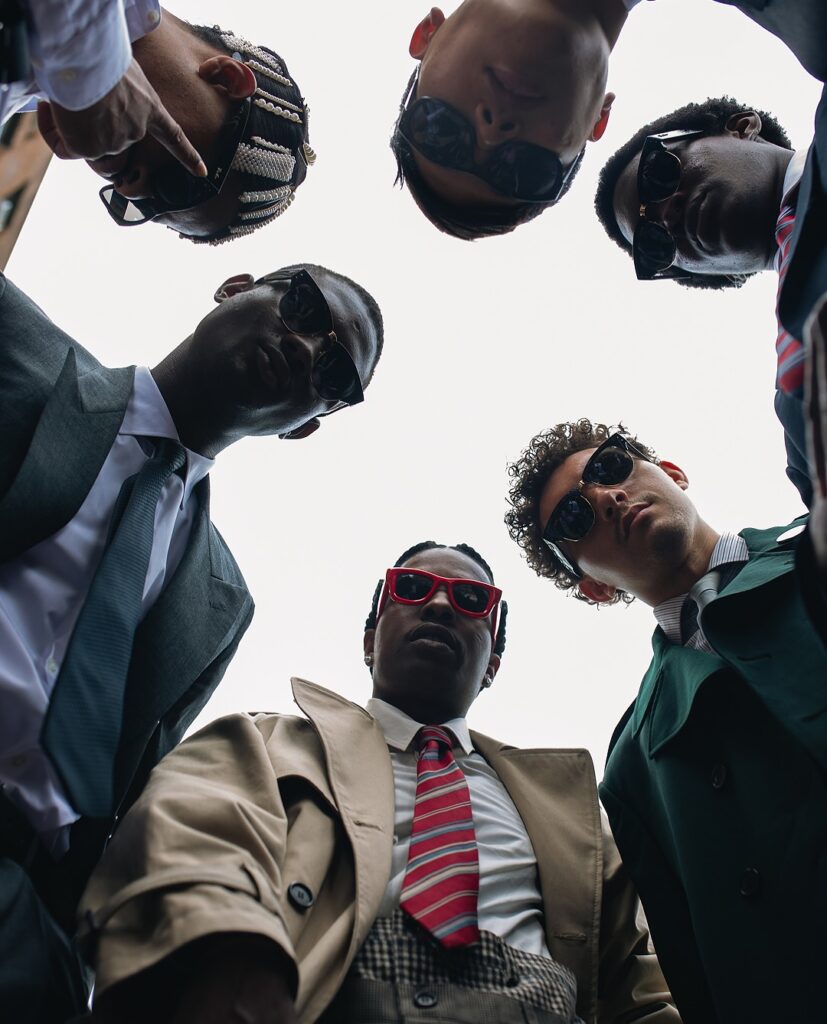
Opticians as Gatekeepers
In this evolving landscape, independent opticians are no longer just retailers, they are curators and strategic decision-makers.
Their choices now carry broader implications:
- support independent ecosystems built on craftsmanship and identity,
- or align with consolidated portfolios backed by global infrastructure and capital.
Opticians need to understand that an independent brand will not dilute its value; on the contrary, it can offer territorial exclusivity and, in some cases, elevate the store itself into a brand in its own right.
Who Wins?
This is no longer just a commercial competition it is a battle for cultural control.
Conglomerates bring:
- capital,
- distribution,
- access to talent and celebrity.
Independents bring:
- agility,
- authenticity,
- and proximity to community.
The likely outcome is not a single winner, but a polarized market. Yet one thing is certain: eyewear is no longer a peripheral category in fashion it is becoming a central arena.
And this time, opticians are not just participants. They are power brokers. For this reason, independent players must stand together, supporting and reinforcing one another within an increasingly consolidated market.


 English
  French
  Italian
  Spanish
  Portuguese
  German
  Korean
  Japanese