

The optical industry today is dying. This is visible everywhere in struggling stores, in the desperation of people within the industry, and in nearly empty trade shows where the same familiar faces appear year after year.
If one wants to understand what truly shapes eyewear today, the answer may lie elsewhere, among the individuals who quietly define how glasses integrate into everyday culture.
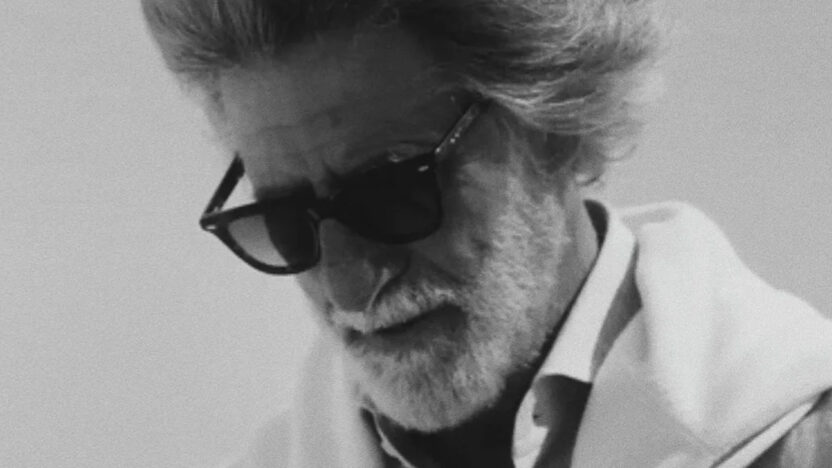
Great eyewear disappears into the character of the person wearing it yet much of today’s optical industry sells frames like circus props, then wonders why shelves are filled with dead stock.
These are the people who are not present at trade fairs or industry panels but who ultimately shape demand through lived experience. They are, in many ways, the true “shapers of the industry.” They do this without knowing it.

In the years following the 2020 pandemic, the optical retail landscape has entered what may be its most fragile period in decades. Many independent optical stores once the cultural intermediaries between design and the everyday wearer now appear increasingly detached from the reality of how glasses are actually worn in the world.
The disconnect is visible everywhere. Attend industry events, trade fairs, or cultural gatherings centered around eyewear and you will notice a familiar pattern: the same people, the same conversations, the same aesthetic codes circulating within a closed ecosystem. Much like certain circles in the contemporary art world, eyewear culture has gradually turned inward, speaking mostly to itself rather than to the people who actually wear glasses every day.
Yet outside this bubble exists a completely different reality.

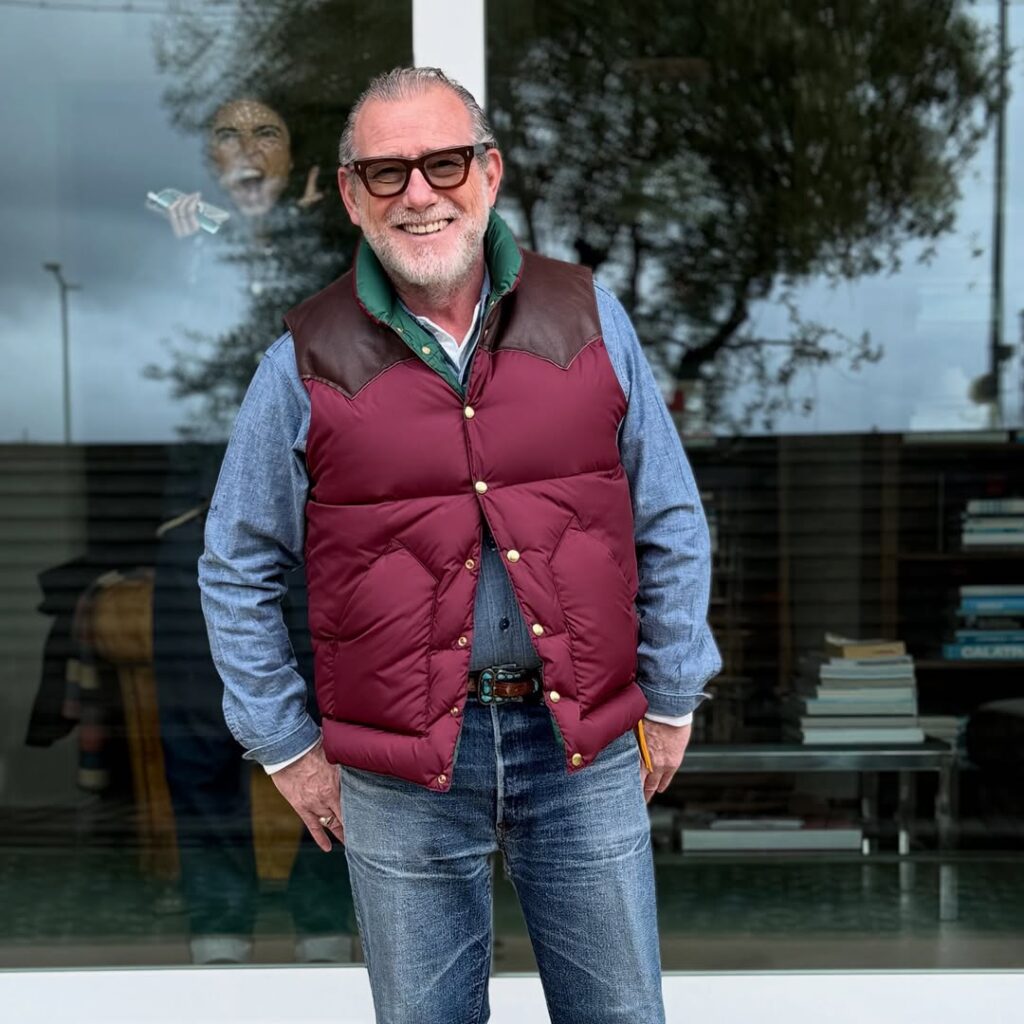
Real people across professions, social backgrounds, and generations wear glasses in ways that rarely resemble what the industry celebrates. Their choices are quieter, more intuitive, less performative. They choose frames that integrate naturally into their identity rather than those designed primarily to signal taste within a niche creative community.
This gap has only widened with the emergence of new independent brands launched by younger founders over the past three four years. While many of these brands bring a welcome sense of energy and design experimentation, they often replicate the same strategic formula that has defined the premium independent segment for years: extreme exclusivity, one store per city distribution, and positioning modeled after brands such as Jacques Marie Mage.

The result is paradoxical. While these brands claim cultural relevance, they frequently build their strategy around a highly limited final customer one that represents only a small fragment of the actual eyewear market.
Meanwhile, the broader industry faces a less glamorous reality: dead stock accumulating in optical stores worldwide. Retailers increasingly struggle with unsold inventory while simultaneously searching for “the next thing” at trade fairs or through agents. The belief that novelty will emerge from within the same closed network has created a feedback loop where the industry continues to produce for itself rather than for the market.

For years, one brand in particular has exerted an outsized influence on the aesthetic direction of the independent segment. Its success shaped how many new brands think about scarcity, storytelling, and pricing. Yet the broader population of eyewear users rarely engages with this universe. The core customer base for these ultra-exclusive frames is aging, while everyday consumers remain largely indifferent.
This creates another contradiction visible at retail level. Many optical stores are searching aggressively for bold, colorful frames in an attempt to differentiate themselves. But step outside and observe how people actually wear glasses in the street: exclusivity rarely comes from color alone. It emerges from subtle proportions, construction details, comfort, and the intangible feeling a frame carries when worn daily.
Somewhere along the way, the industry began confusing spectacle with relevance.
The growing success of brands such as Lindberg or Tom Ford illustrates the consequences of this shift. These companies have managed to expand their market presence not by shocking the consumer but by staying closely aligned with real-world needs: comfort, understated design, reliability, and accessibility through optical networks.
While the independent segment often prioritizes cultural signaling, these brands quietly capture market share by understanding the everyday wearer.

What emerges is an industry increasingly divided between two realities. On one side stands a closed ecosystem visible at trade shows, events, and editorial spaces where brands, agents, and retailers circulate within the same conversations. On the other side stands the actual market, where millions of people choose eyewear based on function, identity, and daily life rather than industry narratives.
The risk facing the optical world today is clear. If the gap between industry culture and real usage continues to grow, independent players may find themselves increasingly vulnerable. A market disconnected from its users eventually becomes dominated by those capable of reading them more accurately.
And in eyewear, that may ultimately mean the growing dominance of large global groups not because of scale alone, but because they remain closer to the everyday consumer than an industry that has spent too long speaking primarily to itself.


 English
  French
  Italian
  Spanish
  Portuguese
  German
  Korean
  Japanese