

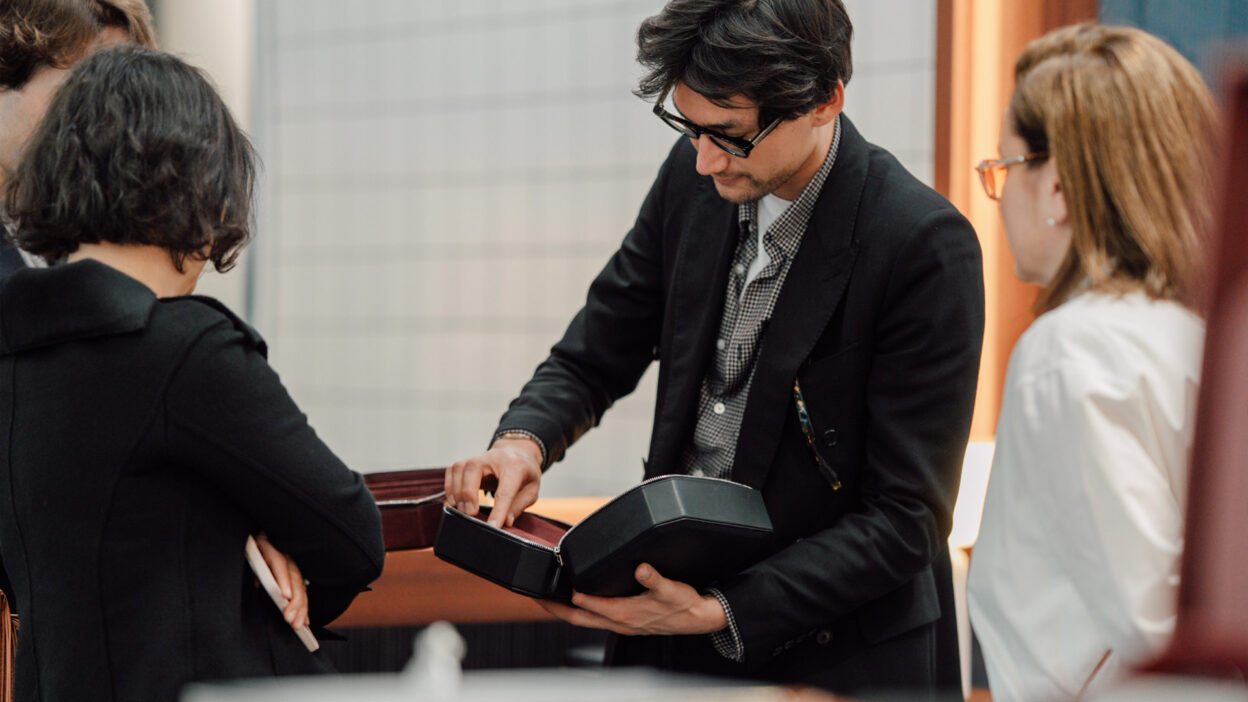
A Market That Shouldn’t Exist — Yet Does
In a European capital of nearly three million people, with purchasing power increasingly aligned with cities like Warsaw or Prague, the independent eyewear scene should be thriving.
Instead, it barely exists.
When we first began mapping Romania’s optical retail landscape seven months ago, asking our local software developers where to find a progressive, independent eyewear store, the answer was unanimous and unexpected: there was only one. The Romanian market is one of the largest software outsourcing development hub in the world, and our team is still actively involved here.
Not a district. Not a network. One store.
That store is sunglasscurator.
Jacques Marie Mage Arrives—Again
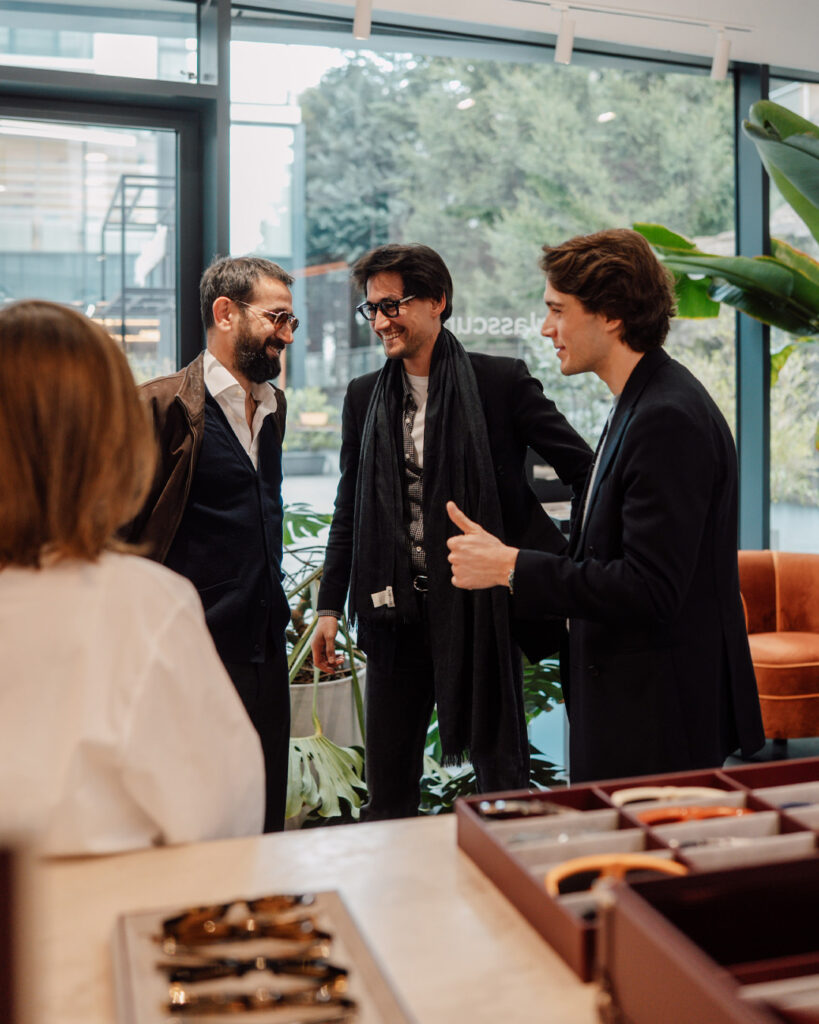
On March 18th, Bucharest hosted something rare for the region: a high-touch brand event built around Jacques Marie Mage the second collaboration between the Los Angeles-based label and sunglasscurator, following an earlier edition in March 2025.
But the significance of the event extends far beyond its guest list.
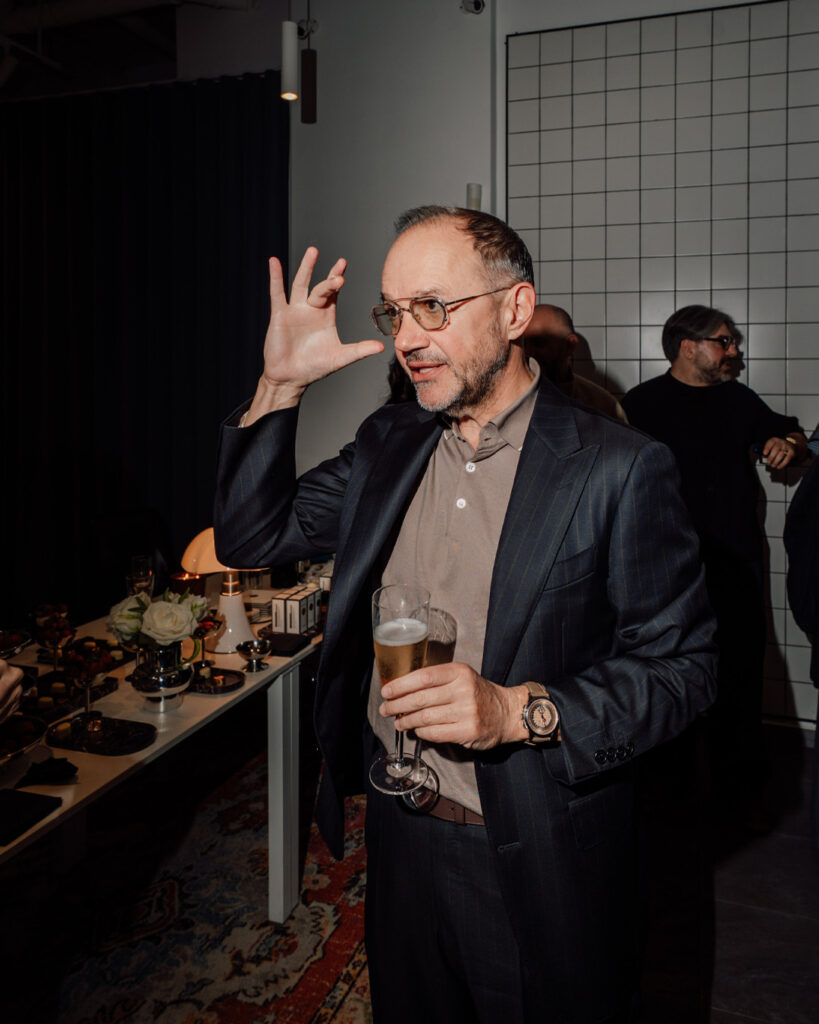
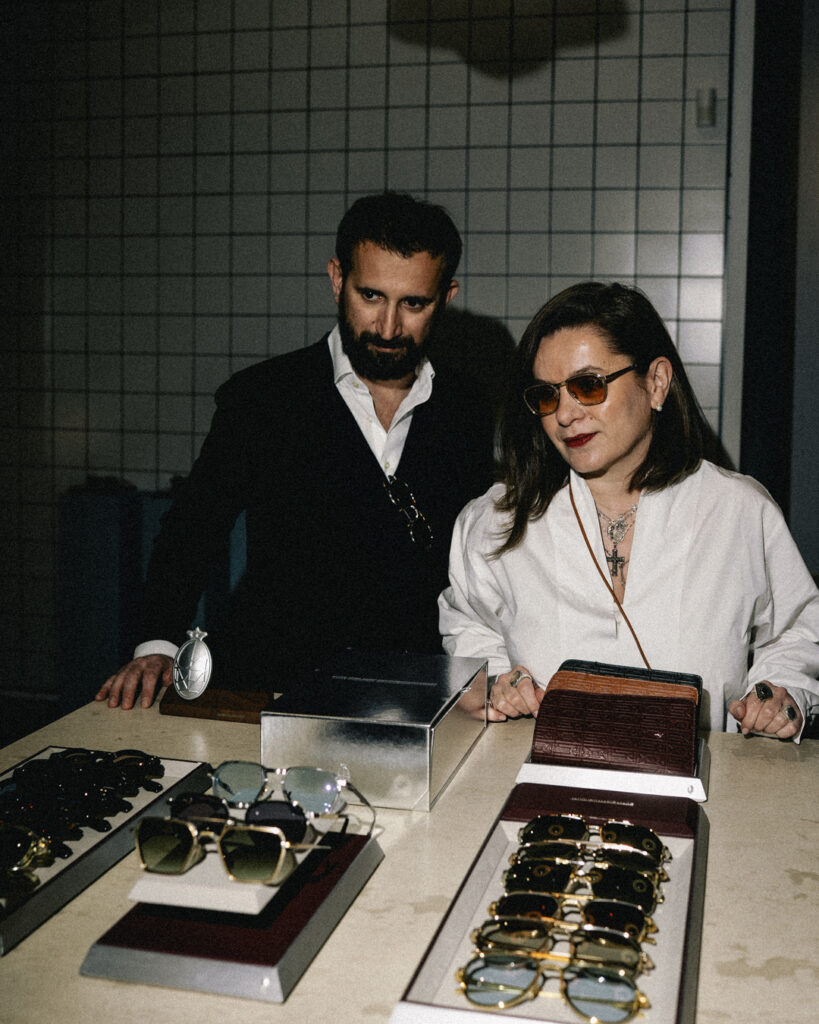
Roxana, founder of sunglasscurator and one of the earliest adopters of the brand globally, first introduced Jacques Marie Mage to Romania, long before it became a cult name among collectors.
“Having been an early adopter of the brand… sunglasscurator has grown to become the exclusive destination of Jacques Marie Mage in Romania.”
That exclusivity carries weight not just commercially, but culturally.
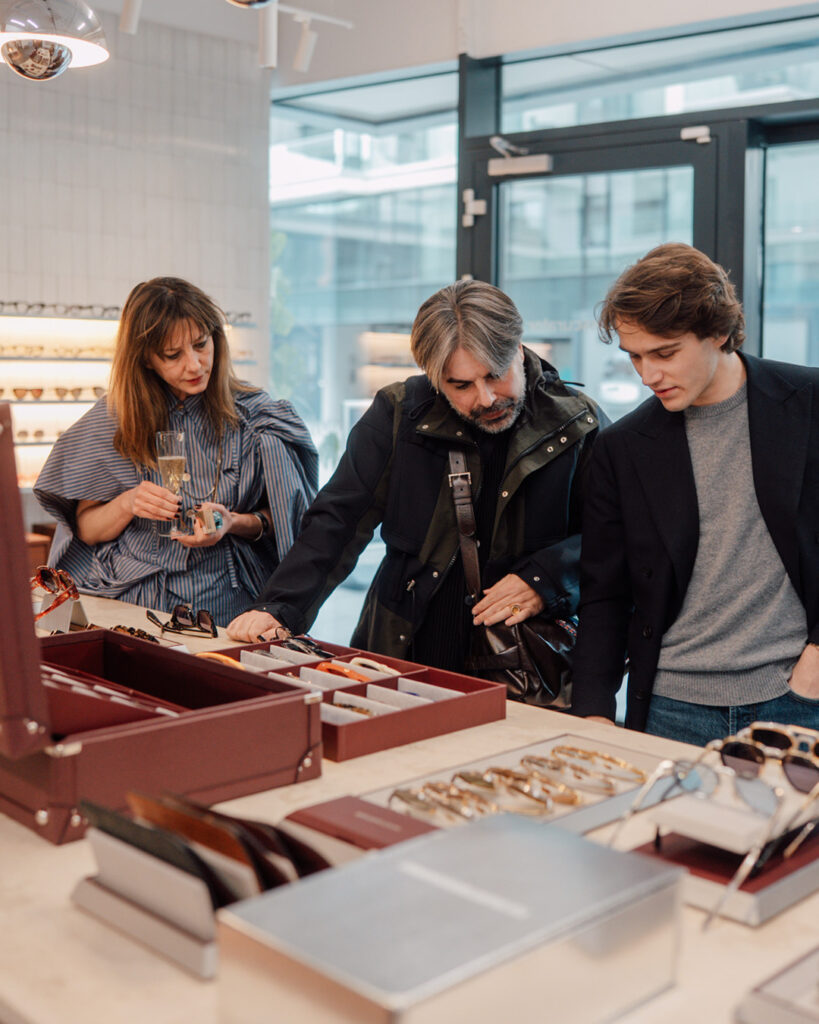
Beyond Sales: Building a Cultural Interface
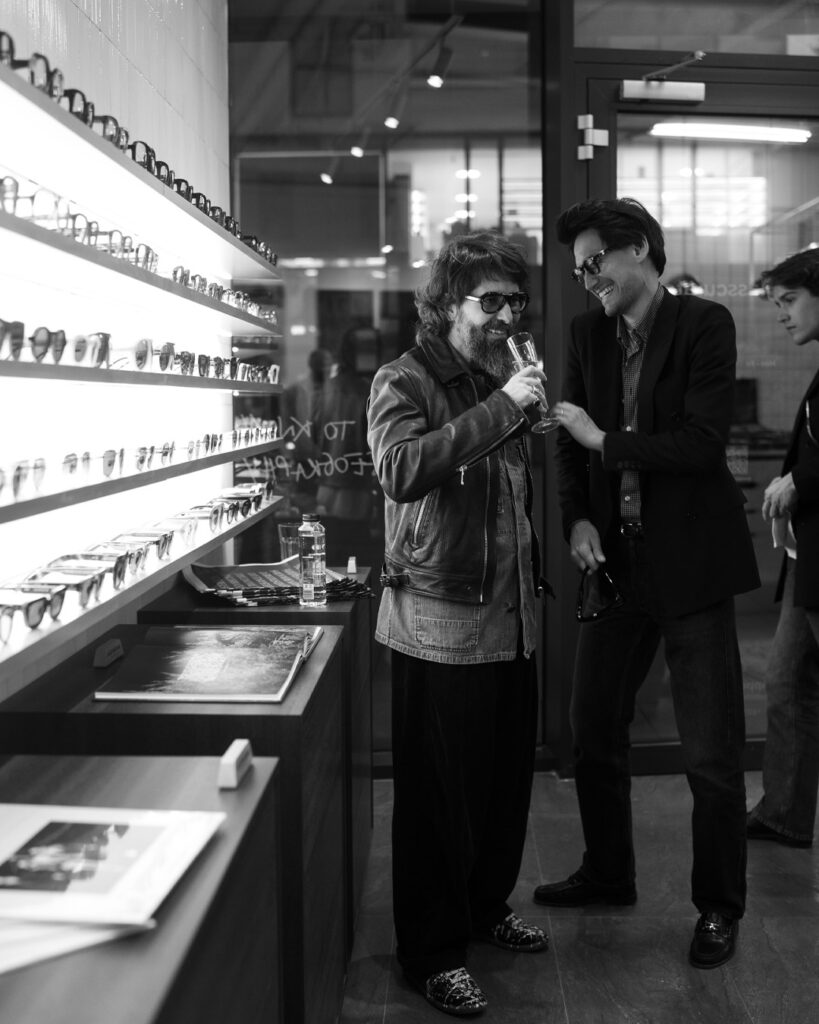
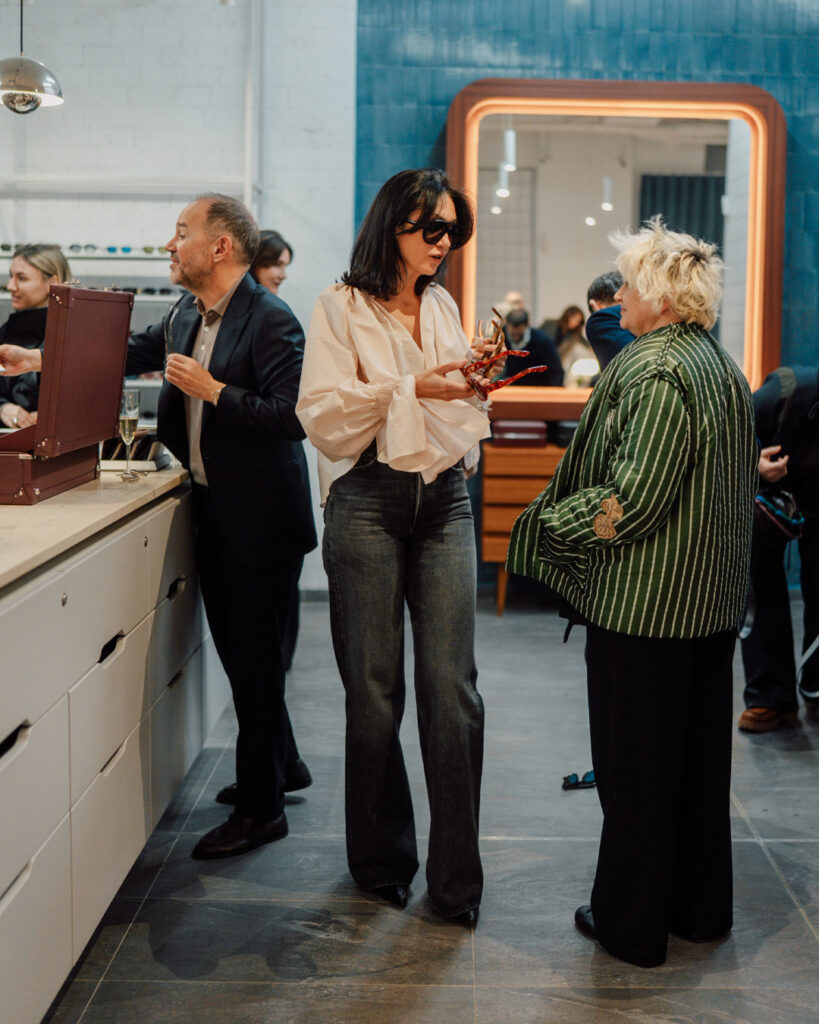
Unlike traditional retail activations, the Bucharest event was not designed as a transactional peak. Instead, it functioned as a bridge connecting customers directly with the people behind the brand.
Representatives from Jacques Marie Mage attended in person, engaging in conversations with clients inside what Roxana describes as a “curated gallery of eyewear.”

“Co-hosting the event together with JMM and engaging our customers in direct conversations with the brand representatives is essential to bridging authentic connections.”
This emphasis on dialogue over distribution reflects a broader philosophy one that positions retail not as a point of sale, but as a cultural interface.
“More than ever I believe in direct human connection… we want to be a place for contagious creativity and appreciation of craftsmanship.“

The Triangle: Customer, Retailer, Brand
At the core of sunglasscurator’s model lies a deliberate rejection of short-termism.
“Although sales are obviously important, the motivation behind organizing such an event is mainly focused on our long-term relationship with the customers and the brand.“
Roxana describes a three-way dynamic customer, retailer, brand that must operate in balance:
“I believe this triangle customers retailer–brand works in true harmony as long as we look at it beyond sales figures and rather as a valuable exchange of experiences.“
In markets where independent eyewear is still emerging, this structure becomes essential. Without it, products remain objects. With it, they become narratives.
Operating in a Market That Doesn’t Exist—Yet
Eastern Europe remains heavily influenced by conglomerates such as Luxottica, Thélios, Safilo, and Marchon a dominance that has shaped both access and awareness.
Roxana is realistic about the pace of change:
“Eastern Europe is still dominated by eyewear conglomerates and I don’t see a rapid significant shift towards independent brands in the region very soon.“
Yet beneath that surface, something is moving.

“Independent eyewear is growing steadily… especially for labels that have evolved into cult brands, as is the case for Jacques Marie Mage.“
Events like the one in Bucharest are not symptoms of maturity, they are catalysts for it.

Infrastructure vs. Opportunity
In Western Europe, independent eyewear operates within dense ecosystems thousands of stores, specialized agents, competitive distribution networks.
In Eastern Europe, those systems are largely absent.
There are no territorial battles between agents. In many cases, there are no agents at all only regional representatives overseeing entire markets.

This absence creates friction but also freedom.
A single retailer can define the category.
A single event can shape perception.
And a single brand activation like Jacques Marie Mage in Bucharest can signal a shift in how global players view the region.

The Luxury Signal
The timing is not incidental.
As Hermès and Cartier prepare to expand or establish presence in Bucharest, the city is positioning itself as a serious luxury destination within Eastern Europe.
Eyewear often a gateway category into luxury consumption is following closely behind.
The presence of Jacques Marie Mage’s European representatives at the event reinforces a growing reality: these markets are no longer peripheral they are strategic.
A Glimpse of What Comes Next
For now, Romania’s independent eyewear landscape remains defined by a single address.
But within that constraint lies a preview of what’s to come.
A market where education is still in its early stages.
Where demand is forming faster than infrastructure.
Where cultural retail can still shape consumer behavior from the ground up.
And where one boutique, in one city, is already operating several steps ahead.
Sunglasscurator is not scaling a model it is creating one.
And with Jacques Marie Mage now firmly part of its narrative, Bucharest is no longer just an outlier.
It is an early signal of Eastern Europe’s next luxury frontier.


 English
  French
  Italian
  Spanish
  Portuguese
  German
  Korean
  Japanese