

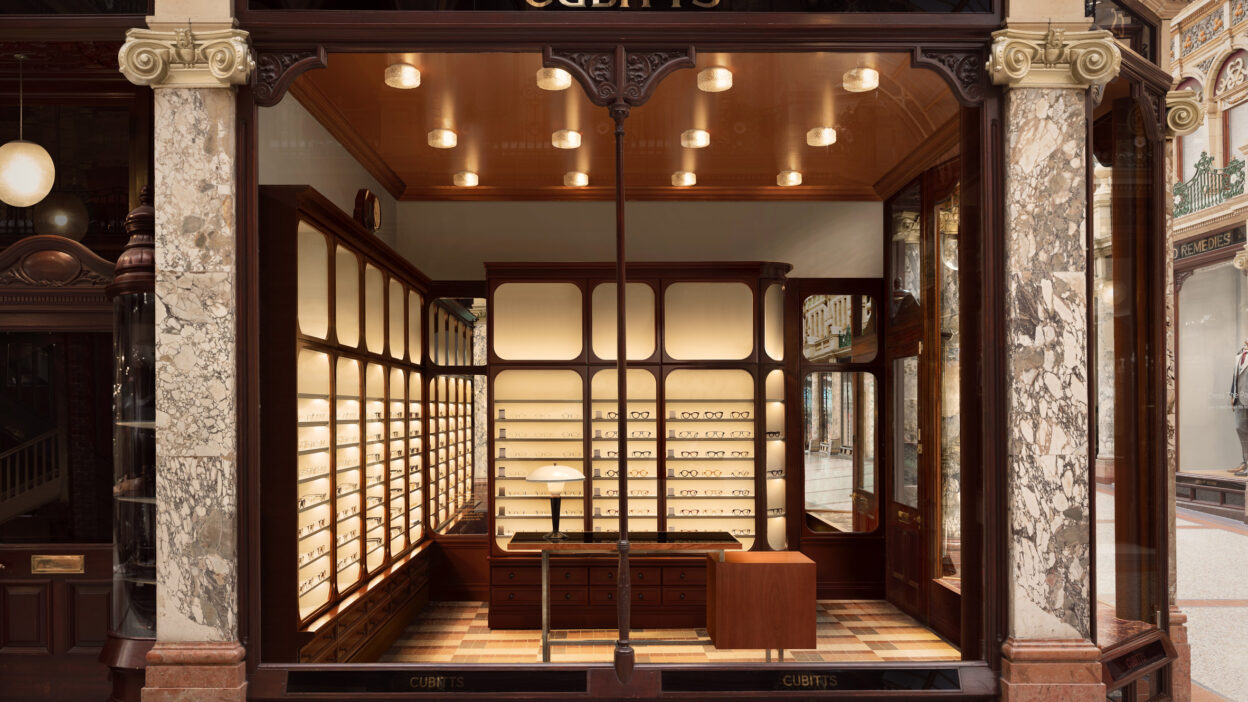
The optical industry is changing faster than most independent stores are willing to admit. While many opticians continue to operate under the traditional “clinical retail” model, new brands have proven that eyewear is no longer just a medical necessity it is a lifestyle product, a fashion statement, and most importantly, an experience.
One of the most powerful examples of this transformation is Cubitts, the British optical chain founded in 2013. In just over a decade, Cubitts has grown to more than 20 stores across the United Kingdom and has captured the market through an approach that many traditional opticians underestimated:
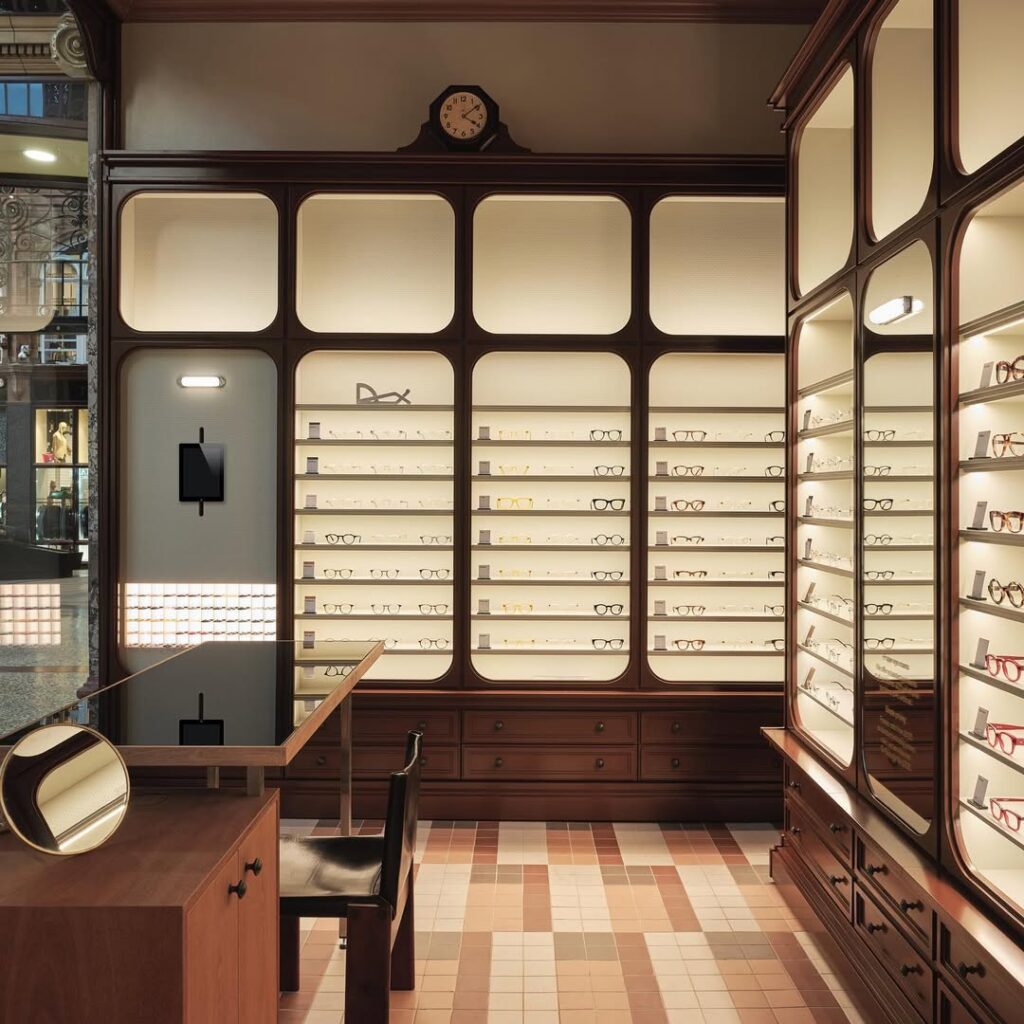
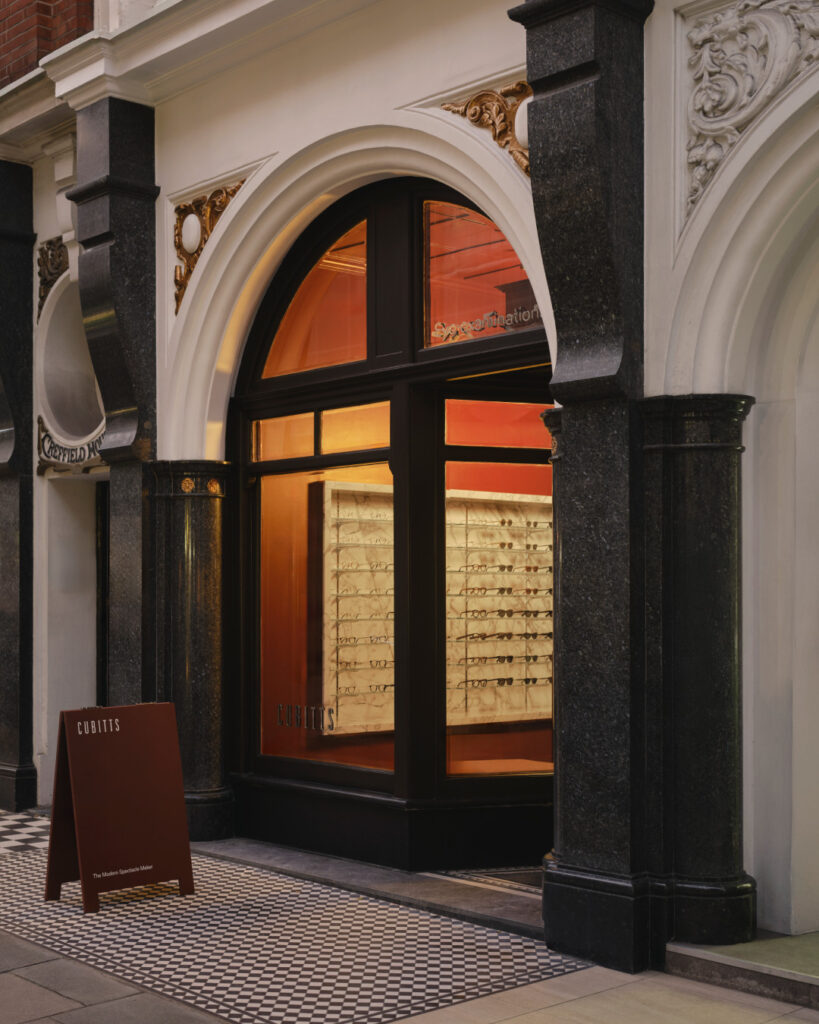
Cubitts sells relatively classic eyewear, often at prices under $200, but delivers it inside a luxury environment that feels closer to a boutique hotel than a clinic.
This is not just smart branding. It is a business model that is redefining consumer expectations and it represents an urgent lesson for independent optical retailers.
Cubitts Did Not Sell Glasses — They Sold Atmosphere
Cubitts understood something essential:
Consumers don’t buy products. They buy emotions.
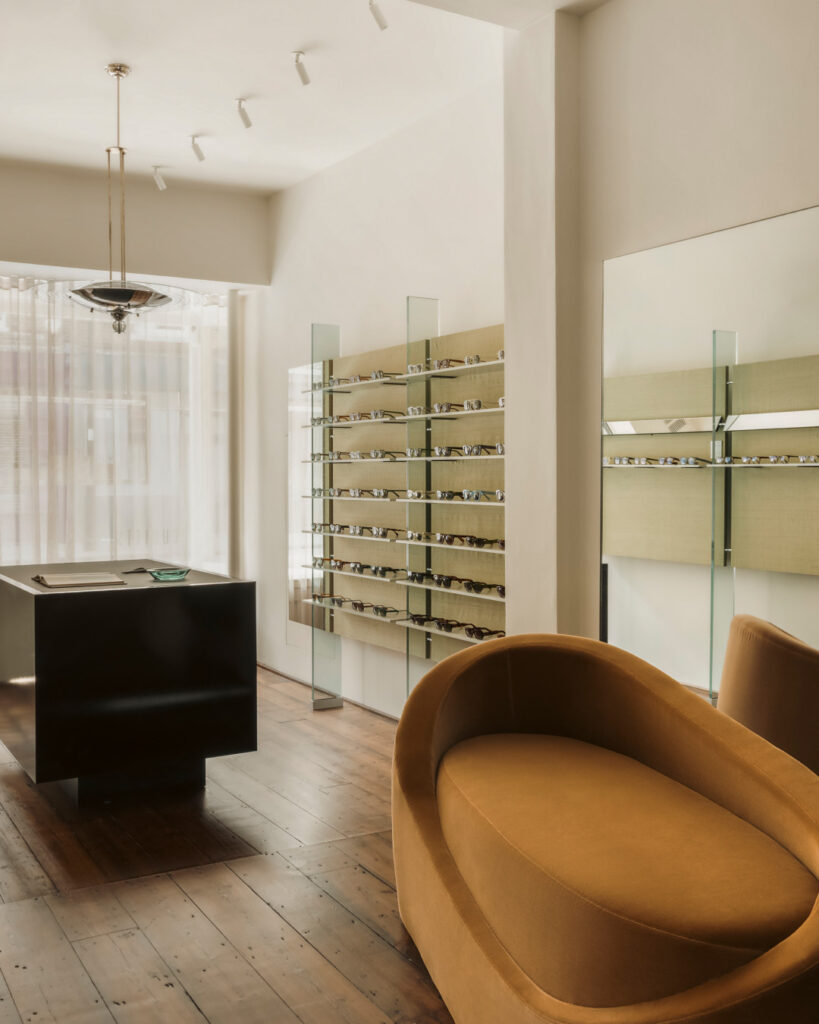
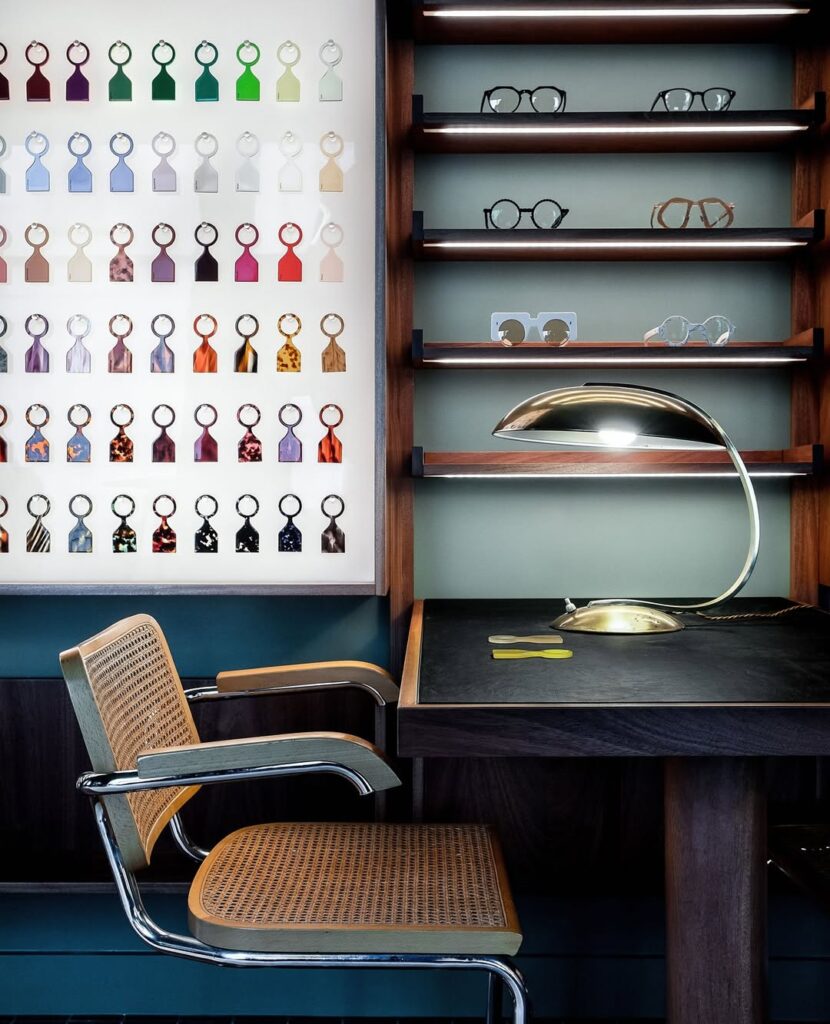
Their frames may be affordable, but the atmosphere is premium:
- Small, intimate spaces
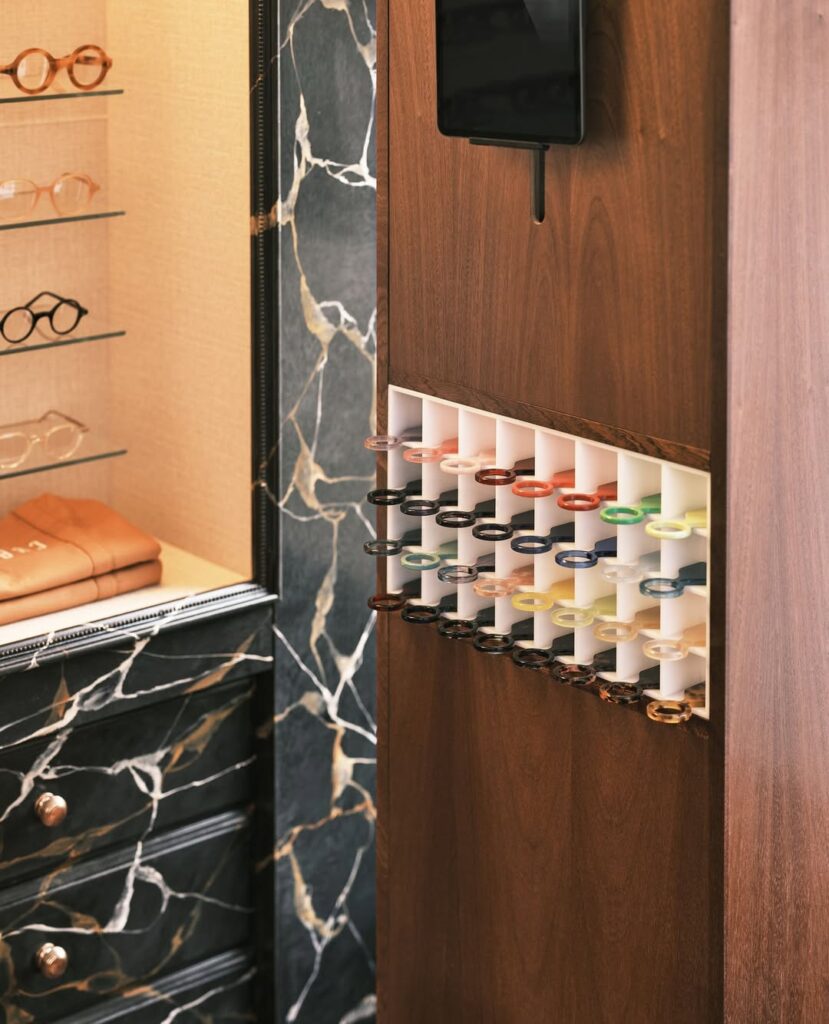
- Natural materials like wood and marble
- Warm lighting
- A boutique feeling instead of sterile white walls
The result is an environment where the customer feels they are entering a curated world, not a medical appointment.
Independent opticians must realize:
A clinical atmosphere is no longer attractive to younger generations. In 2026, people want retail to feel inspiring, not functional.
Luxury is Not About Price — It’s About Presentation
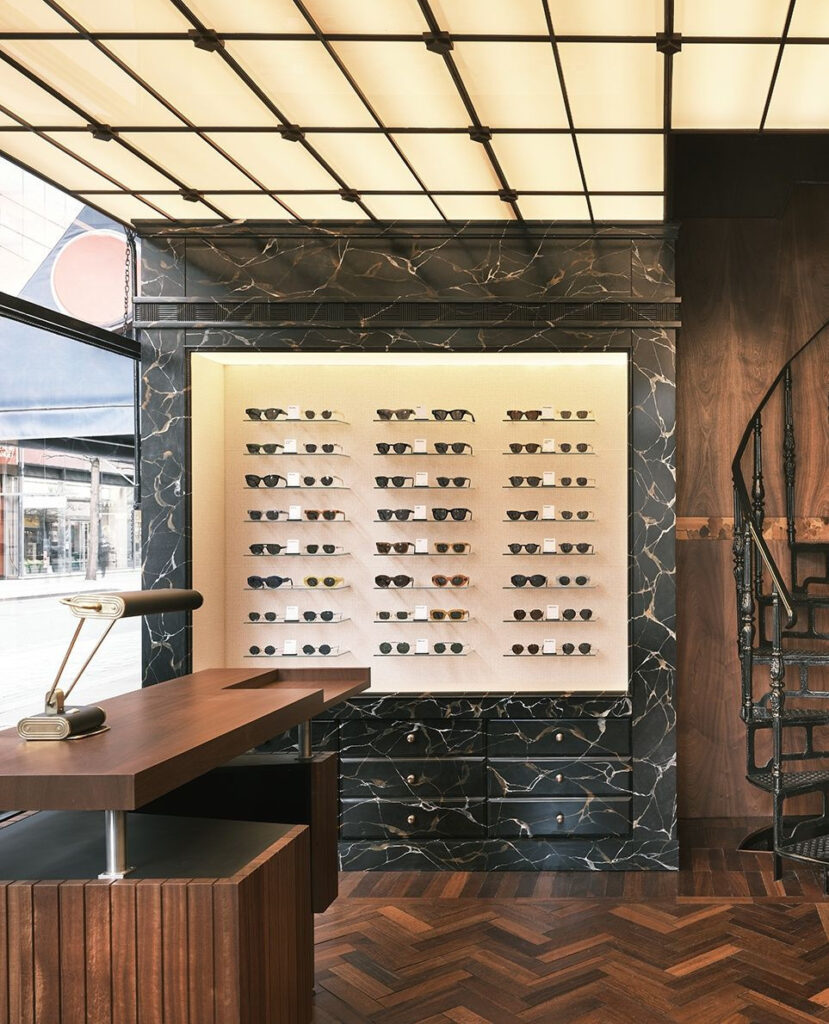
One of Cubitts’ greatest achievements is that they created a luxury perception without luxury pricing.
Their strategy is simple but powerful:
- Affordable product
- High-end experience
- Elevated brand storytelling
This is exactly why they win.
Many independent stores do the opposite:
- Expensive frames
- Outdated interiors
- No emotional connection
- No retail theatre
Cubitts proves that luxury is not about charging more — it is about making the customer feel more.
The Store Layout is a Weapon
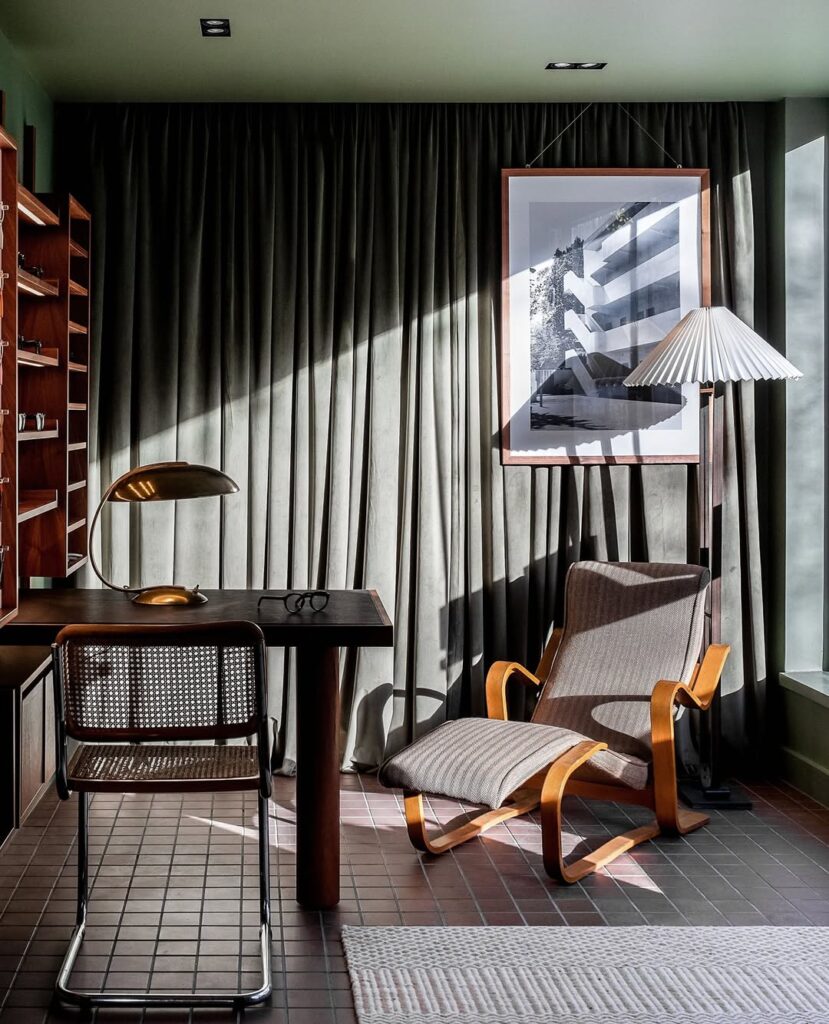
Cubitts stores are intentionally small, carefully designed, and highly structured.
One signature element is the central table concept, where the optician interacts with the client in a personal, almost ceremonial way.
This layout creates:
- Focus
- Trust
- Intimacy
- A sense of high-end consultation
It turns eyewear shopping into an experience, not a transaction.
Independent opticians should stop treating the store like a warehouse of frames and start treating it like a studio.
The Optician Becomes Part of the Brand
At Cubitts, staff presentation is not an afterthought.
Uniforms are elegant, minimal, and premium down to the smallest detail.
The optician is not simply a technician — they are a host.
This matters because today’s consumer is hyper-aware of aesthetics:
- Clothing
- Tone of voice
- Confidence
- Ritual
- Service quality
In traditional optical stores, the staff often looks purely clinical, reinforcing the idea that this is a medical chore.
Cubitts makes the optician feel like a luxury advisor.
Independent stores must invest in:
- Uniform design
- Staff training
- Hospitality-level service
- Brand-consistent behavior
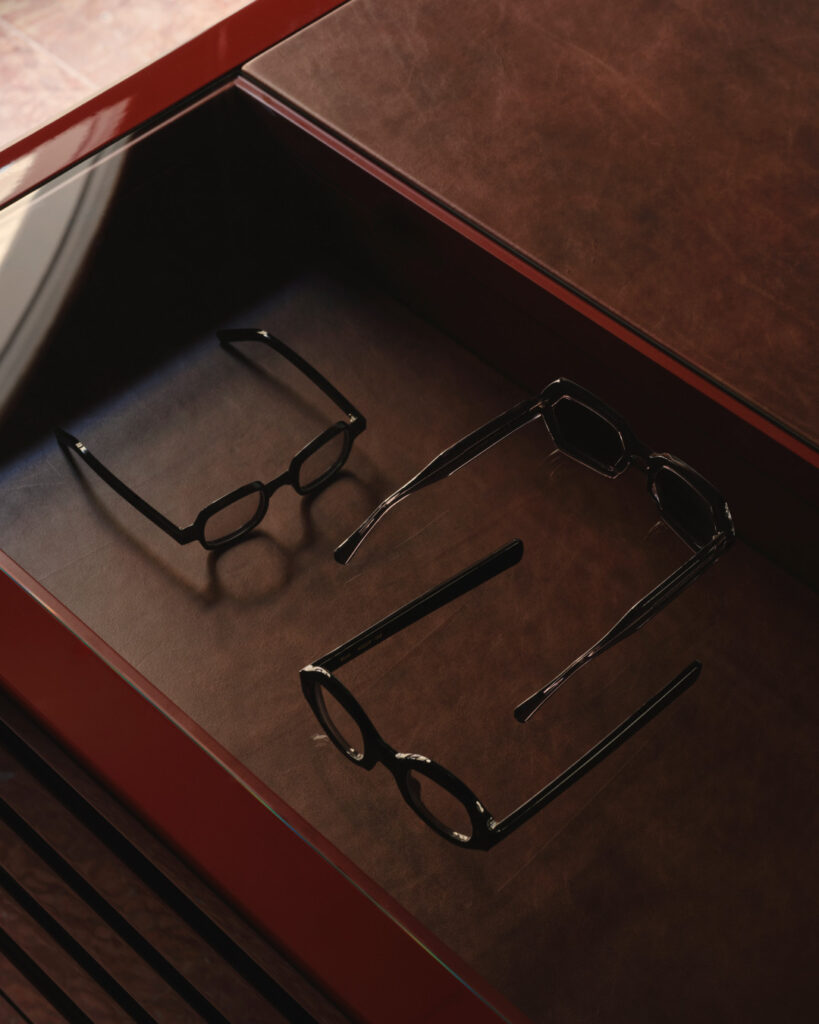
Visual Merchandising is the New Competitive Advantage
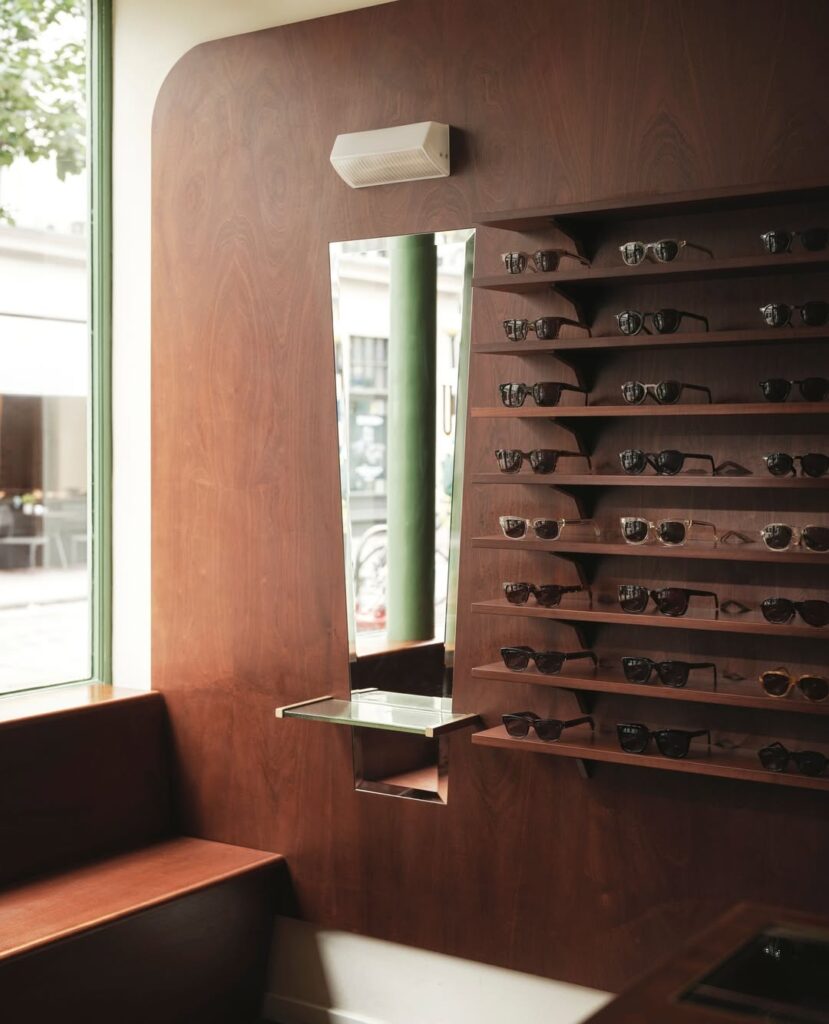
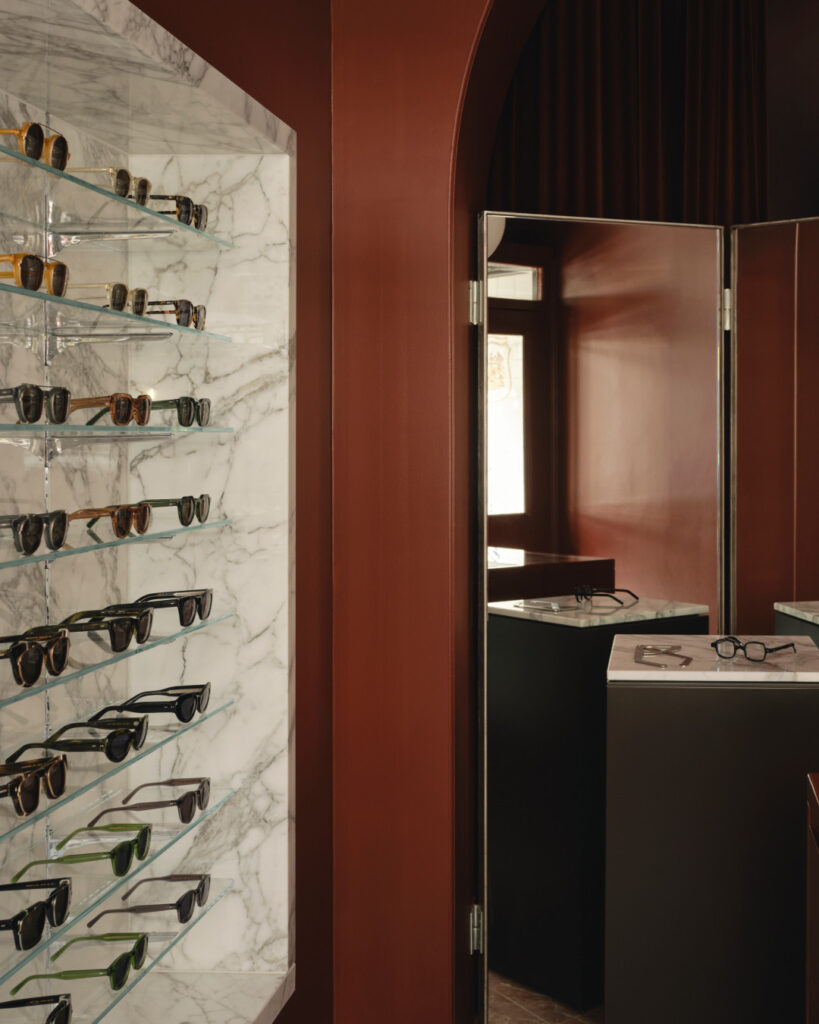
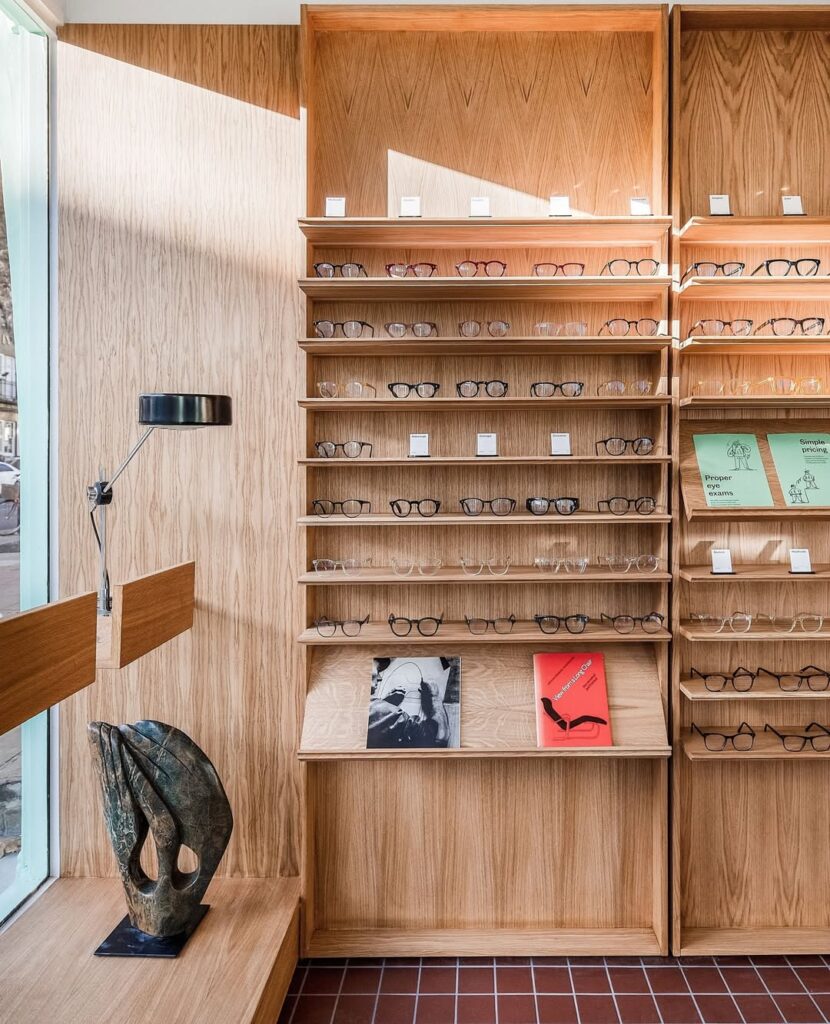
Cubitts frames are not displayed like inventory. They are displayed like art.
Every shelf feels intentional.
Every frame feels curated.
In contrast, many independent stores overwhelm customers with:
- Hundreds of frames
- Cluttered walls
- No storytelling
- No focus
The modern consumer doesn’t want more choice they want better guidance.
Opticians must rethink product presentation:
- Fewer frames, better selection
- Stronger display structure
- Editorial merchandising
- Collections, not chaos
The Younger Consumer Will Not Come for a Product — Only for a Reason
Here is the uncomfortable truth:
The young customer in 2026 does not leave the house to simply buy glasses.
They can order online in 3 minutes.
They will only visit a store if the store offers something the internet cannot:
- A unique experience
- A memorable environment
- Personal connection
- A sense of identity
- Social value
This is why many traditional clinics are losing younger clients and are left with customers aged 55+.
Cubitts attracts the next generation because the visit feels like lifestyle retail, not healthcare.
Independent Opticians Must Adapt — Or Disappear
Cubitts is not just a competitor.
It is a signal of what the future looks like.
Independent optical retailers must urgently understand:
The business is no longer about lenses.
It is about experience design.
To survive, opticians must invest in:
- Store redesign
- Premium materials and atmosphere
- Better merchandising
- Staff presentation
- Brand storytelling
- Hospitality-driven service
Those who continue operating like clinics will slowly lose relevance.
What to Copy from Cubitts — The Checklist
Independent opticians should immediately implement:
- Boutique interior design (wood, marble, warmth)
- Central table consultation concept
- Premium staff uniforms and training
- Curated frame selection, not overcrowded walls
- Retail experience over clinical efficiency
- Emotional branding, not medical positioning
- Store as a destination, not a necessity
The Biggest Mistake Independent Opticians Keep Making: Trusting Sales Agents
One of the greatest problems in the optical industry is that many independent opticians place too much trust in sales agents or believe they personally have the expertise to select frames effectively.
The reality is that a large percentage of frame assortments on the market lack aesthetic coherence. Many collections are overly colorful, poorly designed, or visually confusing products that may look more like costumes than timeless eyewear.
Sales agents, by nature, are not curators. Their role is simple: to sell what they represent, often pushing what hasn’t sold elsewhere. If an optician is unsure what to buy, the worst decision is to rely entirely on the agent’s recommendations.
In many cases, the smarter approach is to involve a creative director, stylist, or professional buyer roles that must become more common in the eyewear industry. Opticians are healthcare professionals and store operators, but they are not trained fashion buyers.
Frame selection is not intuitive for everyone. Taste and aesthetic judgment take years to develop, and only a small number of people possess that instinct naturally.
This is exactly why so many optical stores are sitting on dead stock: products that don’t move, not because customers don’t buy glasses, but because the store bought the wrong ones.
An agent is not your business partner. An agent is there to sell inventory.
Their priority is to increase sales volume and earn commission not to protect your store’s long-term success.
Independent opticians must take control of their buying strategy, or they will continue paying the price through unsold stock and lost relevance.
Conclusion: Cubitts Changed the Rules
Cubitts succeeded because they understood the modern consumer before the industry did.
They didn’t win by selling the best product. They won by creating the best environment.
And for independent optical stores, the message is clear:
In 2026, the store that feels like a clinic will lose. The store that feels like an experience will win.



 English
  French
  Italian
  Spanish
  Portuguese
  German
  Korean
  Japanese