

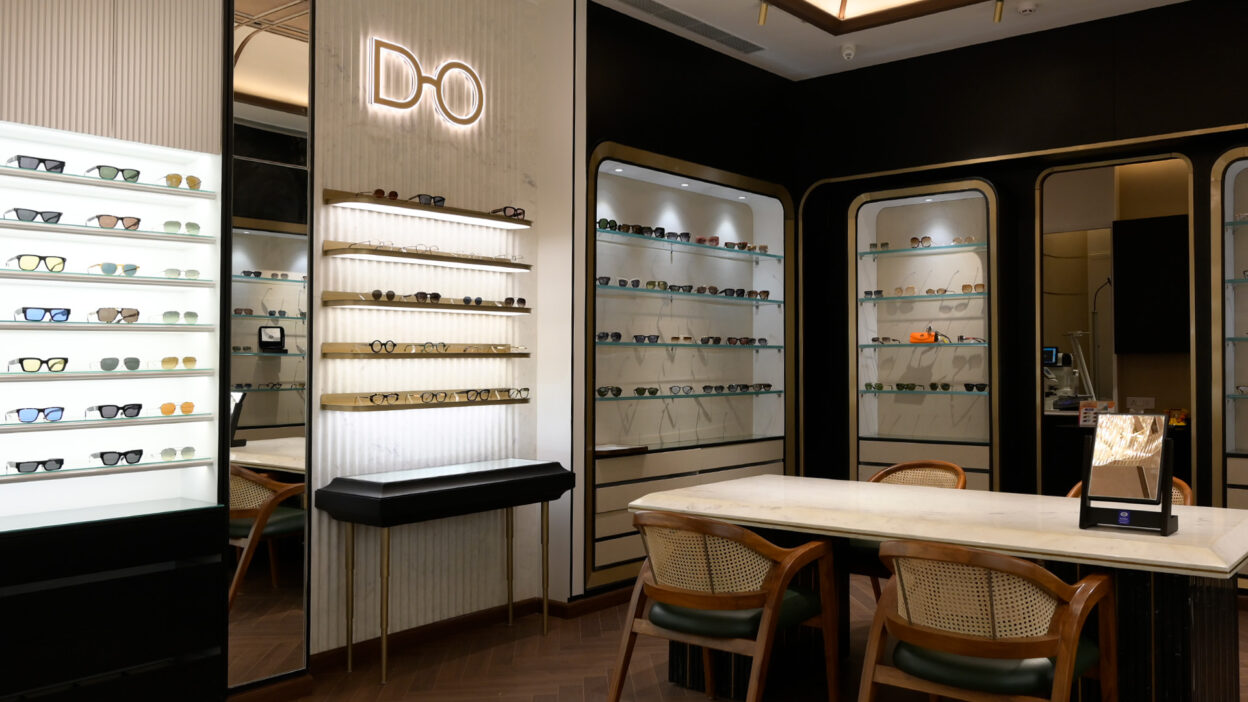
In global fashion conversations, India is still too often treated as a sleeping giant. But inside the eyewear industry, something far more interesting is happening: the country is quietly becoming one of the most dynamic emerging markets for luxury and independent eyewear.
For decades, eyewear in India was perceived almost exclusively as a medical necessity functional, discreet and rarely associated with fashion. Today, that narrative is changing fast. A new generation of affluent, globally exposed consumers is rewriting the rules of the category, pushing the market beyond logo-driven luxury toward craftsmanship, design and individuality.
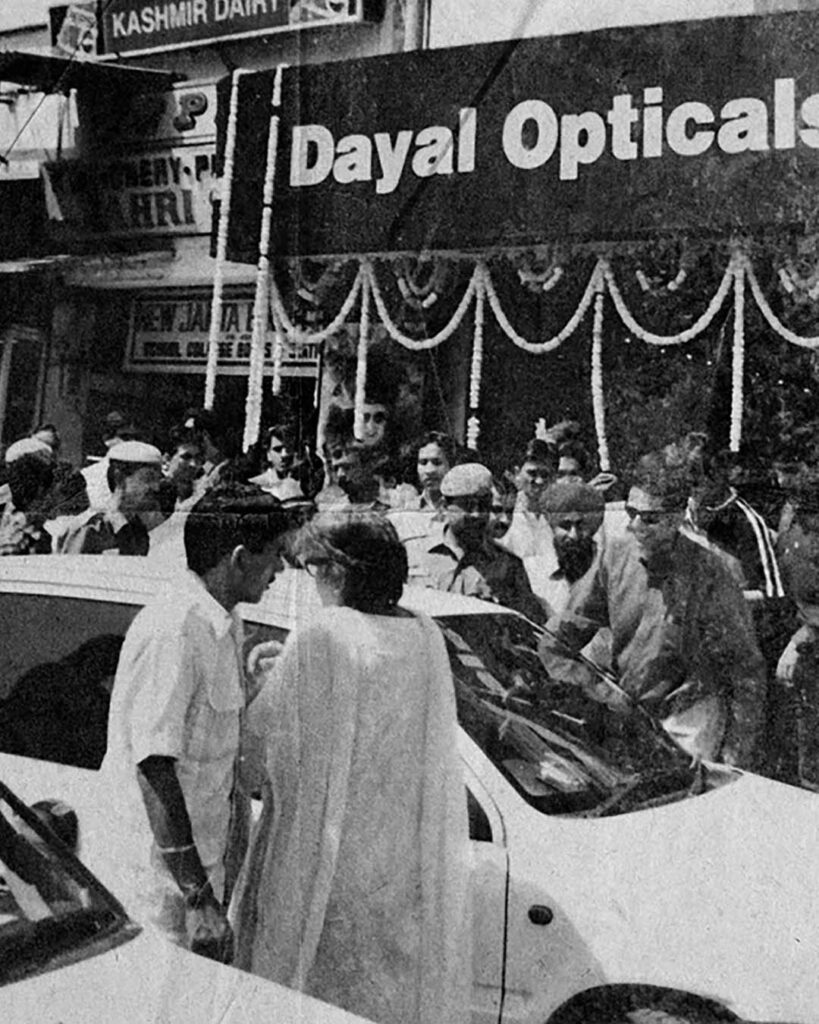
Few companies illustrate this transformation better than Dayal Opticals, the Delhi-based retailer that began as a small neighbourhood optician in 1961 and has since evolved into one of India’s most influential luxury eyewear destinations.
Their journey mirrors the evolution of the Indian eyewear market itself from practicality to prestige, and increasingly, toward curated design culture.
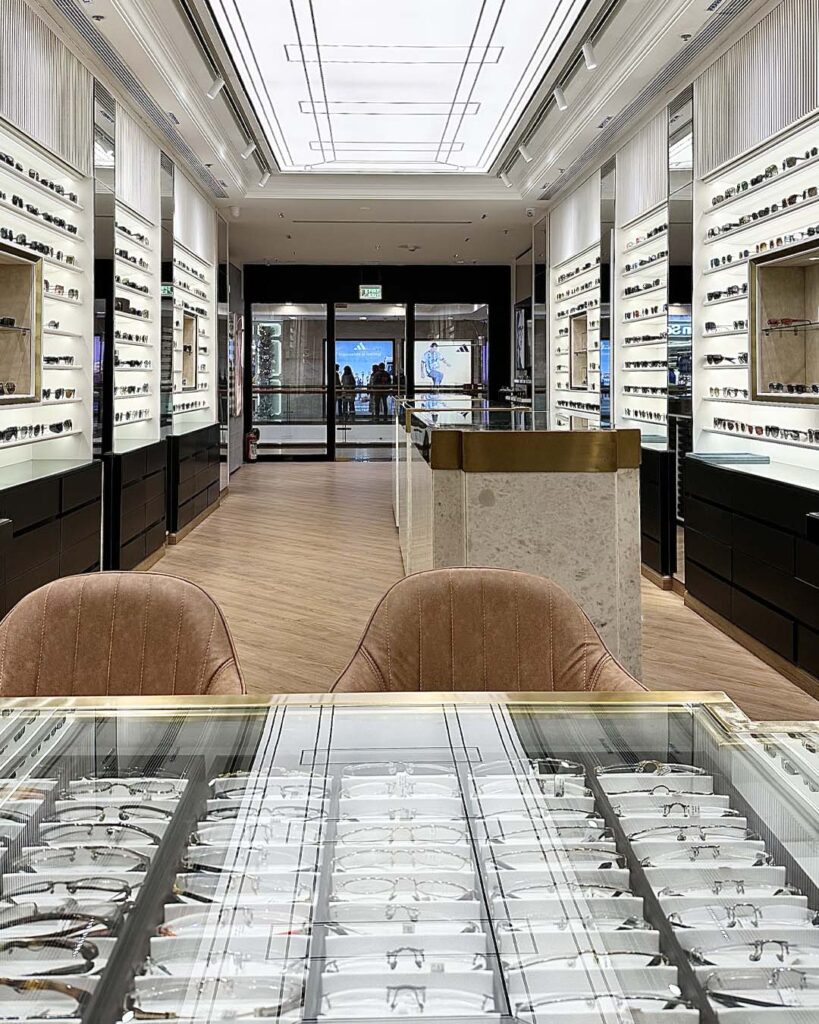
From Prescription Counter to Luxury Destination
When Dayal Opticals opened its doors in Delhi in the early 1960s, the concept of fashion eyewear barely existed in India. Frames were primarily medical tools, purchased out of necessity rather than desire.
That perception began to shift in the late 1990s.
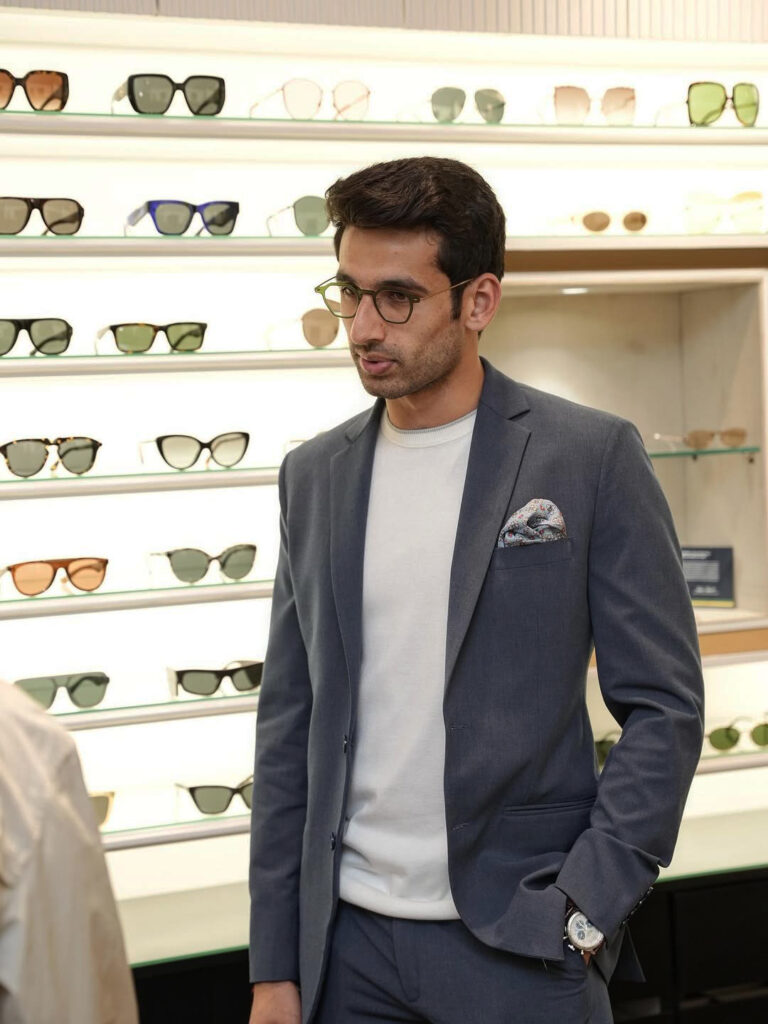
“My grandfather founded the company in 1961 as a neighbourhood optician in Delhi, at a time when eyewear in India was largely seen as a medical necessity rather than a fashion accessory,” explains Sarvash Kalra.
The real turning point came when the second generation recognized that India’s emerging affluent consumers had both the purchasing power and the appetite for global fashion but very little access to it.
“Nearly 25 years ago, my father took a decisive step by introducing internationally recognised luxury brands such as Chanel and Armani to our stores, which were not available anywhere in India.”
Even more importantly, the company insisted on bringing the same collections sold in Europe, rather than the outdated inventory often pushed into emerging markets.
“When my father joined the business, he realised that the Indian market was often shown styles that hadn’t sold in Europe. He pushed the Indian subsidiaries to supply the latest models even if it meant paying a higher price.”
That move helped reposition eyewear as a fashion and lifestyle product, not simply a functional purchase.
The Rise of the Indian Luxury Eyewear Consumer
Over the past decade, India’s luxury eyewear market has undergone a profound shift.
“The growth of the luxury eyewear segment in India has honestly been fantastic to witness,” says the Dayal Opticals team.
But the most significant change isn’t just in spending it’s in taste.
“Today’s Indian luxury eyewear customer is far more informed and discerning. They are increasingly prioritising quality, craftsmanship and design over just well-known brand names.”
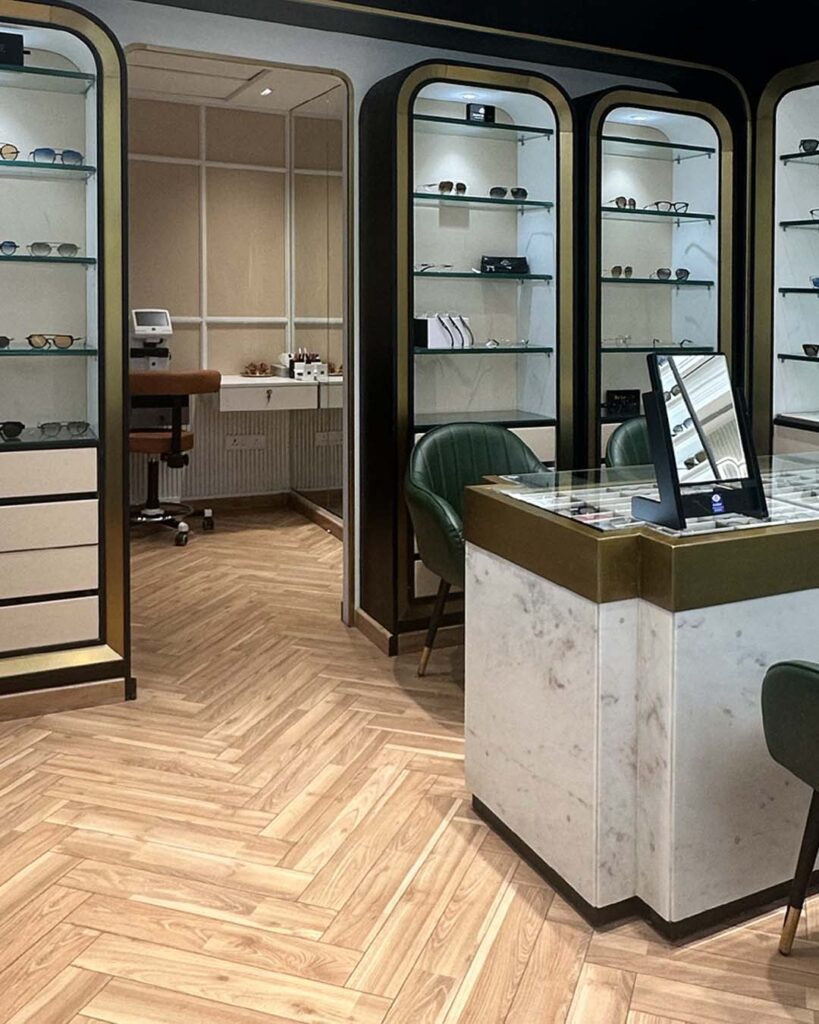
Many of these consumers travel extensively and are exposed to the world’s most sophisticated retail environments.
As a result, when they walk into a luxury eyewear boutique, they expect far more than just product.
“They are looking for a complete experience, product, expertise, guidance and service.”
India’s Quiet Shift Toward Independent Eyewear
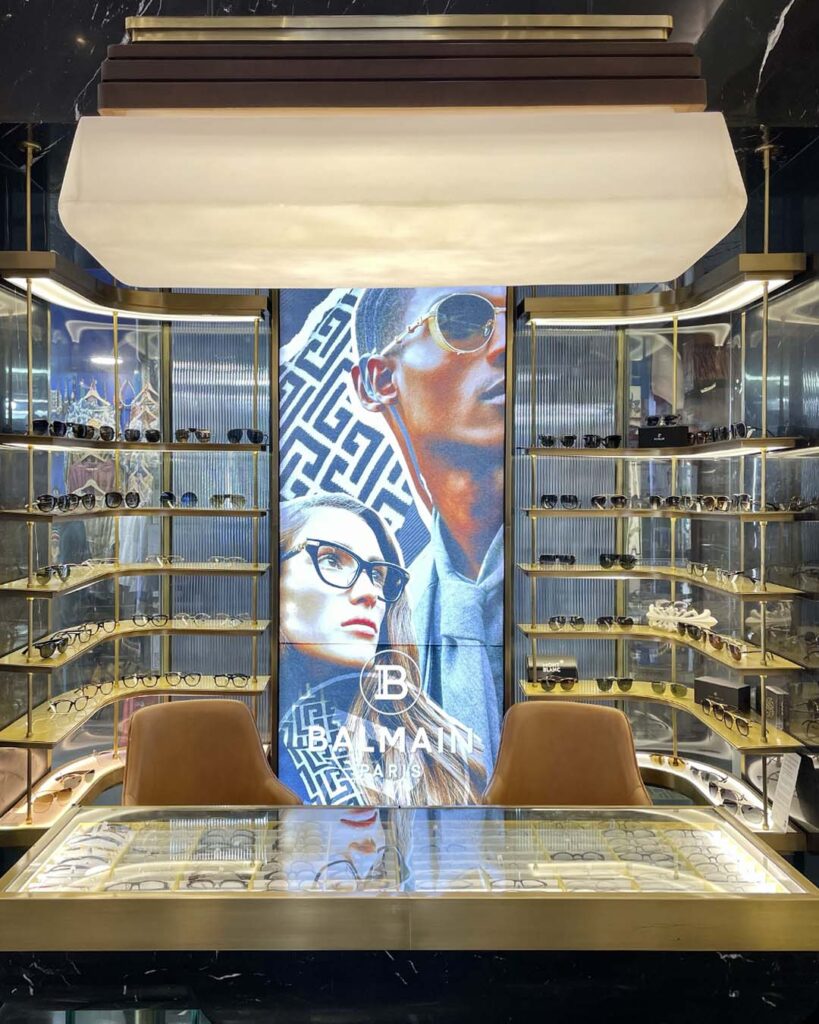
While global conglomerates still dominate much of the eyewear industry, India is showing early signs of a shift already visible in Europe and Japan: a growing appetite for independent brands.
At Dayal Opticals, that demand has become impossible to ignore.
“For the past seven to ten years we have prioritised independent and niche eyewear brands, not just by choice but because we’ve seen strong demand for them.”
The results speak for themselves.
“Labels such as Ahlem, Jacques Marie Mage, Rigards, Akoni, Anne et Valentin and Chrome Hearts consistently feature among our top-performing brands.”
In other words, Indian consumers are increasingly willing to move beyond logo-driven luxury in favour of craftsmanship, originality and design identity.
A New Generation Driving the Change
The shift is particularly visible among younger Indian consumers.
Unlike previous generations, many Gen Z and millennial clients are less attracted to visible branding and more interested in design culture.
“Younger consumers today are far more design-conscious and globally exposed,” says Sarvash Kalra.
“They are not necessarily drawn to loud logos. Instead they are looking for craftsmanship, detailing and individuality.”
Because these consumers travel frequently visiting fashion capitals like Paris, Tokyo, Los Angeles and Ibiza they often discover niche eyewear brands abroad before seeing them in India.
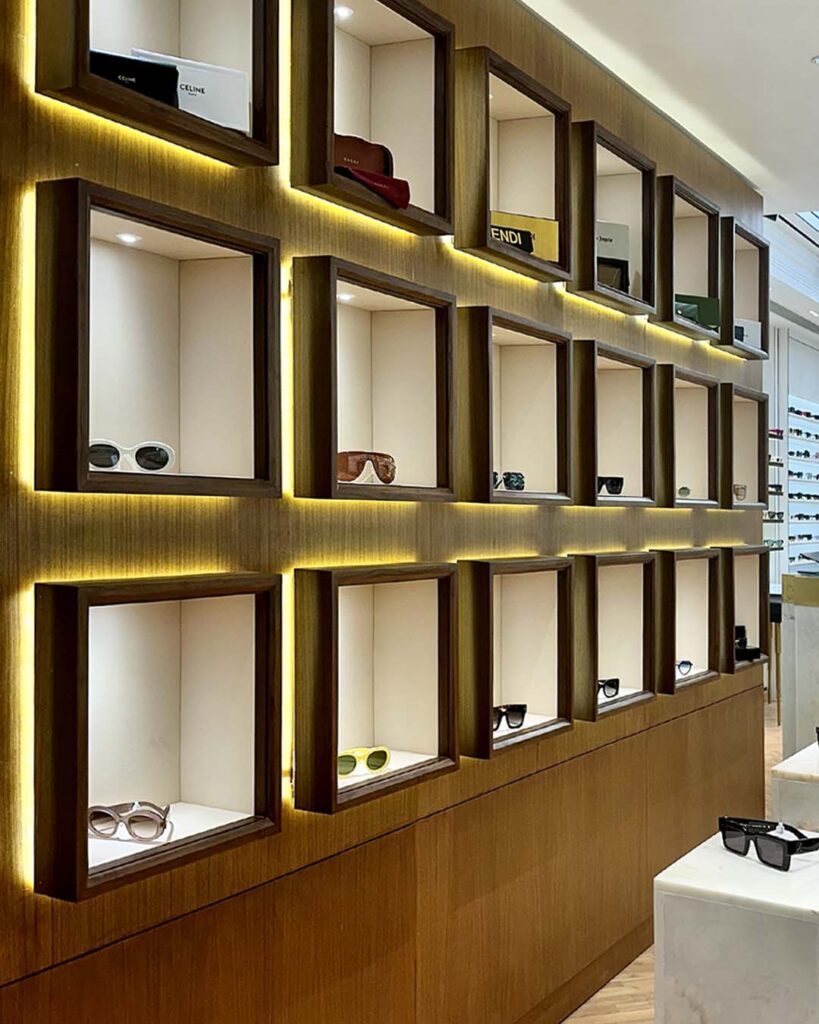
Retailers like Dayal Opticals are increasingly acting as curators of global design culture, bringing together frames from across the world.
“From Jacques Marie Mage in Los Angeles to Rigards from Japan our aim is to bring the best global craftsmanship under one roof.”
Why Retail Experience Matters More Than Ever
Unlike mass luxury categories, many independent eyewear brands rely heavily on storytelling and in-store education.
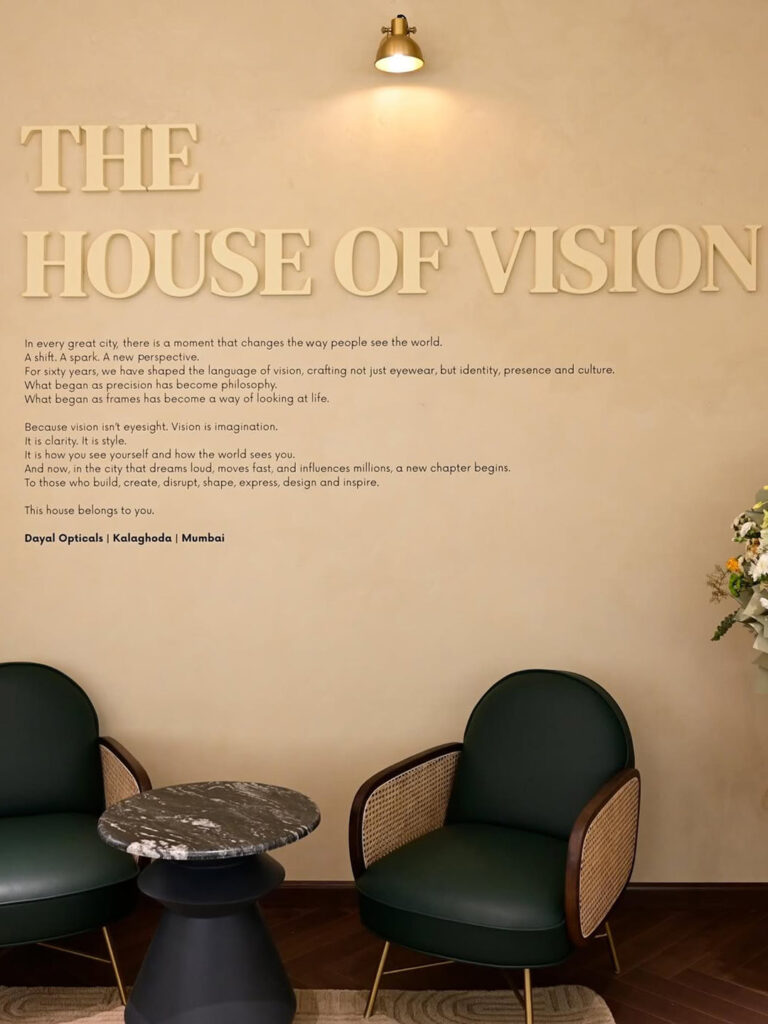
That makes the physical retail environment crucial.
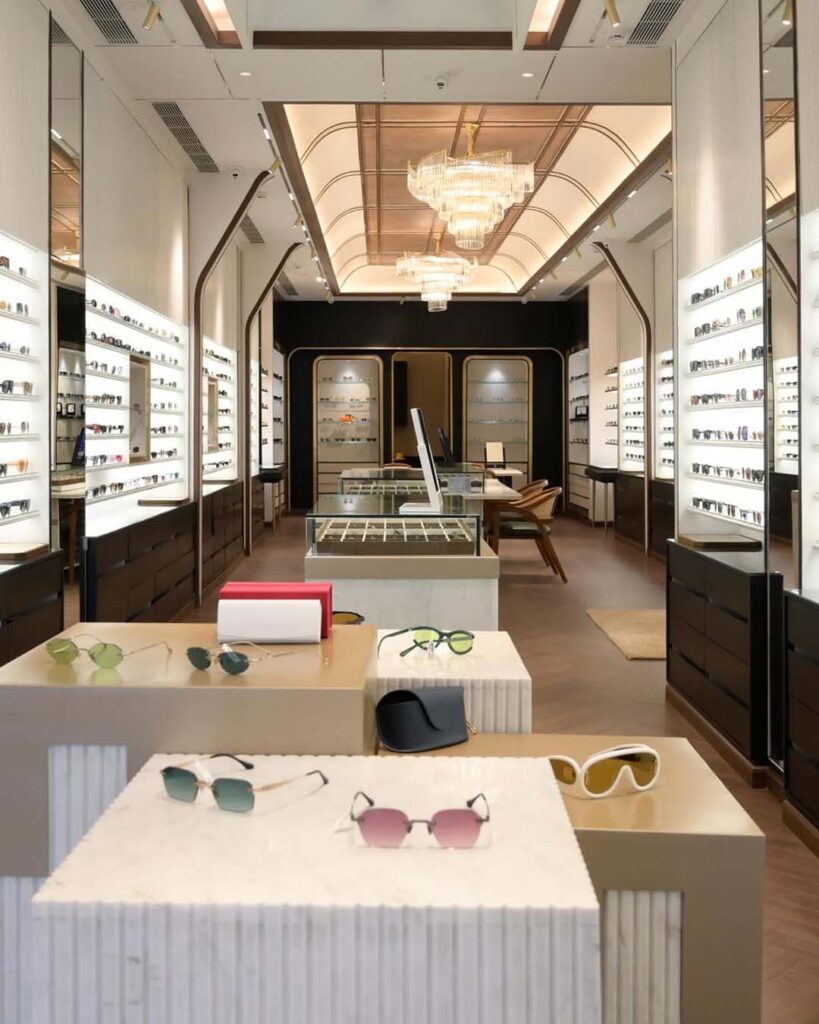
“The physical retail experience plays an extremely important role in luxury eyewear,” explains Dayal Team.
“Many of these brands are not heavily advertised or instantly recognisable, so the store becomes the space where the story truly comes to life.”
Everything from store design to staff training contributes to how customers understand the product.
“When clients understand the inspiration behind a brand, the craftsmanship involved and the thought behind the materials and design, they appreciate the eyewear on a much deeper level.”
The Next Frontier: India’s Untapped Market
Despite the rapid growth of luxury consumption, India’s eyewear market remains dramatically underdeveloped outside major metropolitan cities.
That gap represents one of the industry’s biggest opportunities.
“Indian consumers certainly have the spending power,” says Dayal Team, “but many in tier-2 and tier-3 cities still don’t have access to curated luxury eyewear retail.”
Digital platforms are beginning to bridge that divide.
“Our e-commerce platform has grown very positively because it allows us to reach customers across the country who may not have a physical store nearby.”
The future of the Indian eyewear market will likely be shaped by a hybrid model combining high-end retail experiences with digital accessibility.
The Market the Global Eyewear Industry Is Underestimating
For many international brands, India still feels like a market of the future.
But inside the industry, the shift is already happening.
Fashion awareness is rising rapidly, consumers are becoming more design literate, and demand for independent brands is growing year after year.
“The interest in niche and independent brands will only continue to grow as customers seek products that feel unique and thoughtfully designed,” says Sarvash Kalra.
For global eyewear brands searching for their next frontier, the message is becoming increasingly clear:
India isn’t just catching up, it’s building its own design-driven eyewear culture.


 English
  French
  Italian
  Spanish
  Portuguese
  German
  Korean
  Japanese