

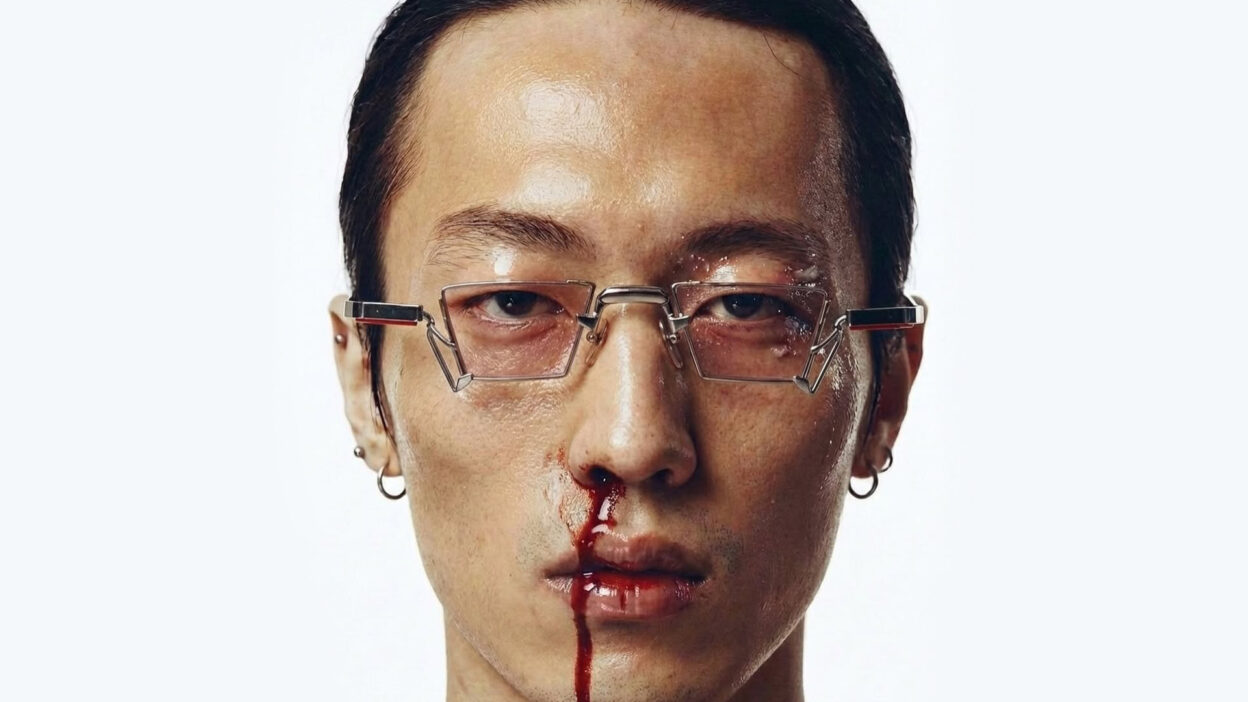
In the past six years, something curious has happened in the world of luxury eyewear. While fashion has exploded hundreds of clothing brands launched, flooded Instagram, and disappeared just as quickly eyewear has remained… selective.
Brutally selective.
Only a handful of brands have managed to break through the noise with real impact, real distribution, and real presence in stores. Three names stand out: Akoni (2021), Sato (beginning 2023), and The Other Glasses (late 2024).
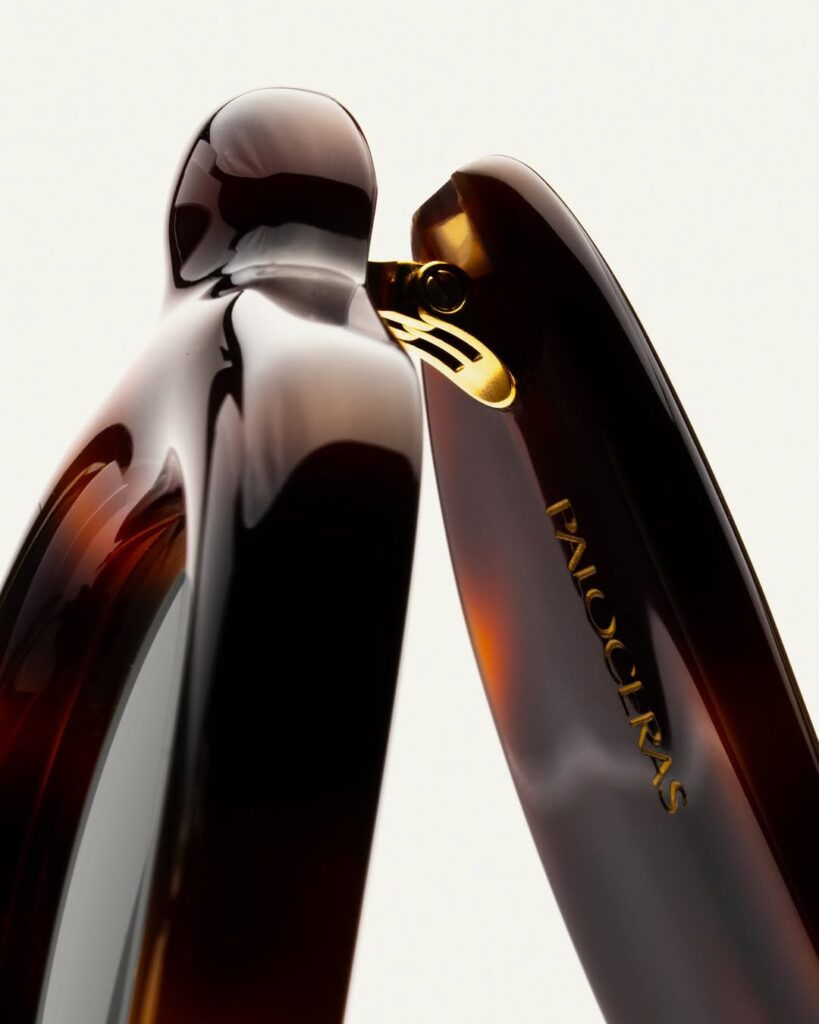
Alongside them, three others Paloceras (2022), Sestini (2021), and VOA (2021) are still trying to navigate what is arguably one of the most complex and unforgiving industries in fashion.
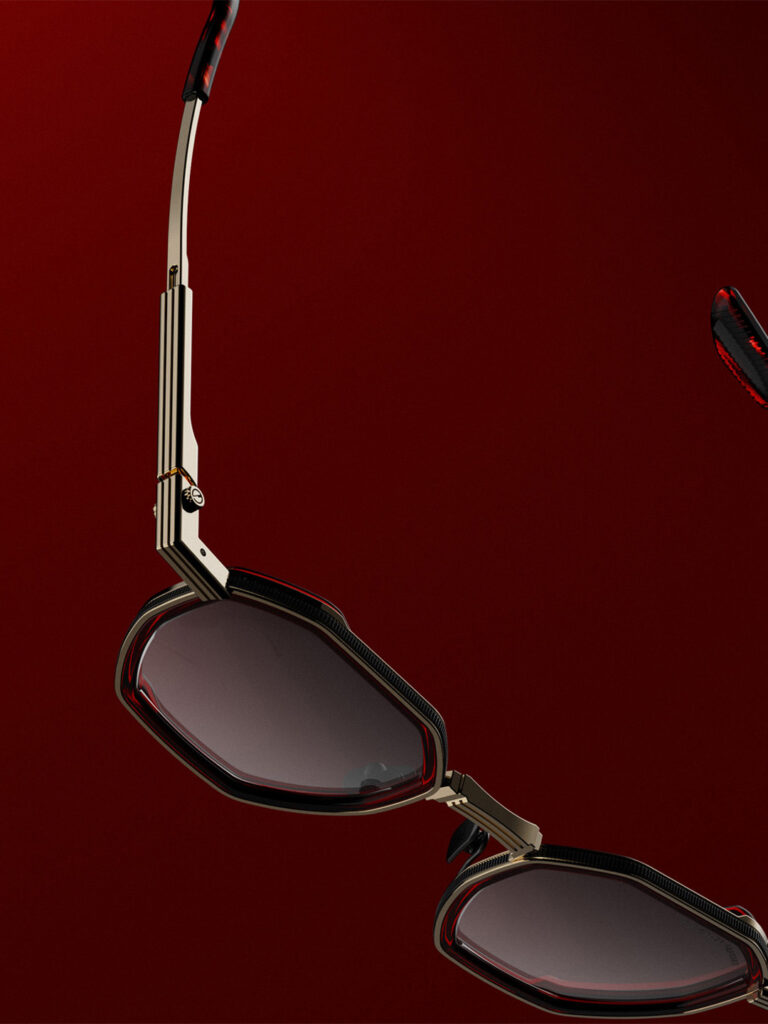
At first glance, this might seem surprising. Surely, there must be more eyewear brands out there?
There are.
But impact is not measured by how many logos exist it’s measured by influence, by presence in top-tier stores, by whether people actually wear your product.
And here’s the uncomfortable truth: buying frames from a factory in China and printing a name on them is not building an eyewear brand. Not even close.
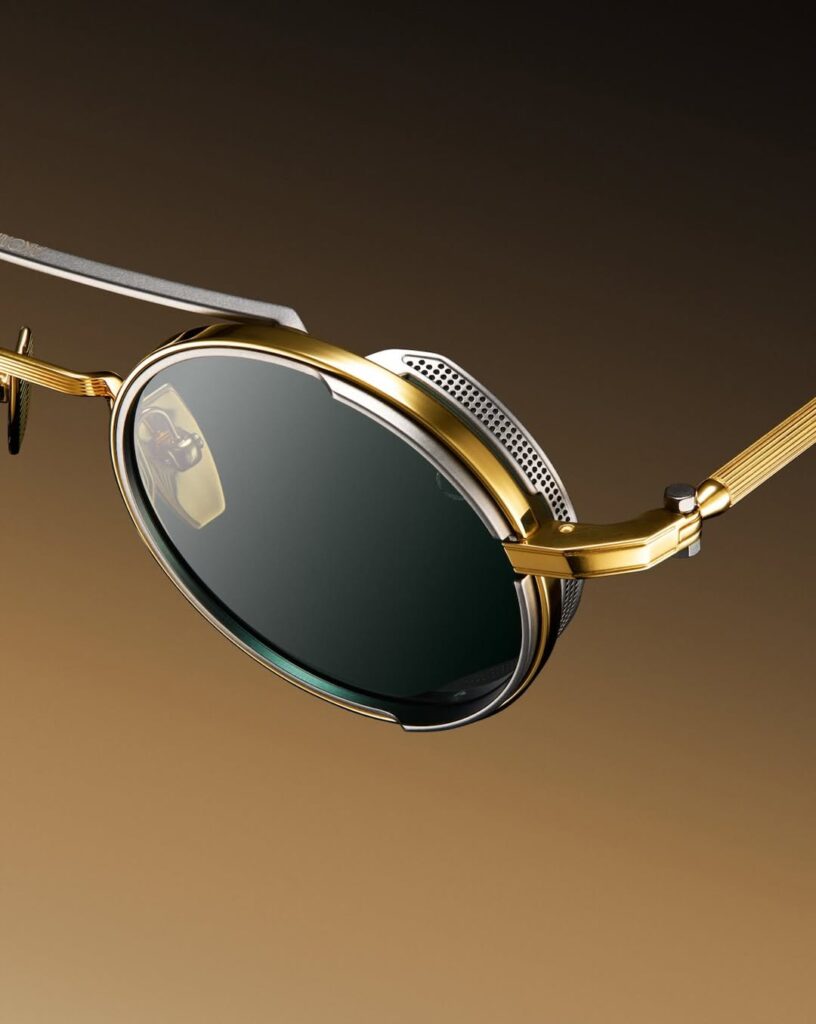
The Divide: Insiders vs. Outsiders
What separates the first three brands from the latter isn’t luck. It’s background.
Akoni, Sato, and The Other Glasses were built by people who understand the eyewear industry from the inside out. Some ran optical stores. Others worked as sales agents. Some built teams with veterans from companies like DITA Eyewear, Marcolin, or Gentle Monster.
They didn’t just design frames they understood distribution, margins, production cycles, and retail psychology.
On the other side, brands like VOA, Paloceras, and Sestini were often founded by designers creative, well-funded, visually sharp but without deep knowledge of how the industry truly works behind the curtain.
And in eyewear, that knowledge is everything.
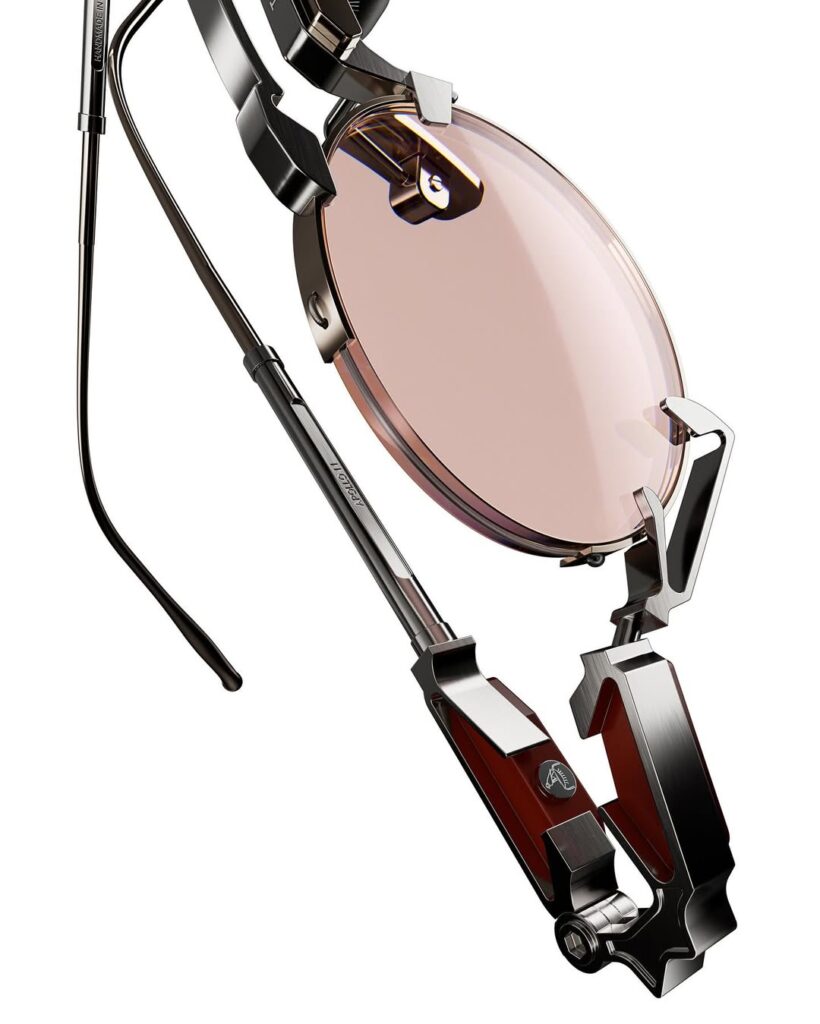
More Than Aesthetic: The DNA Problem
Building an eyewear brand is not just about making something that looks good.
It’s about defining a DNA a clear creative direction that can be recognized instantly. It’s about consistency, identity, and evolution.
But even that is not enough.
Because in this industry, success doesn’t only belong to those who create it belongs to those who know how to sell.
And that’s where most fail.
The Timeline No One Talks About
Here’s what nobody tells you when you start:
- A collection takes about 1 year to design
- Production takes 6 to 9 months
- Selling it properly takes at least another 12 months
That’s a minimum 3-year cycle before a brand can even begin to stabilize.
Most new brands don’t survive that timeline.
Why? Because they burn cash like a casino. They rely on investment funds. They don’t self-finance. And they underestimate how long it takes to build traction.
Only a few know the “tricks” not shortcuts, but the invisible mechanics of timing, pricing, and positioning.
Product vs. Reality
Designing eyewear is not like designing a t-shirt.
It’s not just about how it looks it’s about how it sits on the face, how it balances, how it feels after hours of wear. It’s engineering disguised as fashion.
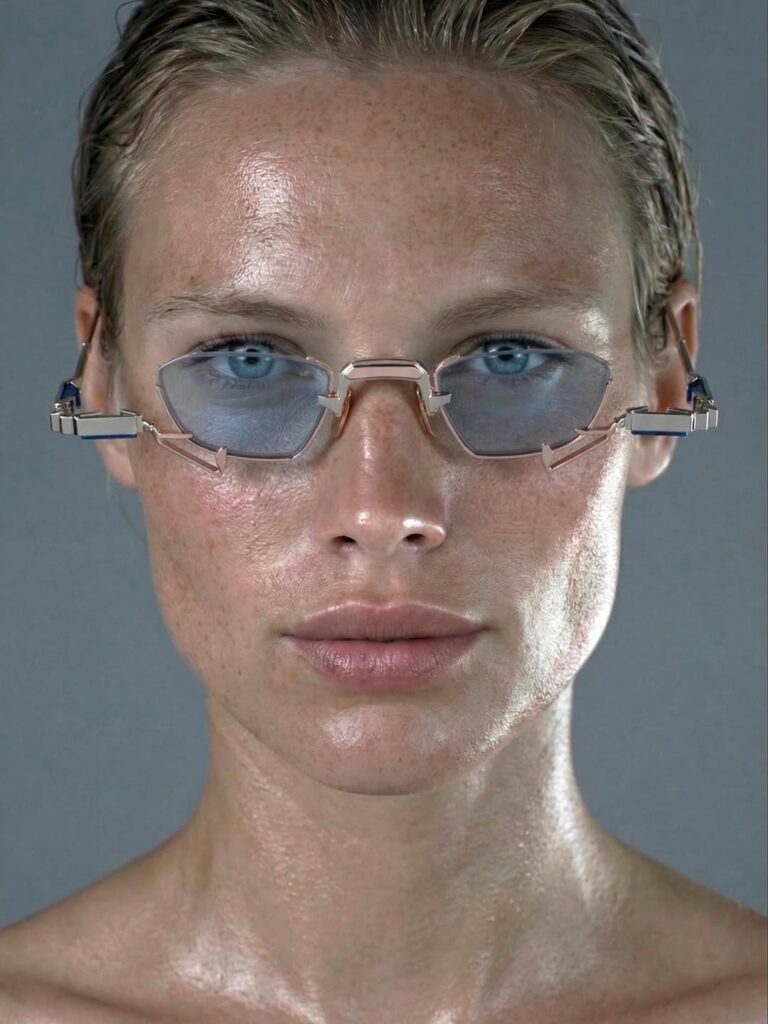
Some brands like VOA or Paloceras choose to focus on niche aesthetics. These can be powerful, but they are often limited in scale.
Others like Akoni and The Other Glasses aim for broader appeal.
But even here, strategy differs.
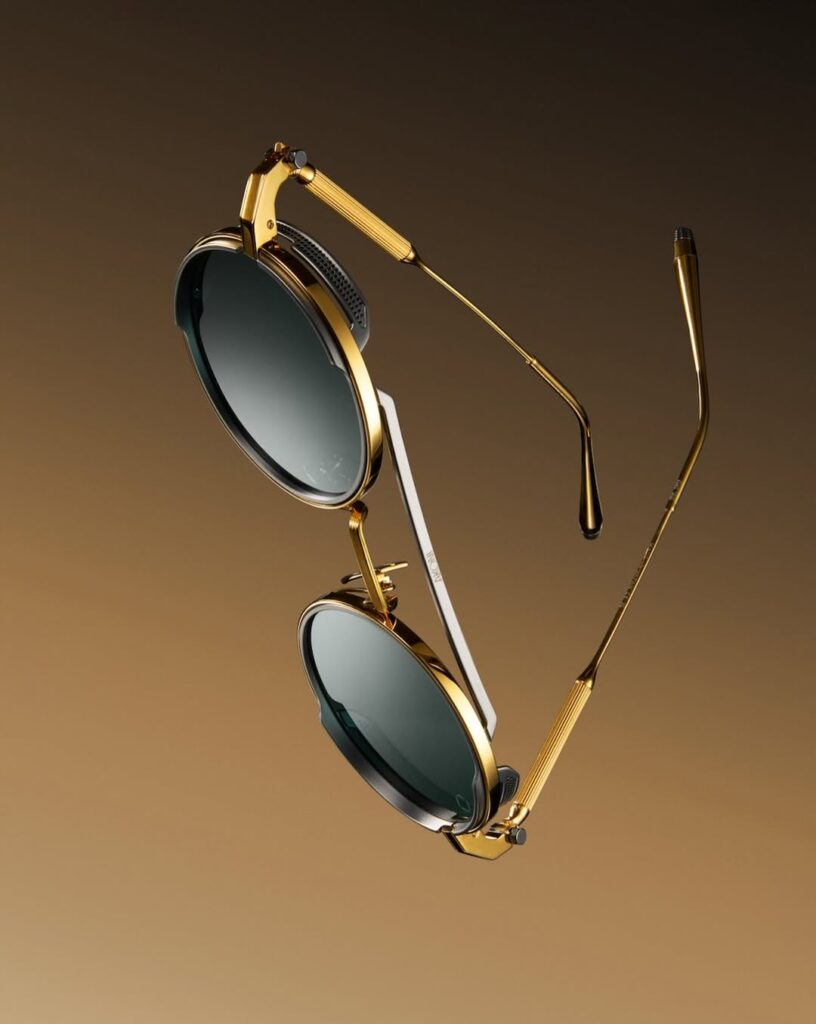
Akoni entered the market with a fully developed, complex DNA from day one.
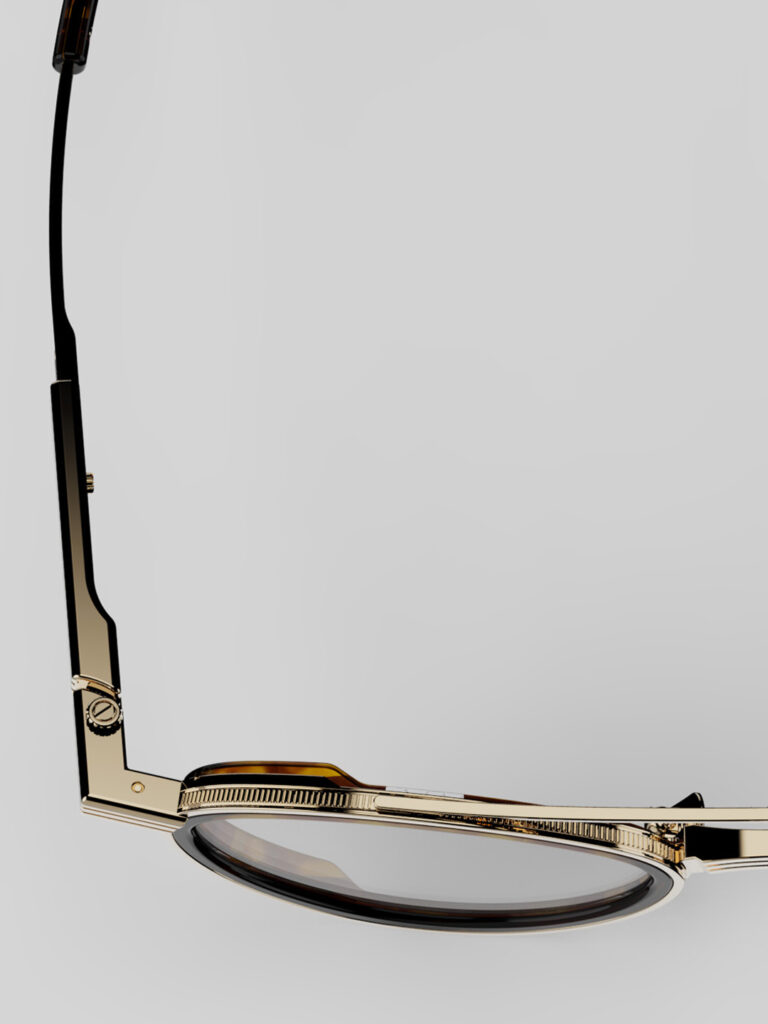
On the other hand, The Other Glasses chose a staged approach, starting with “Origins” and gradually building a more layered identity. The “Essence” line positions it directly in “competition” with Akoni, signaling a deliberate expansion from foundational design to high-complexity craftsmanship.
This is not accidental. It’s calculated growth. And yes, if you can build a truly unique DNA around restraint and minimalism, creating one around complexity becomes almost effortless.
But the one thing no one seems to understand is this: if independent stores truly stood alongside independent brands, there wouldn’t be this constant sense of competition between them. Brands would be chosen for their story, collected for their aesthetic, and appreciated for what they represent.
Instead, many opticians allow conglomerates to dominate their shelves, rather than standing with independent brands that could genuinely support and strengthen their business.
Conglomerates aren’t going anywhere they will always dominate department stores, their own retail chains, and airport duty-free spaces.
Opticians, however, need to define a clear identity and offer products you won’t find at an airport terminal.
The Dirty Secret: Distribution
Here’s where the story gets uncomfortable.
Most new brands don’t know how to sell globally. They lack networks, relationships, and retail strategy.
So what do they do?
They turn to consultants and sales agents.
The same agents who also advise the stores.
Let that sink in.
People who have zero financial stake in your brand are telling you how to run it while simultaneously advising the retailers you’re trying to sell to.
Why?
Because they sense desperation. And they monetize it.
Ironically, in eyewear, the people making the most money with the least risk are often the consultants and agents not the brands.
And if they were truly that good, we wouldn’t be talking about only six relevant brands in six years.
The Question No Founder Wants to Answer
Everyone starts with the same idea:
“I’ll create something beautiful.”
But almost no one starts with the real question:
How will I sell it?
What happens when you approach an agent who already represents 5-10 brands?
Why would they prioritize yours?
Worse why would they push your product if it competes with their top-performing brand?
This is where most dreams quietly collapse.
The Reality of Building an Eyewear Brand
Building an eyewear brand is not just about creativity.
It’s about:
- Understanding manufacturing deeply
- Crafting a recognizable DNA
- Creating a top creative direction
- Navigating long timelines
- Controlling distribution
- Building relationships in silence
- And most importantly knowing how to sell without depending on people who don’t believe in your product
So… Can Anyone Do It?
Technically, yes.
Realistically, very few.
Because this industry doesn’t reward aesthetics alone. It rewards patience, insider knowledge, and strategic execution.
And if you’re thinking about starting one, there’s only one place to begin:
Not with design.
Not with branding.
But with a brutally honest question:
Who is going to sell your product… and why would they choose you?
The Hidden Cost: Content, Creativity, and the Structure No One Sees
If production is the obvious cost of building an eyewear brand, the real expense today lies elsewhere: top-tier content creation.
In today’s market, it’s no longer enough to design a great frame—you have to build a world around it. That means campaigns, visuals, storytelling, and a consistent creative voice across every touchpoint. To do this properly, brands either need to hire elite external agencies or build an in-house team that operates at the same level.
How many can actually do that?
Very few.
The Designer Dilemma
Over the past six years, only a handful of brands have truly succeeded in building strong internal creative systems and there’s a reason for that.
Out of the brands mentioned earlier, almost all except Sestini have one critical advantage: they have their own designers and product developer embedded within the brand.
But here’s where most people misunderstand the game.
There is a fundamental difference between a product designer and an eyewear designer.
A product designer thinks in systems function, ergonomics, user experience, scalability. An eyewear designer, in many cases, focuses primarily on form, fitting and style. The brands that succeed are those that merge both disciplines into a single vision.
The Startup Model Nobody Talks About
The most successful eyewear brands today don’t operate like traditional fashion labels.
They function more like tech startups.
They are:
- Design studios
- Creative agencies
- Content machines
- Sales organizations
All at once.
This hybrid structure allows them to control everything from product to narrative to distribution without depending on external forces that dilute their identity.
Why Most Brands Fail to Build a Real DNA
Brands that lack this structure design, marketing, content creation, and creative direction under one roof struggle to build a true DNA.
And without DNA, there is no long-term relevance.
Because DNA is not just a logo or a visual style it’s a system of thinking, repeated consistently across product, communication, and positioning.
The Only Two Ways to Make It Work
In the end, building a real eyewear brand comes down to two brutally difficult things:
- Getting a critical mass of people to believe in your vision not just customers, but your internal team, your partners, your retailers.
- Securing the right kind of funding not just money, but patient capital that understands the timeline and complexity of the industry.
Without these, even the most beautiful product will struggle to survive.
Because in eyewear today, creativity alone is not enough.
Structure is everything.


 English
  French
  Italian
  Spanish
  Portuguese
  German
  Korean
  Japanese