

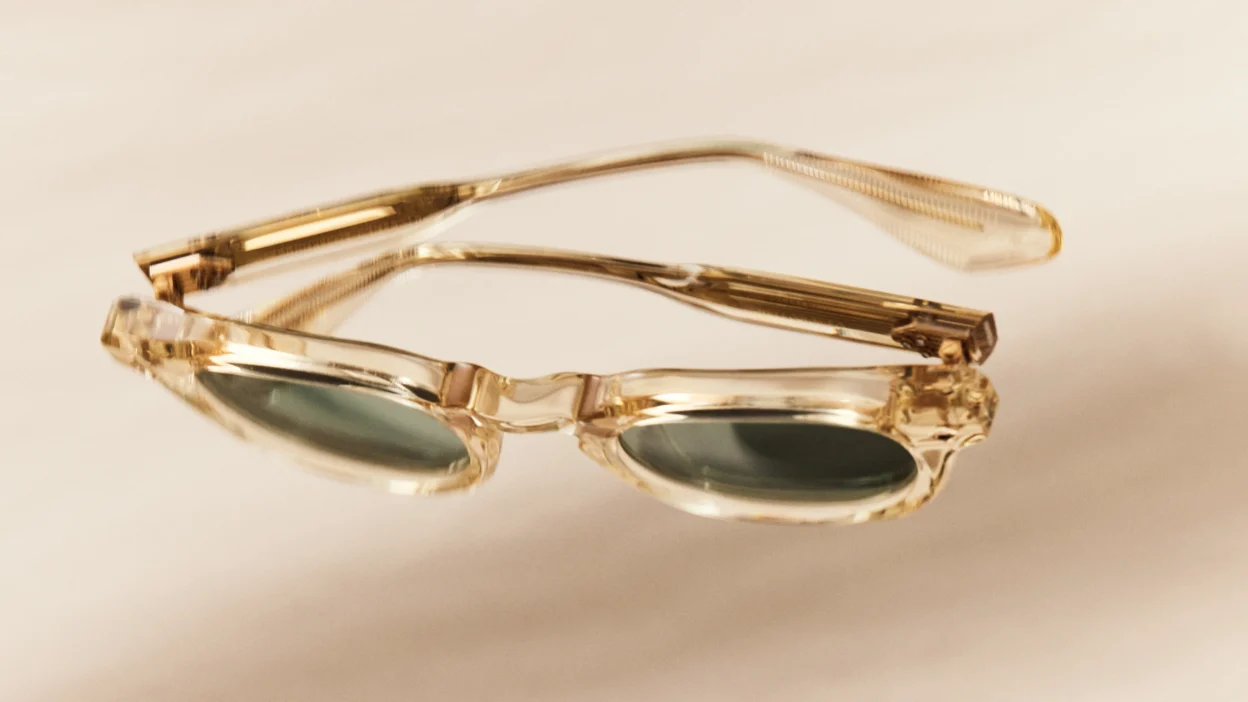
While most of eyewear was still speaking the language of clinics and white shelves, Lunetterie Générale was already designing for a different future, one built on culture, atmosphere and identity.
For decades, eyewear suffered from a branding problem that few people inside the industry wanted to acknowledge. There was never a true transition period between glasses as a medical necessity and glasses as a cultural object.
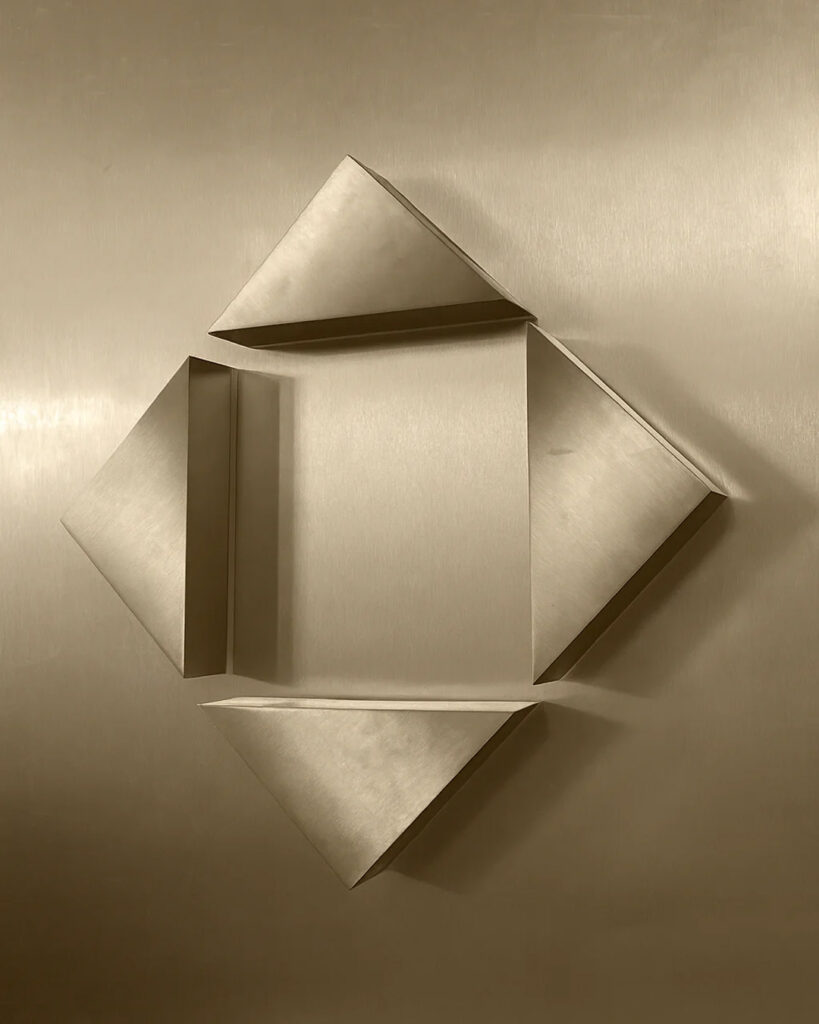
Fashion had its reinventions. Watches moved from function to emotion. Sneakers became luxury. But eyewear remained trapped in an awkward middle ground: a product worn on the face every day, yet sold with the visual language of a prescription device.
Even today, nearly every market still carries traces of this. White shelves. Clinical environments. Retail experiences optimized for transactions rather than desire.
The problem was never the product itself.
The problem was the imagination around it.
And then there was Lunetterie Générale.
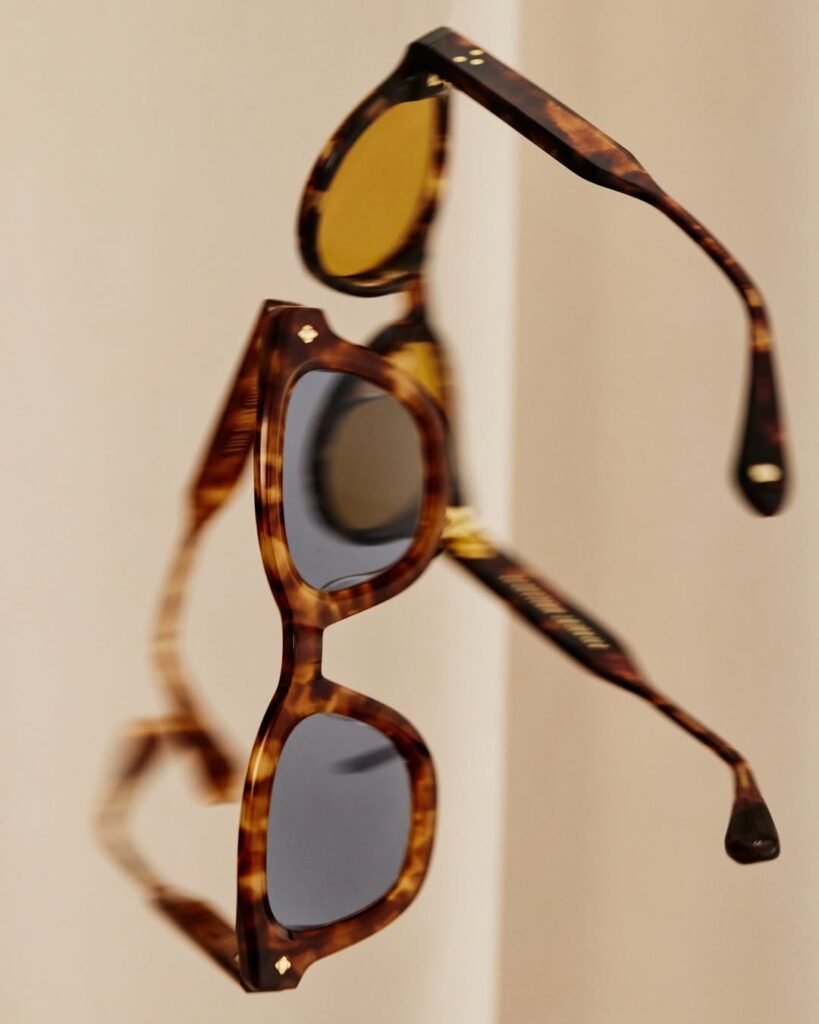
Not necessarily louder than everyone else. Not necessarily more radical. But operating with a level of cultural awareness the industry wasn’t prepared to process.
Because when the industry finally started talking about storytelling, digital identity and emotional luxury, Lunetterie Générale had already been there for years.
Luxury, before luxury became noise.
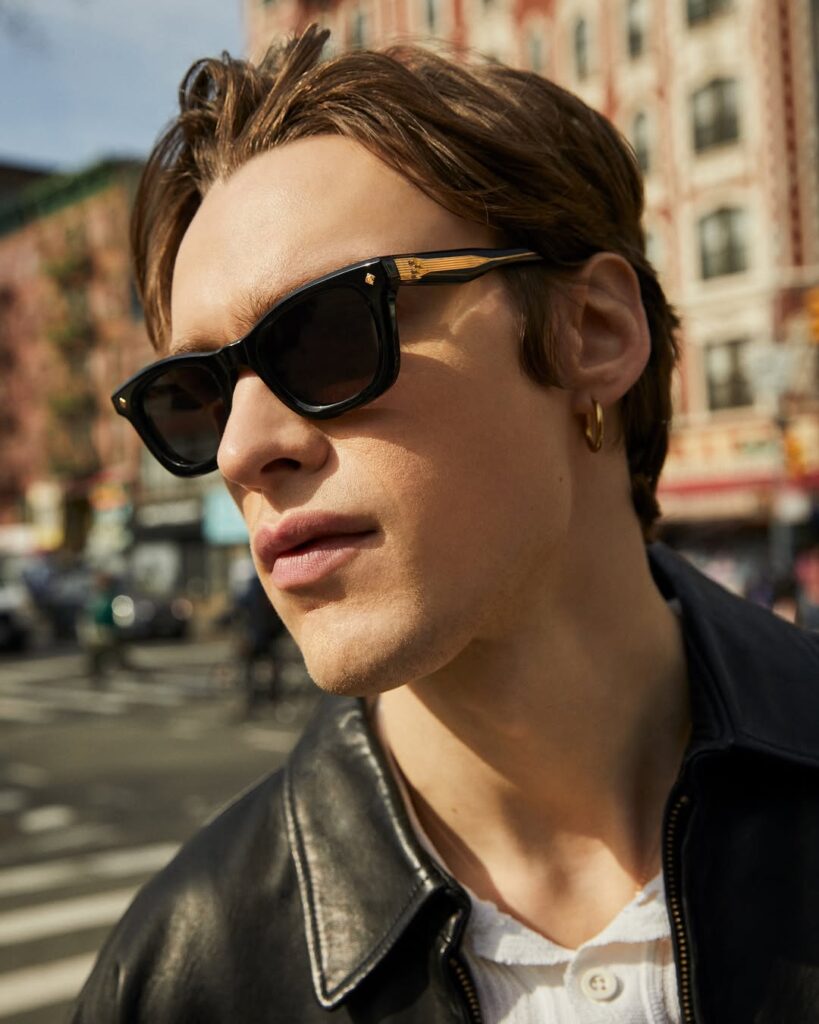
The easiest way to misunderstand Lunetterie Générale is to see it simply as another quiet luxury eyewear brand.
Its DNA was never built around shock value.
Because Lunetterie Générale never needed validation from the new generation, it was already living where that generation existed.
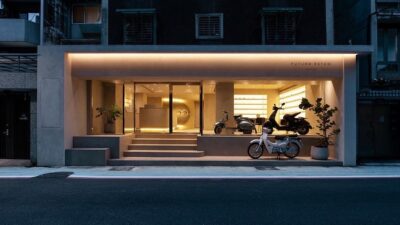
Long before many optical retailers understood the value of digital environments, cultural positioning or aesthetics beyond product displays, Lunetterie Générale was already present within spaces shaping younger consumers. Retail environments such as END. and Sensse represent a different retail language: environments where design, fashion, community and experience intersect.
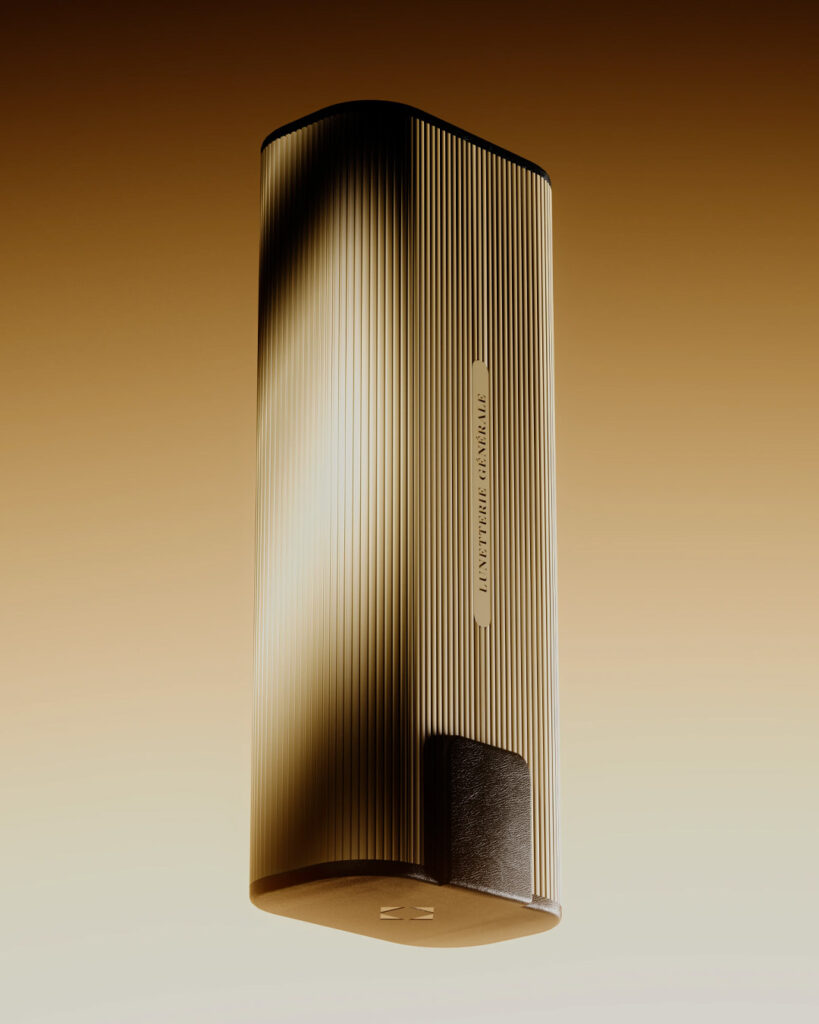
There are no exaggerated design stunts made to dominate social media for two weeks. No ideological manifestos disguised as aesthetics. No desperate attempts to scream exclusivity.
Instead, the brand built something increasingly rare: proportion, restraint and humanity.
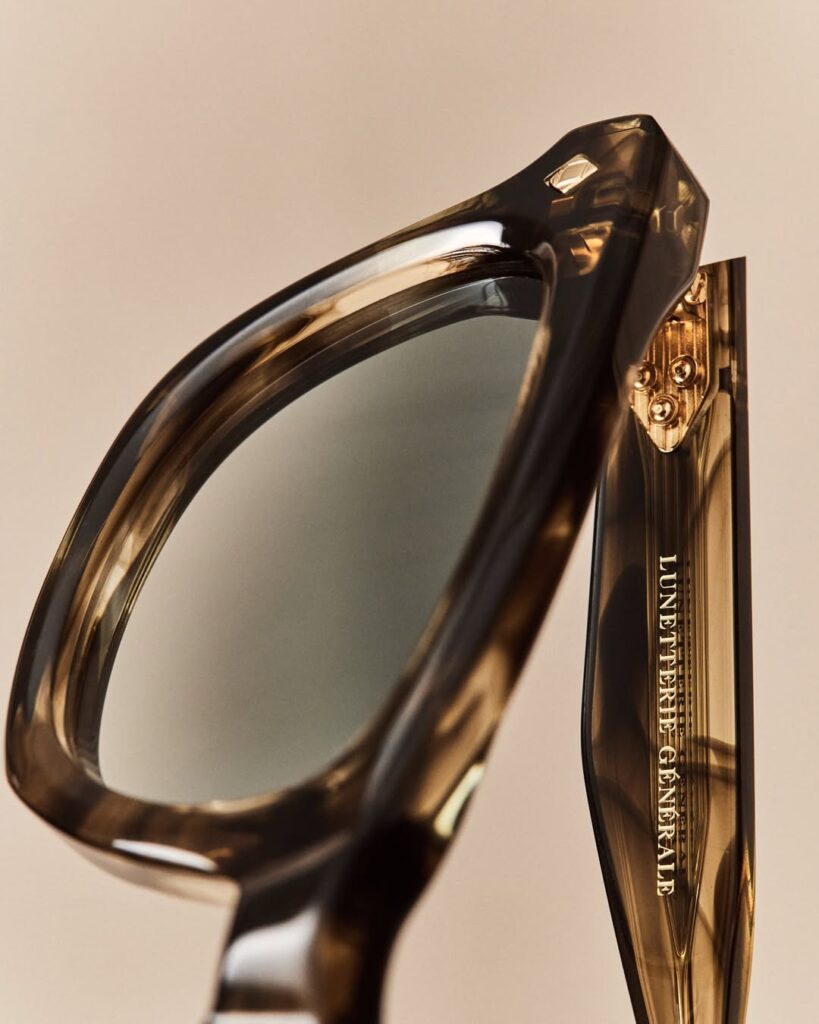
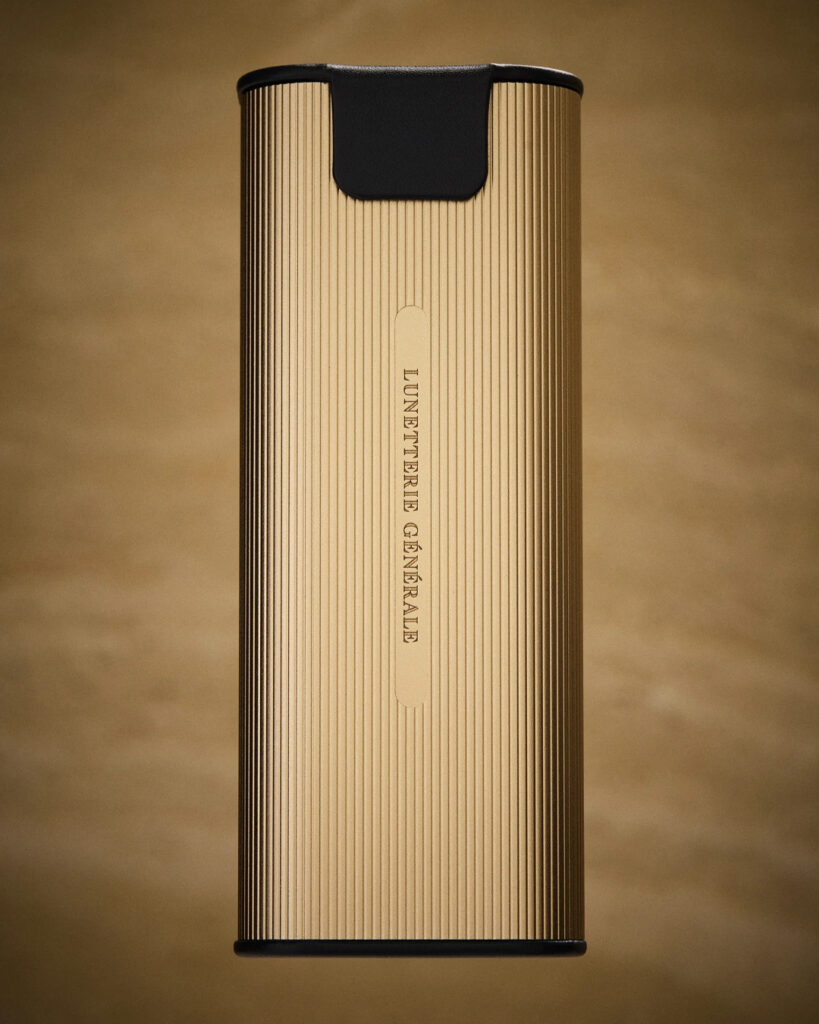
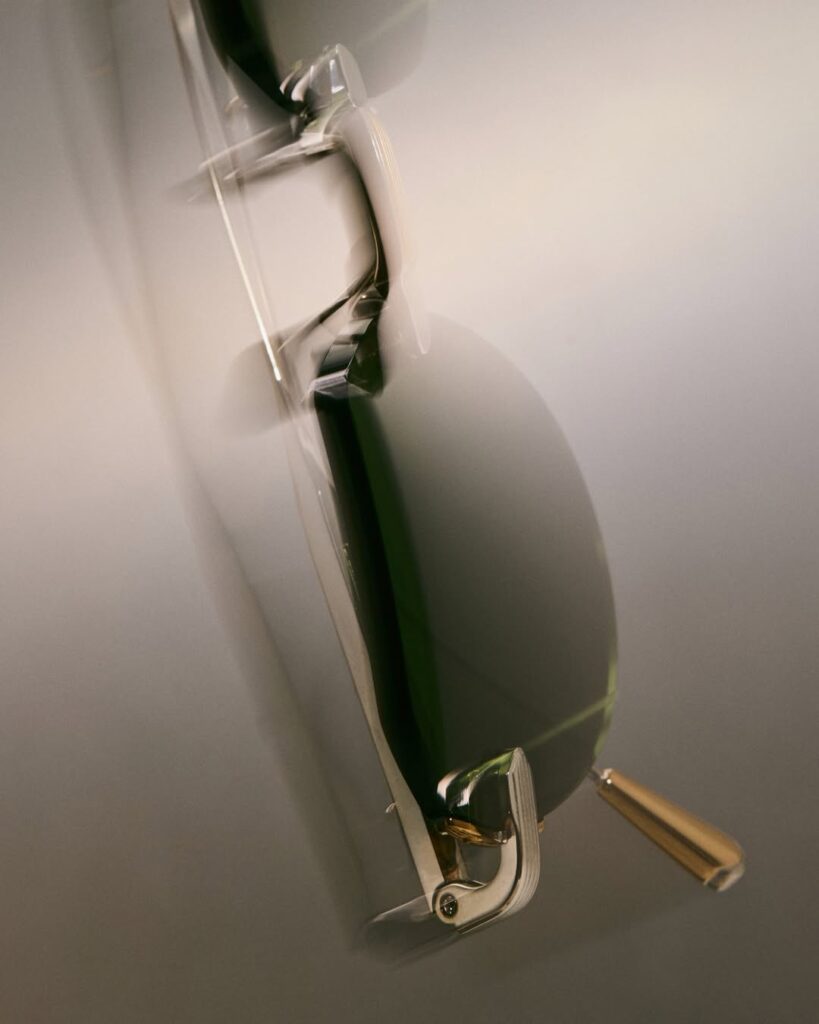
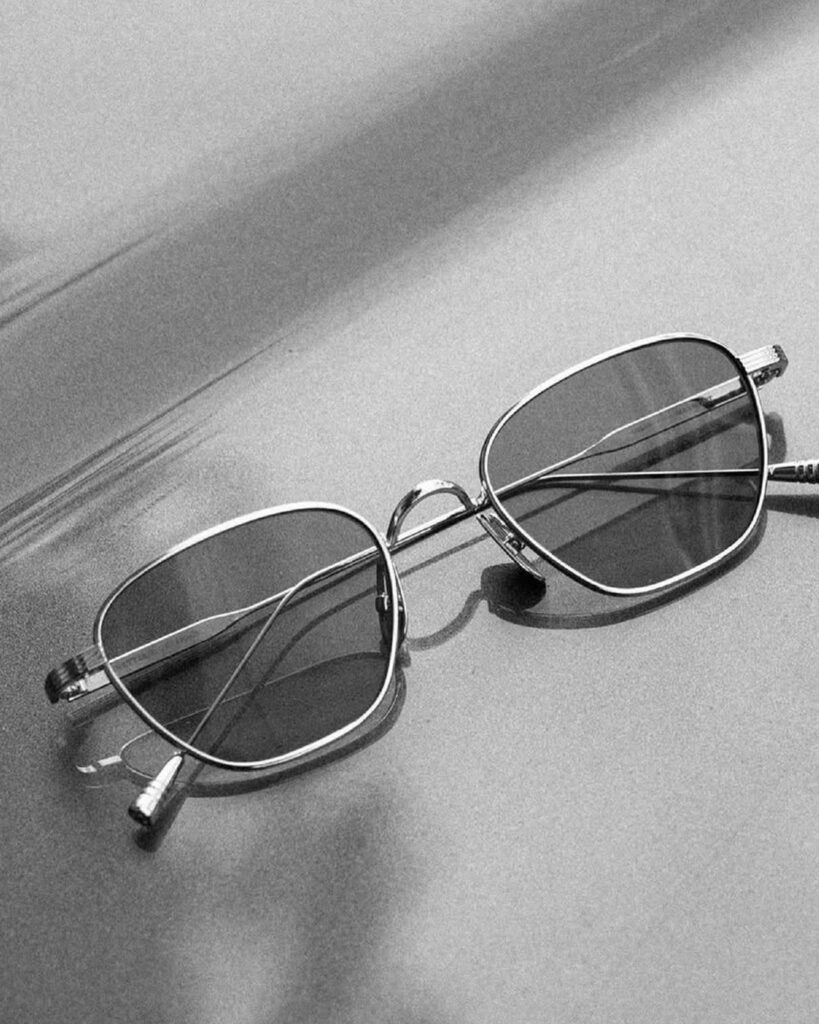
Frames feel balanced rather than aggressive. Beige tones, tactile materials, understated graphics and visual consistency create something that resembles what luxury originally meant before the term became diluted, attention, precision and emotional resonance.
Luxury isn’t supposed to feel forced.
It’s supposed to feel inevitable.
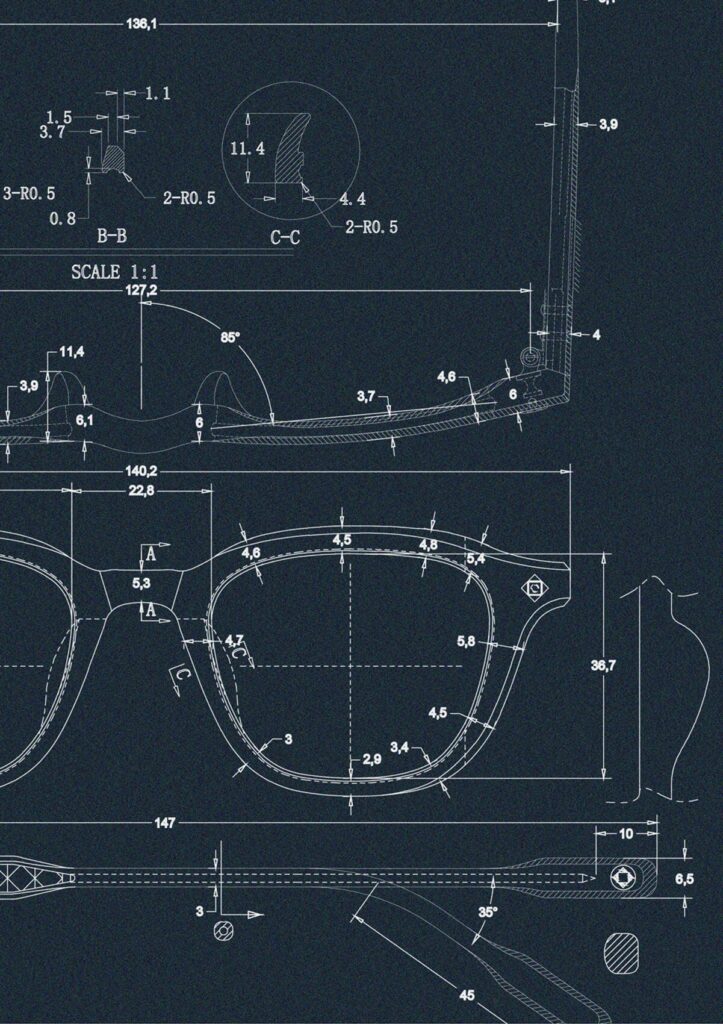
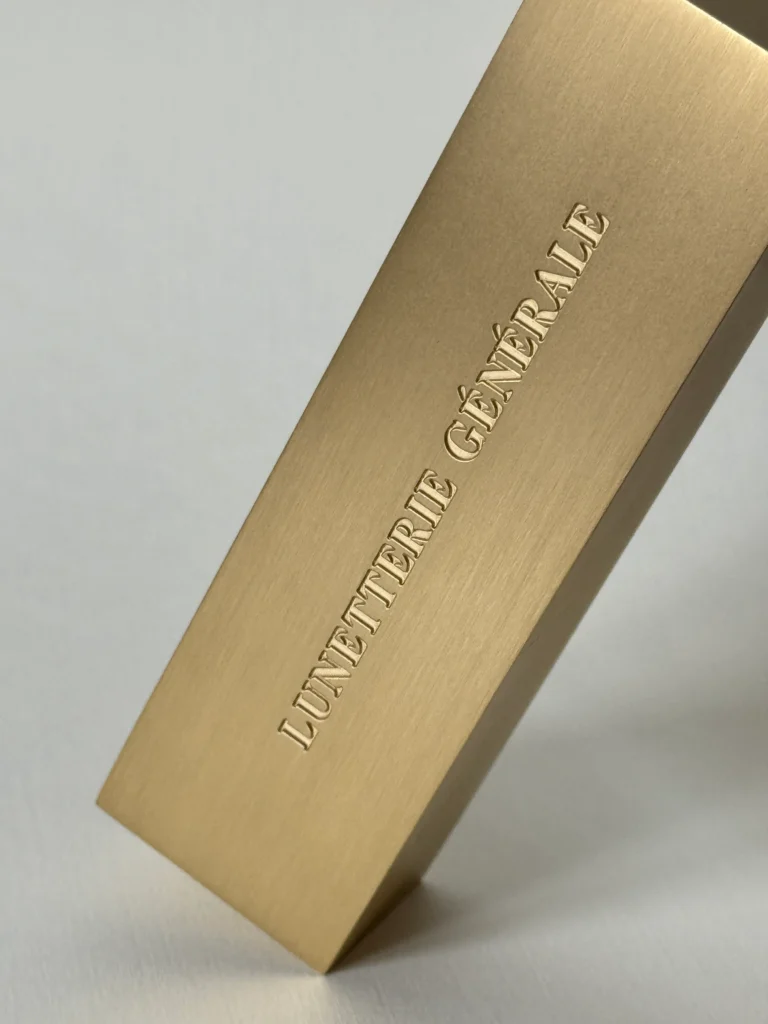
And Julien’s vision appears everywhere: packaging, typography, digital environments, illustrations and details that most consumers may never consciously notice but instinctively understand.
Because branding isn’t what a logo says.
Branding is what people feel before they even touch the product.
Lunetterie Générale understood that earlier than most.
The question isn’t why it isn’t bigger.
It’s why the industry struggled to recognize it.
Because for years, the market rewarded different things.
Sales agents searched for products with obvious visual signatures frames extreme enough to instantly create separation. Retailers often wanted celebrity association, status markers or dramatic design narratives that could be explained in thirty seconds.
Lunetterie Générale existed in another category entirely.
Its strength wasn’t spectacle.
Its strength was atmosphere.
And atmosphere is harder to sell when an industry still relies on old tools.
Opticians often weren’t educated to understand products beyond material specifications and fit. Sales systems built for previous generations struggled to explain emotional positioning. Traditional retail language couldn’t always translate what younger consumers were increasingly responding to.
Because a shift was happening.
Not inside eyewear.
Around eyewear.
A new generation wasn’t asking for products.
They were asking for identity.
They grew up on social media. On design culture. On architecture pages, mood boards, interiors and storytelling.
They weren’t separating product from experience anymore.
For them, a boutique isn’t a place to buy something.
It’s a world to enter.
And in many ways, Lunetterie Générale was designed precisely for that world.
You could imagine the brand beside a mechanical watch in a luxury space. Equally, you could see it inside a highly curated wooden boutique with carefully selected objects, books and atmosphere.
Not because it chases status.
Because it understands context.
The irony is that the industry itself often failed to create those contexts.
For years, Lunetterie Générale largely stayed away from trade shows. While others relied on industry cycles and conventional visibility systems, the brand operated differently.
Then, when it eventually entered that world, another unexpected question appeared: what if the future lies outside of it again?
Because now there appears to be a different direction emerging, not bigger fairs, not larger exhibition halls, but something far more personal: creating an independent experience around the brand itself.
A château. A destination. An environment where retailers and collaborators are invited not simply to see products, but to understand the philosophy behind them.
Because Lunetterie Générale was never built around volume or visibility for its own sake. It was built around emotional context.
While younger consumers moved toward aesthetics and digital culture, many optical spaces remained unchanged. The sector underestimated creative direction. It underestimated interiors. It underestimated the importance of social storytelling.
Most importantly, it underestimated experience.
But industries that stop evolving don’t remain still.
They split.
A new wave emerges.

New retailers appear. New brands appear. Some adapt. Others arrive already prepared.
Lunetterie Générale belonged to that second category.
Because long before everyone talked about social media strategy, digital presence and visual ecosystems, it was already investing there.
Long before everyone discussed “brand worlds,” it had built one.
The future of eyewear may not be determined by who makes the loudest frame.
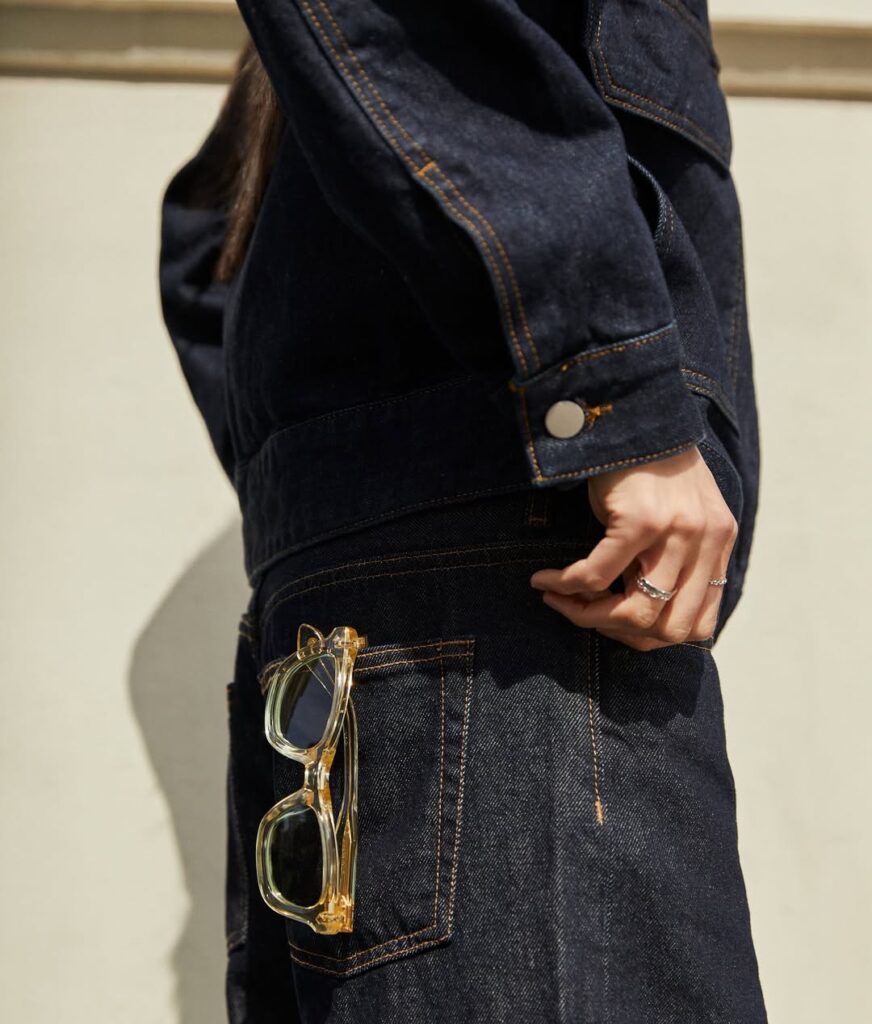
It may belong to those who understand that glasses are becoming one of the most personal products people own, objects sitting at the intersection of fashion, technology and identity.
Especially as smart glasses reshape the category.
When that future arrives, white shelves and transactional retail may begin to feel outdated.
The next generation of boutiques will likely function differently: less like clinics, more like spaces of culture and design.
Some retailers will understand this.
Some won’t.
Lunetterie Générale’s story may ultimately not be about a brand fighting for relevance.
It may be about a brand waiting for the rest of the industry to catch up.
 English
  French
  Italian
  Spanish
  Portuguese
  German
  Korean
  Japanese