

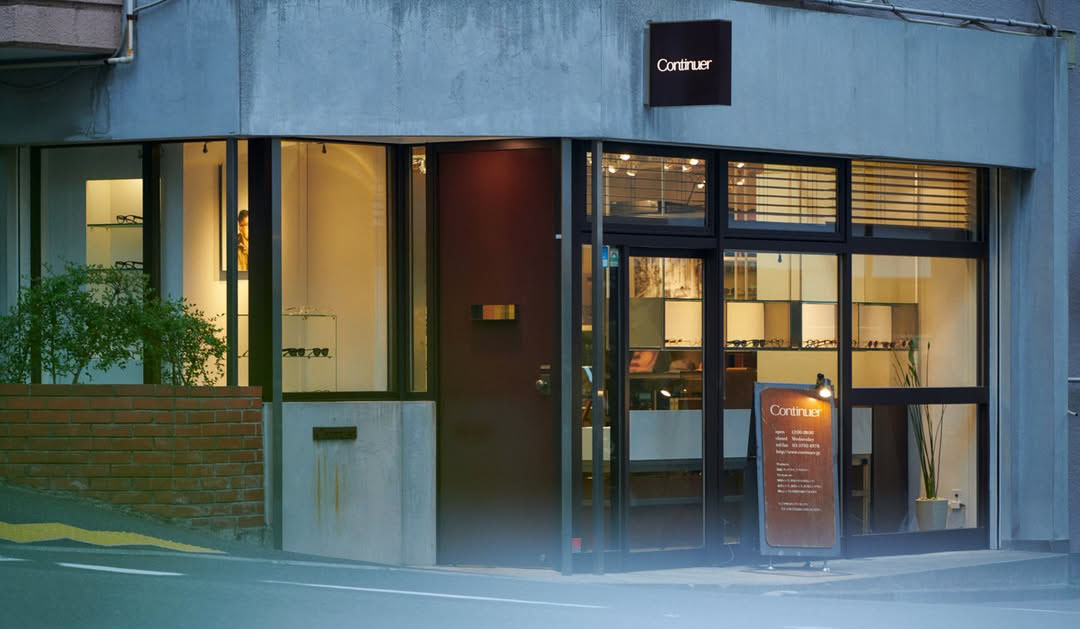
Opening an optical store today is both harder and more exciting than ever before.
Eyewear is becoming one of the products of the future. Many believe glasses will eventually evolve beyond simple vision correction and may even become the next interface replacing smartphones. At the same time, another shift is happening: premium eyewear is slowly entering the territory once occupied by Swiss luxury watches, objects collected by passionate people, pieces that communicate identity, taste, and status.
This creates an unusual opportunity.
After discussions with some of the most successful independent optical stores and luxury eyewear retailers, we identified several principles that separate ordinary stores from brands that endure.

1. Location Is Still Everything
Location remains one of the most important decisions you’ll make.
The advantage of eyewear retail is flexibility. You can create an incredible experience in 30 square meters just as easily as in 100 square meters, depending on your budget, experience, and ambitions.
Accessibility matters, but think long-term. If possible, owning the location instead of renting creates a powerful asset. Paying a mortgage instead of endless rent means that while your brand grows, your space grows with it.
Your location should become part of your story.
2. Build a Brand, Not a Store
Many entrepreneurs focus on opening a shop.
The successful ones build a brand system.
Your name, logo, visual identity, website, social media presence, tone of voice, and customer experience should feel consistent and recognizable. A strong brand gives you freedom: freedom to expand into other locations, freedom to relocate, and most importantly, freedom for customers to follow you wherever you go.
Before opening, create a clear strategic plan with a creative director or branding agency.
Because customers remember stories, not square meters.
3. Design an Experience, Not a Clinic
Forget the traditional sterile white optical space.
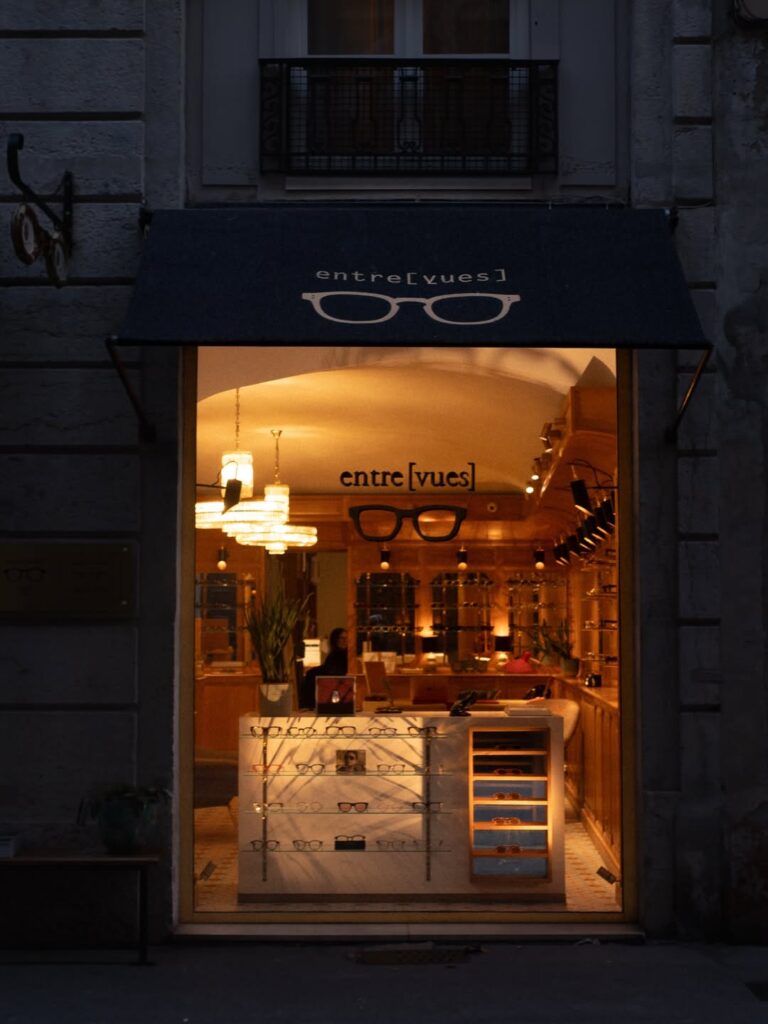
People don’t want to enter a clinic anymore. They want to enter a world.
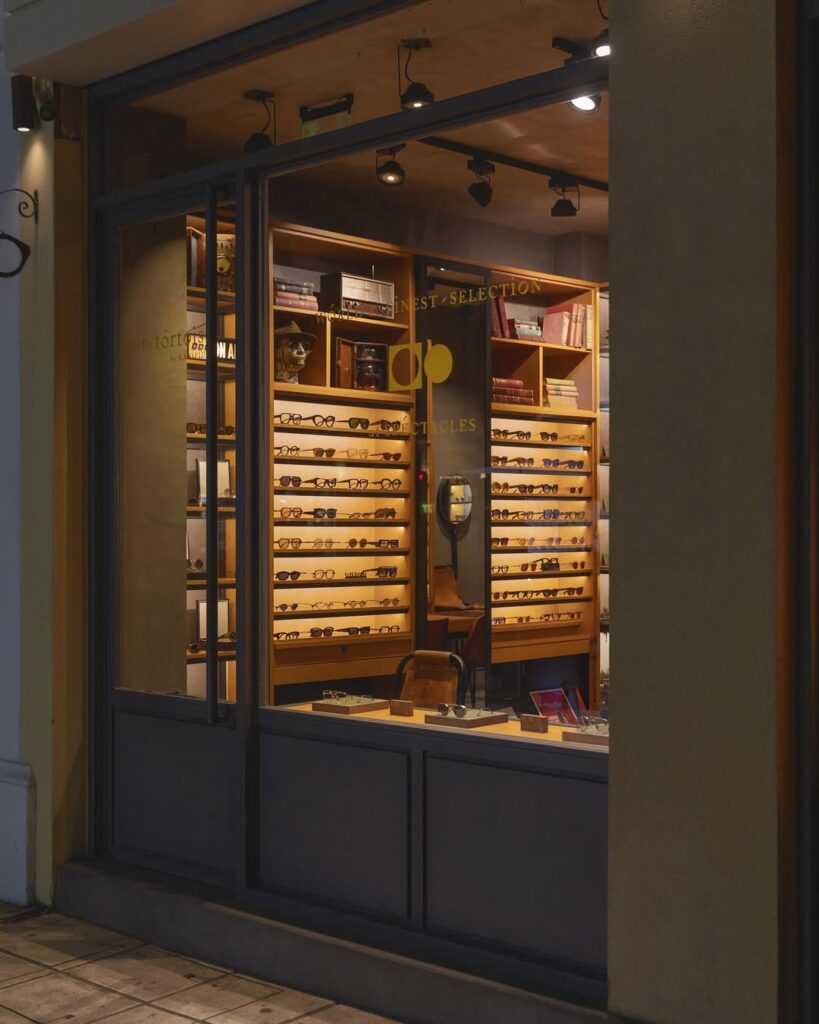
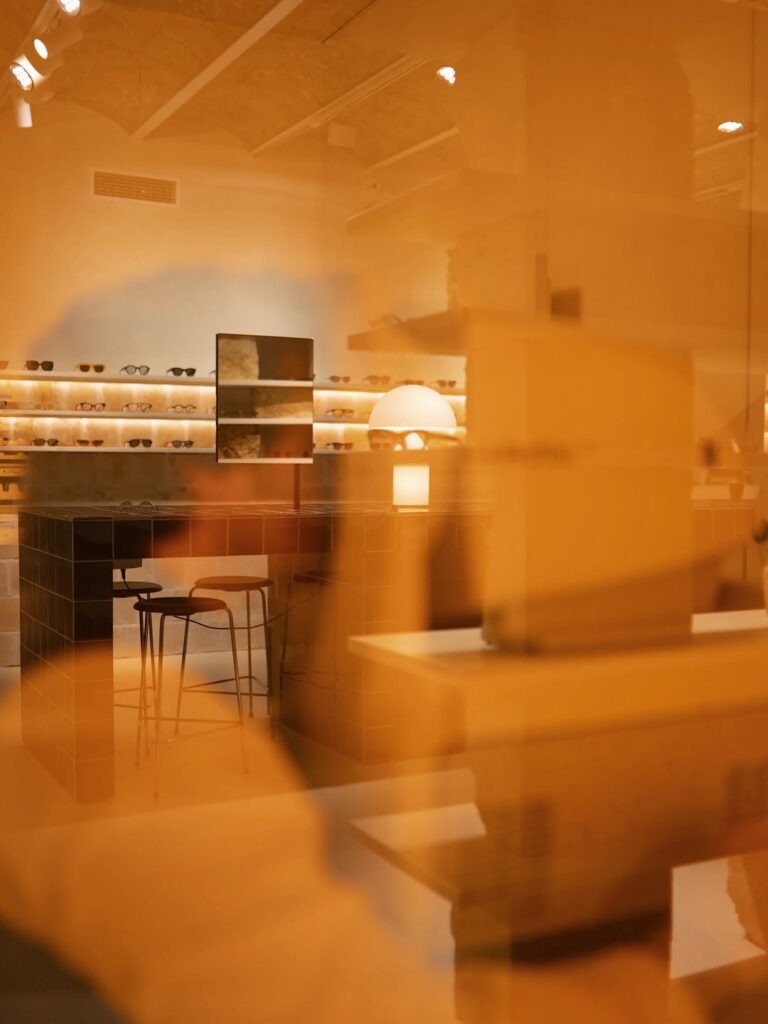
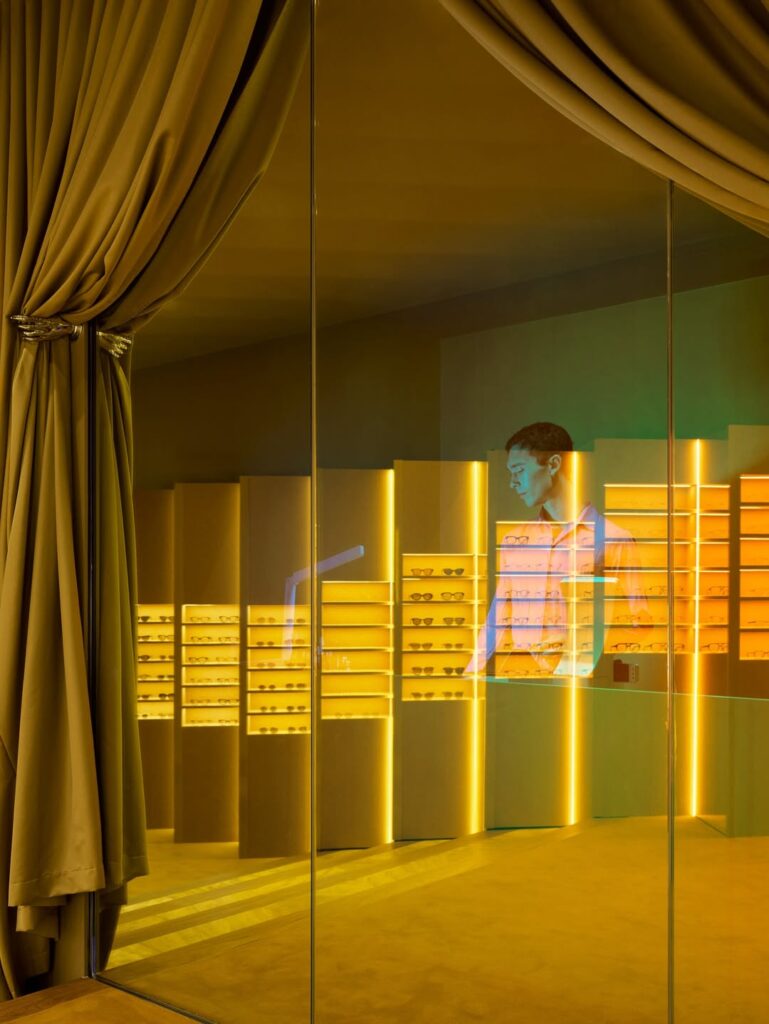
Create a boutique experience. Build a narrative and a personality around your space. Materials matter: wood, stone, marble, textures, lighting, details.
Design should not be expensive for the sake of being expensive; it should feel intentional.
Calculate your investment realistically and work with an architect or interior designer early in the process.
The goal isn’t decoration.
The goal is emotion.
4. Curate Your Portfolio Carefully
Stop chasing famous names.
Search for independent brands, unique collections, and labels that nobody else in your city carries.
Less is more.
Avoid overcrowding your store with dozens of brands and endless inventory. If your space is limited, keep your selection under 15 brands and avoid purchasing more than approximately 25–45 frames per brand.
Overstock kills cash flow.

Eyewear can be one of the rare retail categories where products do not necessarily lose value over time. Certain collections and limited editions behave more like wine or collectible watches.
Build direct relationships with brands whenever possible rather than relying exclusively on distributors. Long-term relationships can create better negotiation opportunities, friendly payment terms, exclusive collections, and unique collaborations.
5. Presentation Is Everything
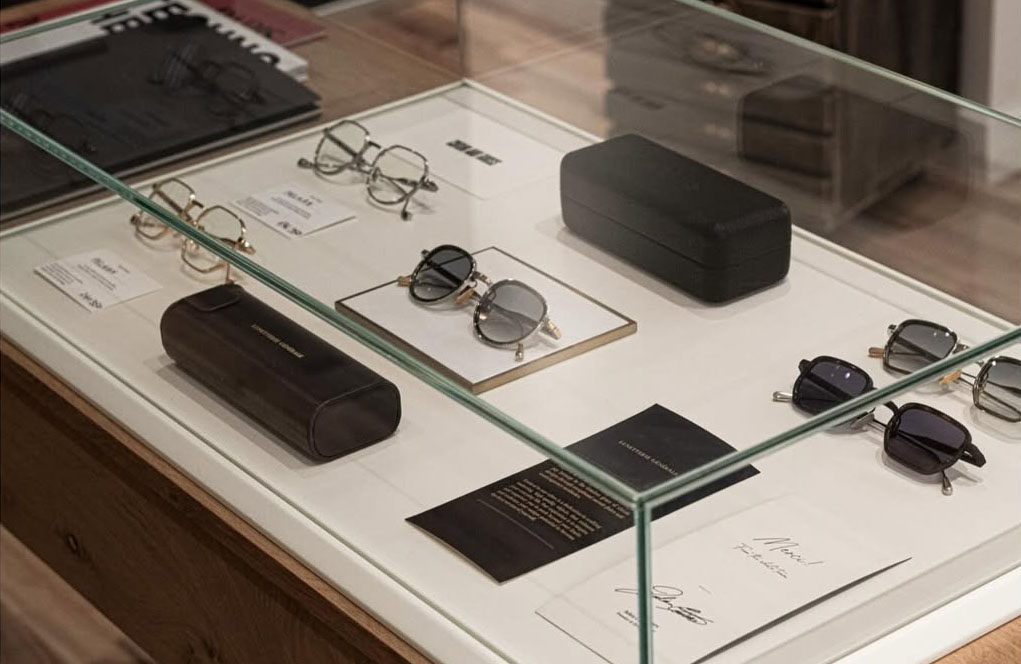
Light changes everything.
Shelf lighting, mirrors, display composition, every detail influences perception.
Do not overload shelves with frames.
Luxury watch boutiques understand something important: customers don’t want chaos. They want guidance.
Keep inventory organized in drawers and curated selections visible. Sit clients down, create conversation, and guide them through the experience.
Selling frames should feel like personal curation.
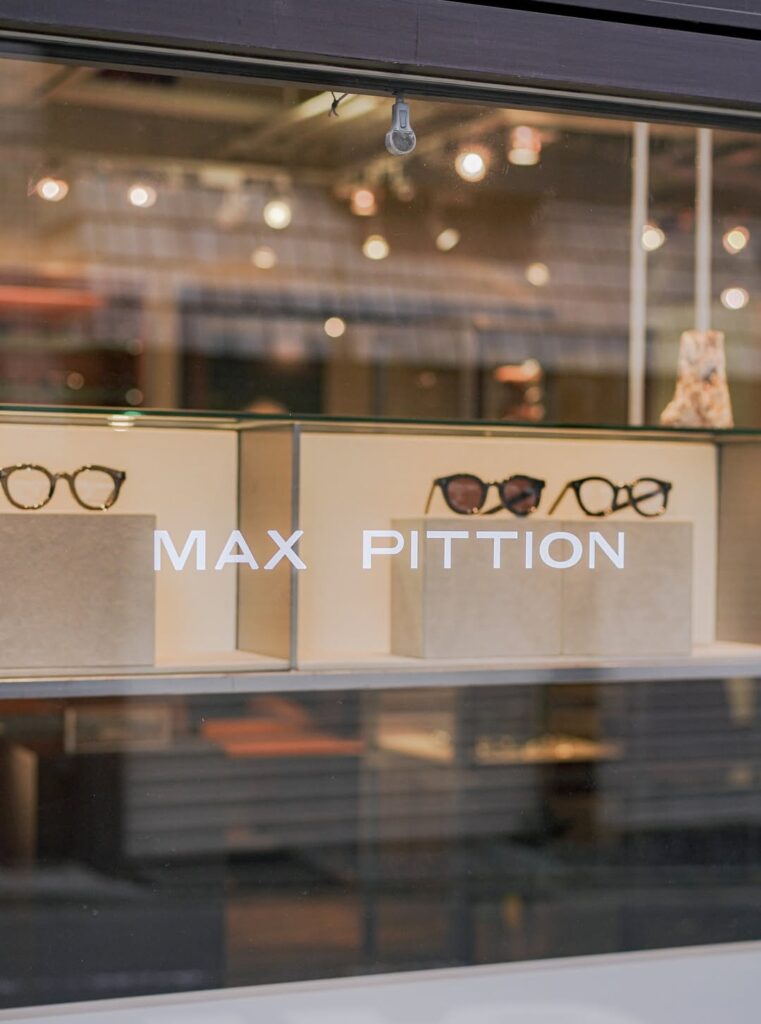
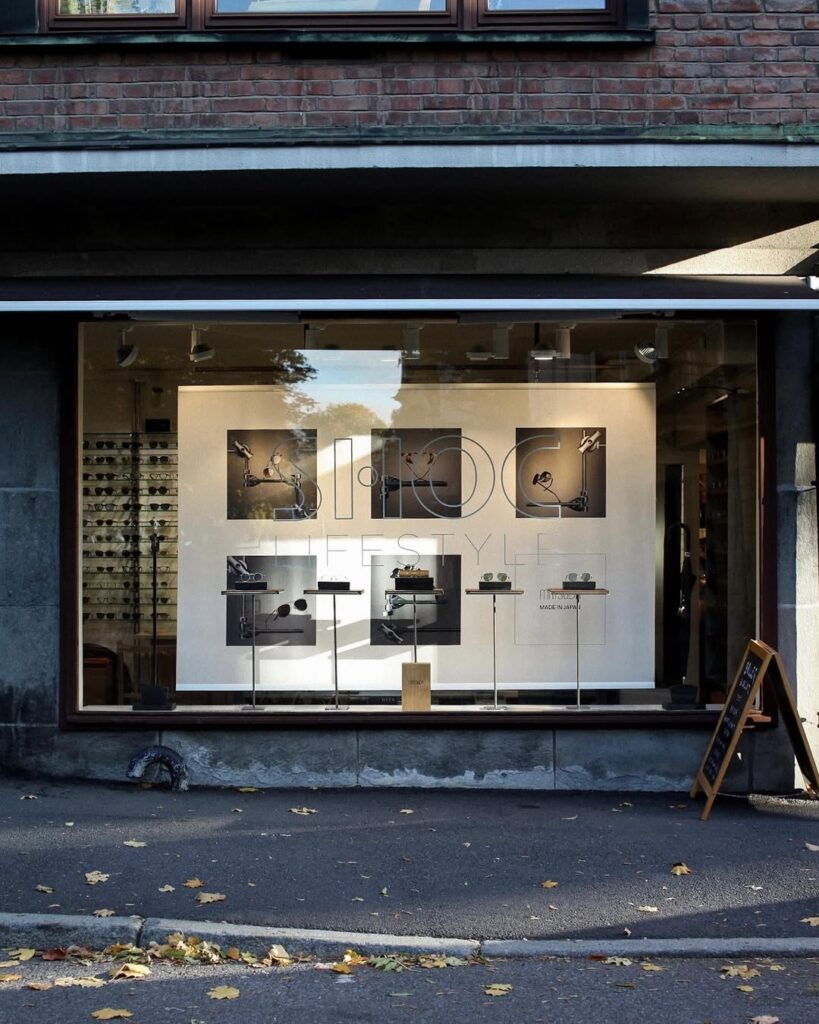
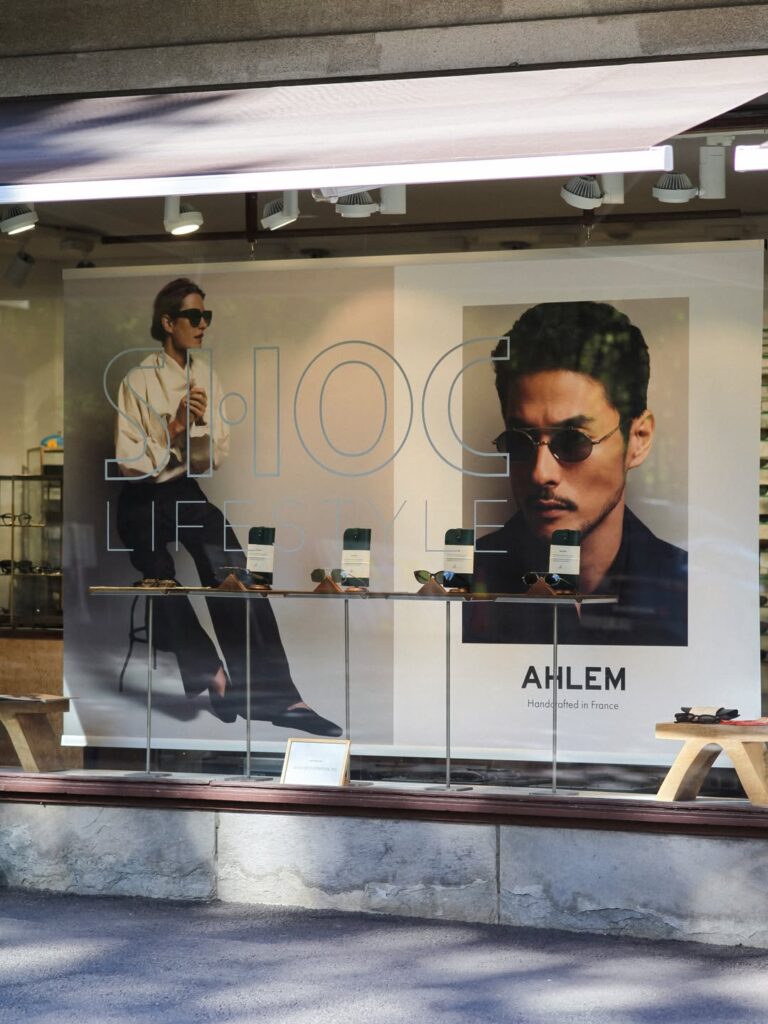
The storefront is extremely important. Try to refresh it every 2–3 months by featuring a different brand from your portfolio and giving each one the visibility it deserves.
This approach helps build stronger partnerships with the brands you carry while also turning your storefront into a platform that introduces new brands and stories to people passing by. A well-curated window display doesn’t simply attract attention, it creates curiosity and keeps your store feeling alive and constantly evolving.
6. Choose Exceptional Lens Partners
Frames attract customers.
Lenses create trust.
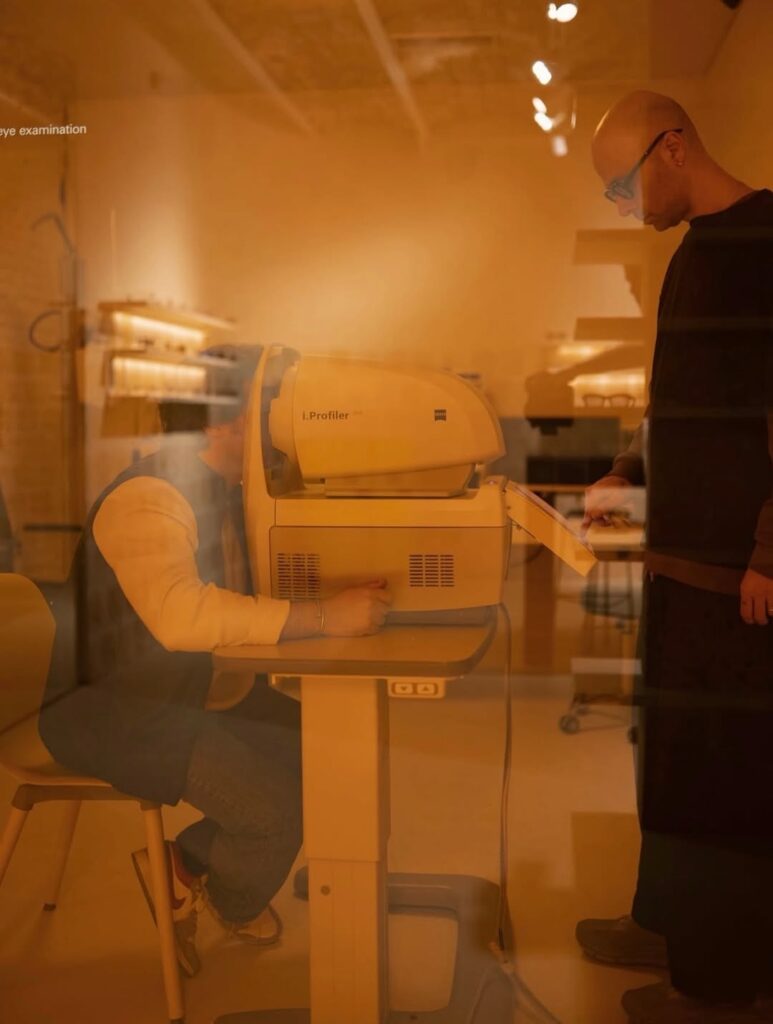
Work with high-quality lens partners and reliable laboratories. Independent lens manufacturers often provide exceptional quality and flexibility.
Whenever possible, work with high-quality and trusted manufacturers such as Leica, Eyetech, or ZEISS.
Lens quality plays a critical role in the customer experience, and reliable production and delivery times become an essential part of your business reputation.

7. Your Team Becomes Your Brand
Staff training is not optional.
How your team speaks, dresses, behaves, and presents themselves should reflect your identity.
Luxury brands understand uniformity. Walk into a high-end fashion store and you’ll notice consistency immediately.
Neutral colors, clean presentation, and impeccable service matter.
People remember people.
8. Track Everything
Data matters.
Customer feedback, appointment systems, inventory management, sales predictions, website performance, and stock movement should all be measured.
The optical industry still lacks perfect modern systems for smaller businesses, but digital infrastructure is becoming essential.
If you can’t measure it, you can’t improve it.
9. Marketing Is the Long Game
This is where most people underestimate reality.
You should prepare operating capital for at least 6–12 months before opening.
Eyewear can produce strong margins, but it is not an easy product category. Customers need trust before they buy.
Avoid creating a store filled with products that will appear online at heavy discounts six months later.
Support independent brands like yourself. Emerging brands need partners willing to build together.
Because at the end of the day, remember one thing:
You are not building a store.
You are building a name.
10. Build Credibility and Create Healthy Marketing
Credibility is not built through advertising alone, it is built through community.
Start by creating a loyal customer base from day one. Collect customer emails and build a newsletter ecosystem by offering small incentives such as 5–10% discounts or early access benefits. Your database becomes one of your most valuable long-term assets.
Create events with the brands you represent and invite your customers into those experiences. Transform your store from a retail space into a destination. Organize product launches, private presentations, or exclusive evenings where customers can discover collections and meet the stories behind them.
Reward loyalty with special drops, unique editions, and limited releases available only to your community. Exclusivity creates connection.
Your team also becomes part of your marketing strategy. Staff should wear and genuinely believe in the brands they sell. People trust what they see. Customers naturally connect with authentic recommendations from people who actually use and wear the products themselves.
Finally, think beyond eyewear.
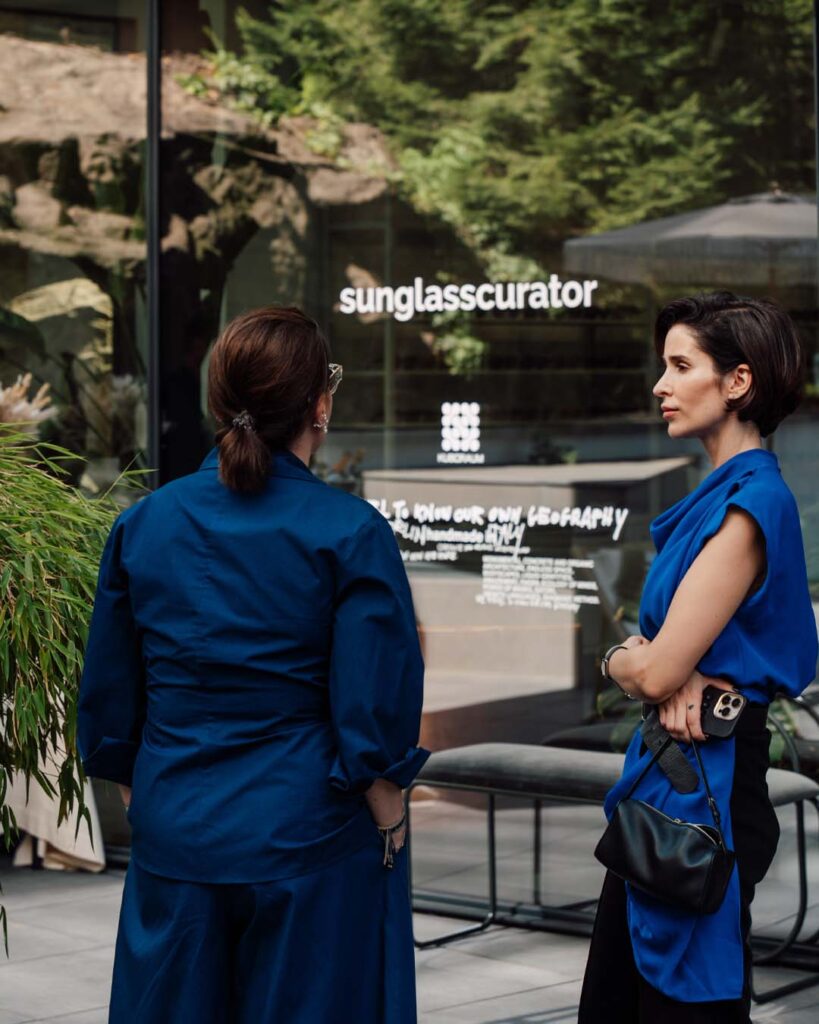
Collaborate with artists, photographers, designers, and local creatives. Host exhibitions, cultural gatherings, or creative experiences inside your space. The most memorable stores are not simply places where products are sold, they become cultural hubs where people want to return even when they are not shopping.

11. Collaborate with Local Businesses Around You
Strong businesses rarely grow alone. Build relationships with local businesses in your area and create a network that benefits everyone.
You can recommend exceptional restaurants, cafés, hotels, or cultural spots to your customers, especially if your store is located in a tourist area. In return, a respected restaurant or café can recommend your boutique to its customers looking for unique experiences nearby.
The goal is not simply generating sales.
The goal is building a community.
Independent businesses become stronger when they support each other. Simple tools such as flyers, business cards, small guides, or curated local recommendations can create meaningful connections between brands.
Because even in a digital world, word of mouth remains one of the most powerful forms of marketing.



 English
  French
  Italian
  Spanish
  Portuguese
  German
  Korean
  Japanese