


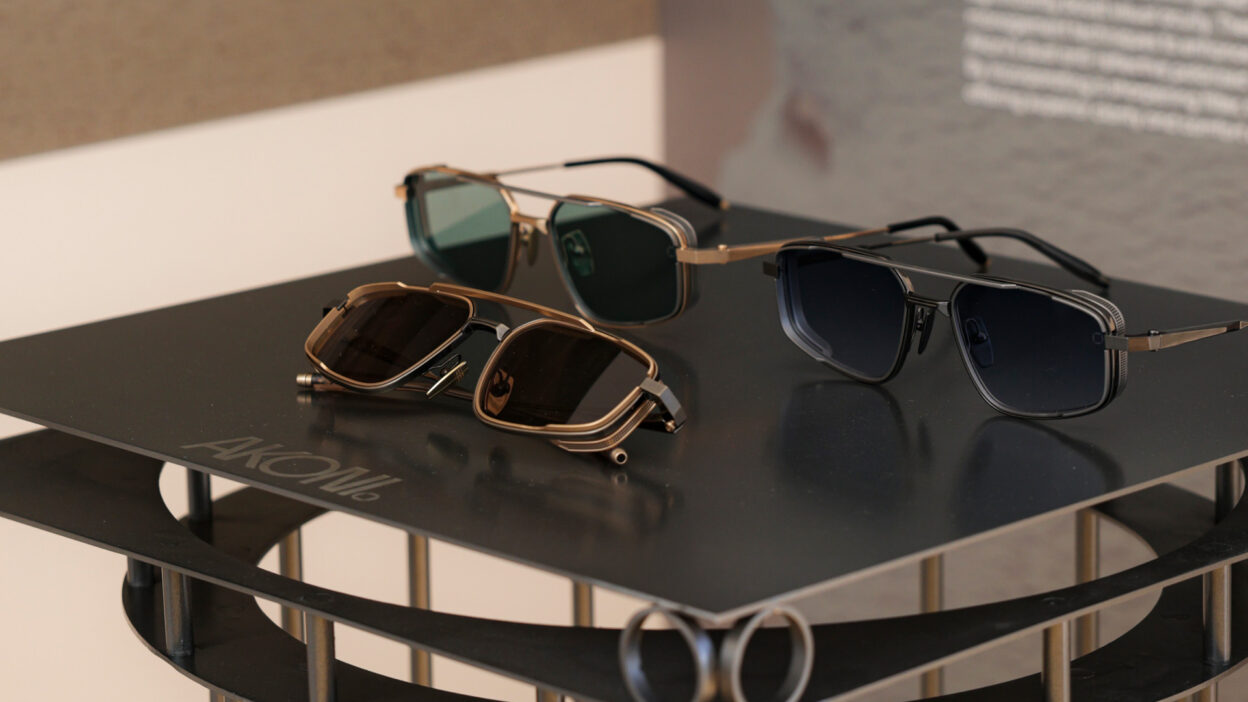
For decades, the eyewear industry has followed a familiar formula. Brands create products, present them to opticians, and rely on retail partners to connect frames with the right customers. The assumption has always been straightforward: the optician becomes the bridge between the brand and the consumer.
But luxury culture has changed.
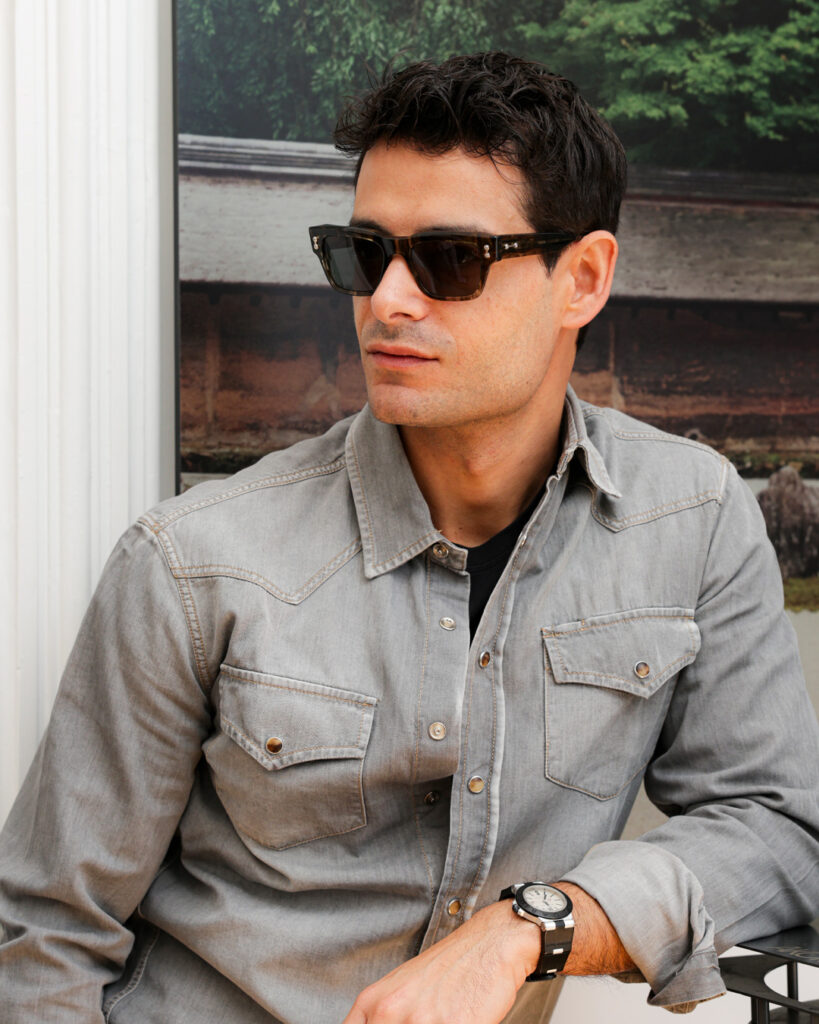
Today’s consumer no longer discovers brands exclusively inside a retail environment. People discover identities, communities, aesthetics, and aspirations long before they enter a store. Fashion, automotive culture, design, music, technology, and niche subcultures increasingly shape purchasing decisions. The final customer is not waiting to be introduced to a brand; they are actively choosing what world they want to belong to.
This creates an important question for the eyewear industry: should brands continue speaking primarily to opticians, or should they invest more heavily in building relationships directly with the people who eventually wear their products?
Some brands have already understood where culture is moving.
AKONI is one of them.
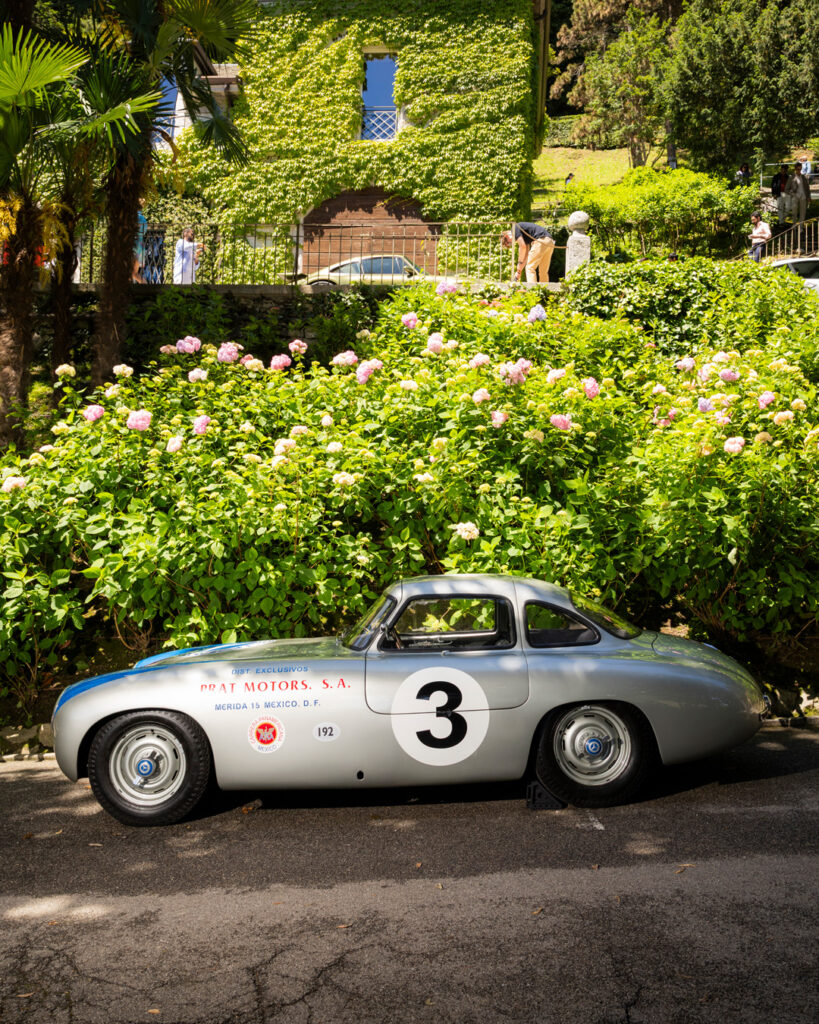
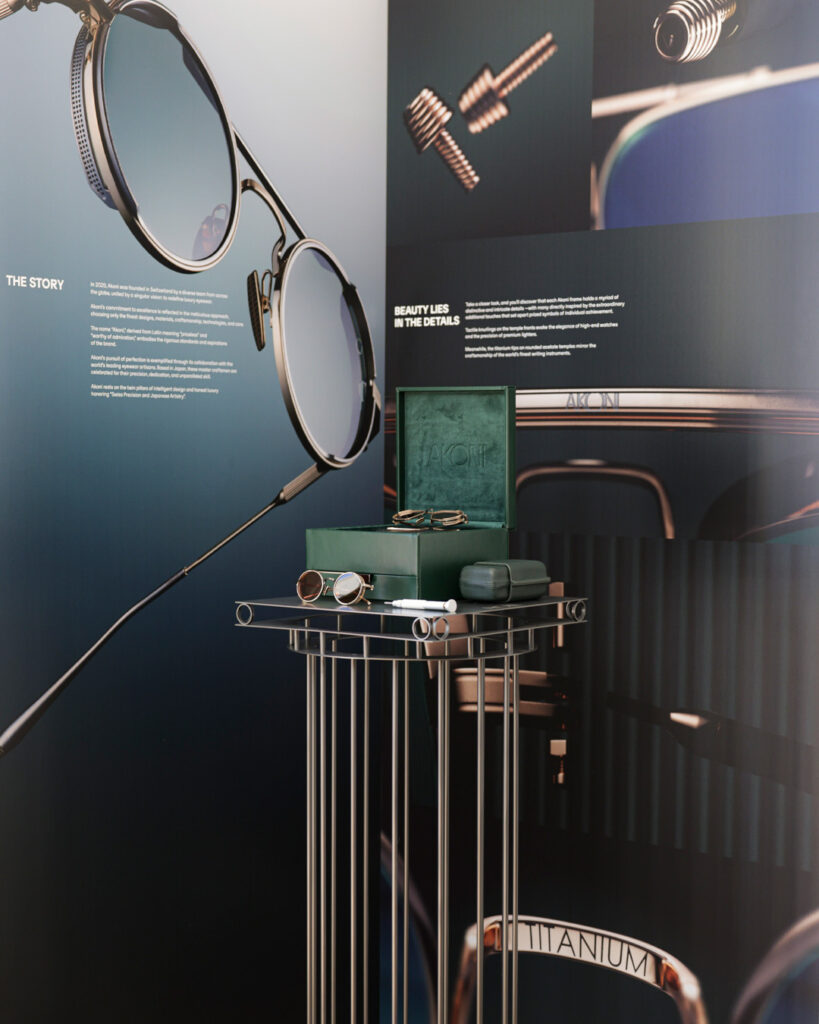
At FuoriConcorso 2026 on Lake Como, during the event’s “KraftMeister” edition, AKONI did something increasingly rare in eyewear. Rather than simply presenting products, the brand created an immersive experience designed around a broader cultural language. Precision engineering, automotive performance, Japanese artistry, and contemporary design became part of a larger narrative rather than isolated product attributes.
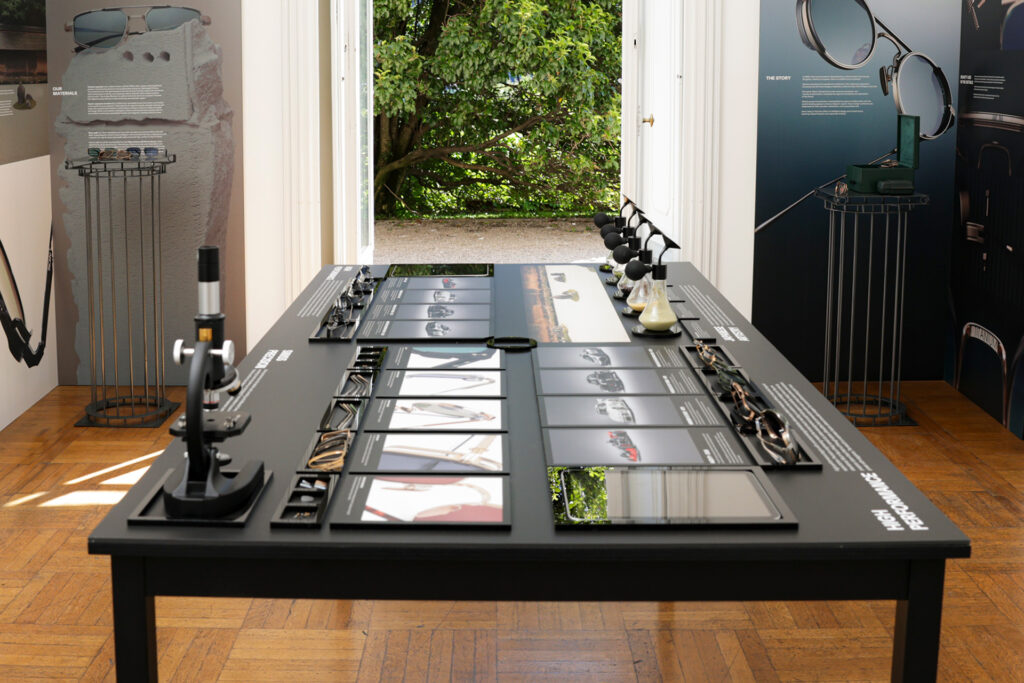
The significance wasn’t simply about exhibiting eyewear.
It was about positioning the brand inside an ecosystem that already resonates with a specific audience.
Collectors, design enthusiasts, automotive purists, creatives, and luxury consumers weren’t interacting with products placed on shelves; they were entering a world. AKONI understood that luxury today isn’t only defined by craftsmanship. It is defined by context.
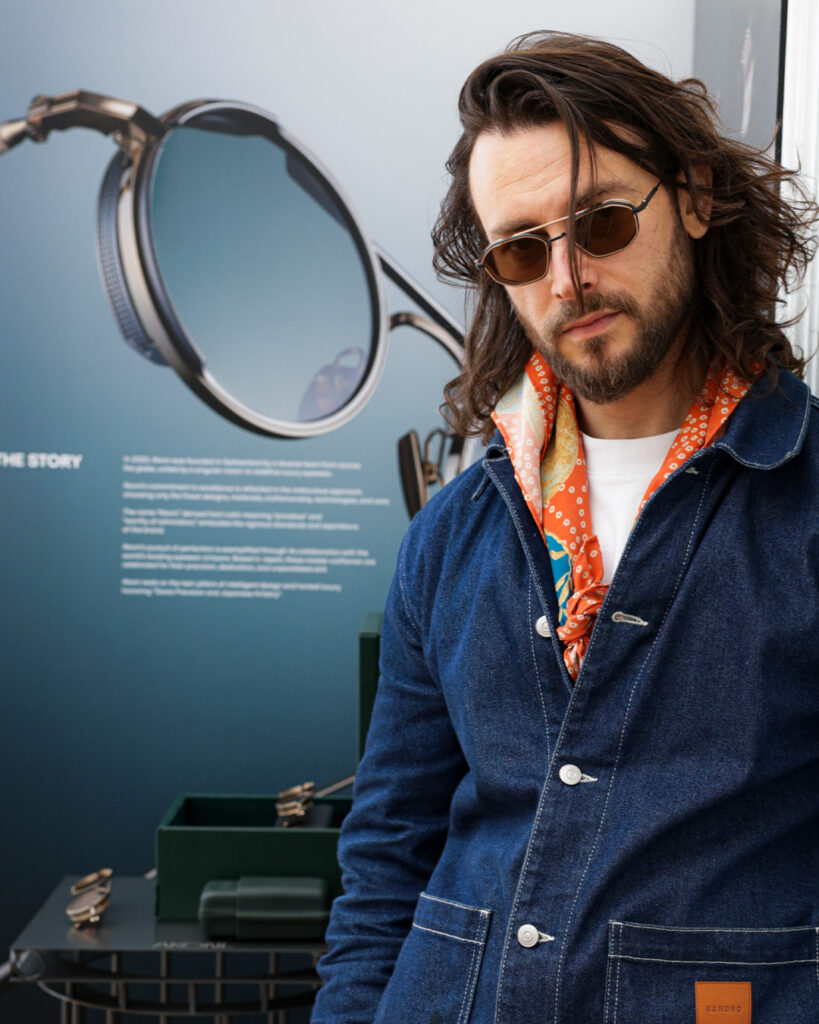
This is where many eyewear brands still hesitate.
The true effort isn’t convincing an optician to stock a frame. The true effort is creating emotional relevance with the final customer. If consumers walk into an optical store already identifying with a brand’s values, aesthetic language, and cultural positioning, the conversation changes entirely.
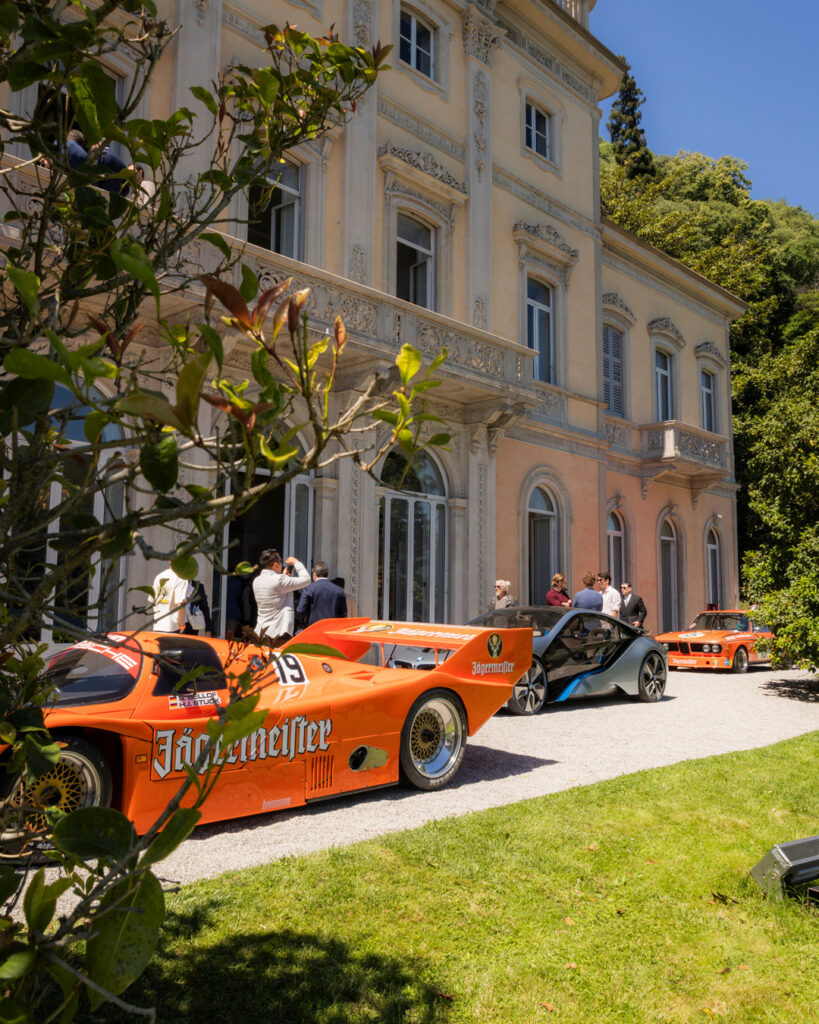
The optician remains essential, perhaps more than ever, but the dynamic evolves. Instead of introducing a customer to a brand, they become the final touchpoint in an already established relationship.
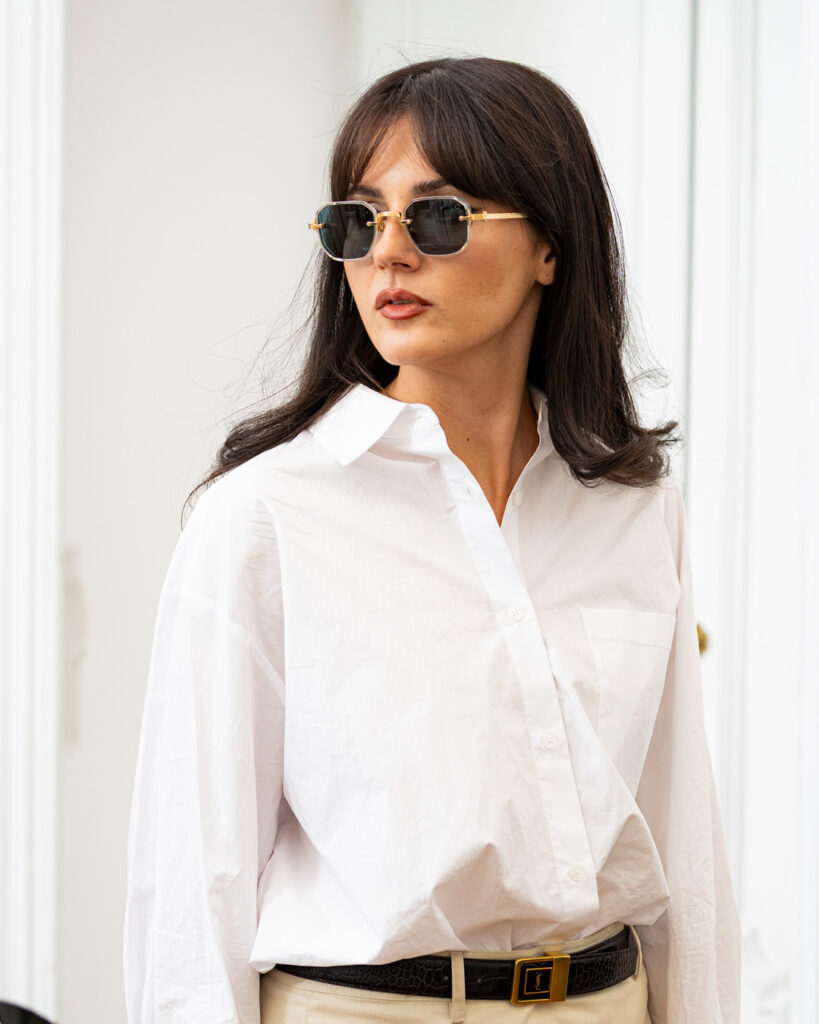
Luxury consumers increasingly move through communities and subcultures. Some are obsessed with automotive design, others with architecture, independent fashion, craftsmanship, watches, technology, or art. Brands capable of entering these spaces authentically gain something far more valuable than visibility: they gain cultural presence.
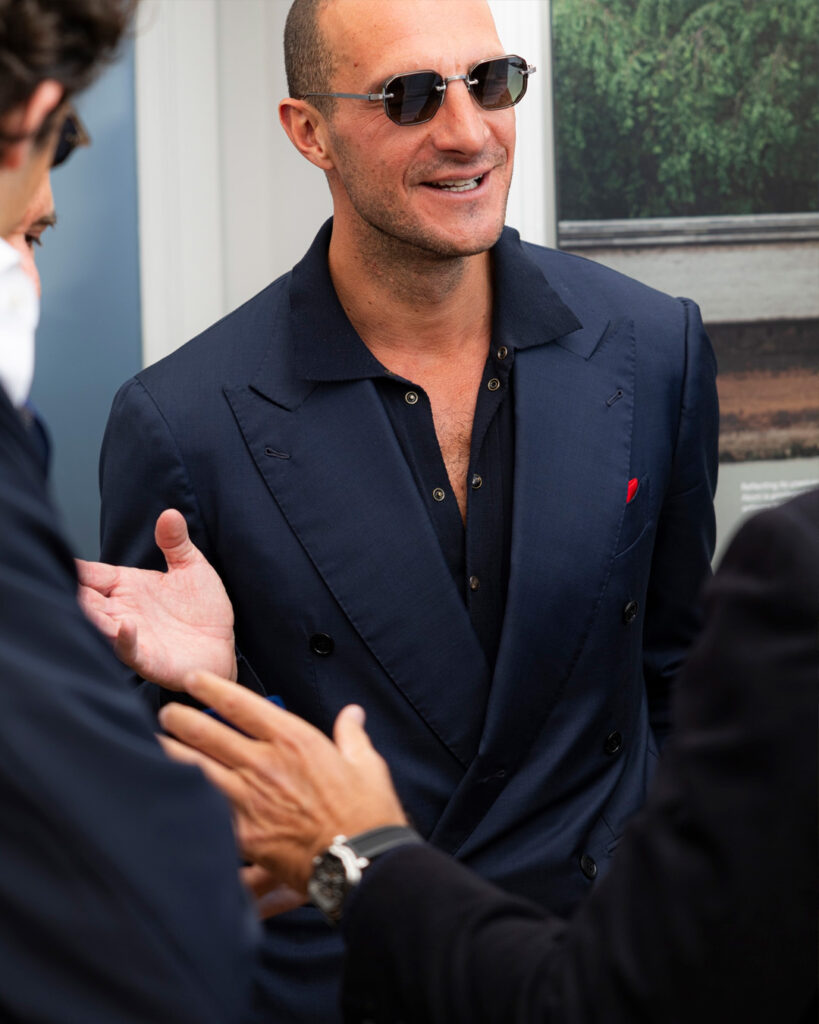
AKONI’s presence at FuoriConcorso feels like an example of where the future of premium eyewear may be heading.
Because the next generation of successful eyewear brands may not simply sell glasses.
They will build worlds people want to belong to.

 English
  French
  Italian
  Spanish
  Portuguese
  German
  Korean
  Japanese