


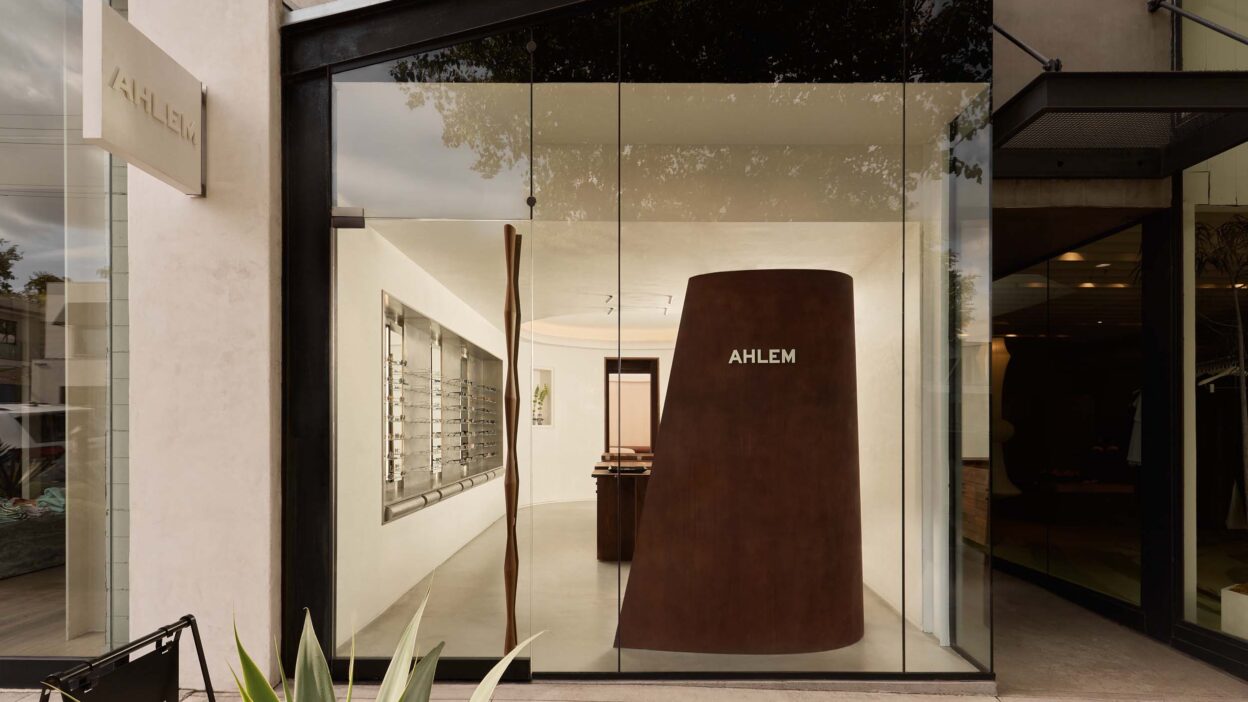
A brand is no longer defined only by its products. The most memorable brands create worlds, immersive environments where every detail communicates a philosophy, a mood, and a way of seeing life. Space has become one of the most powerful storytelling tools a brand can own.
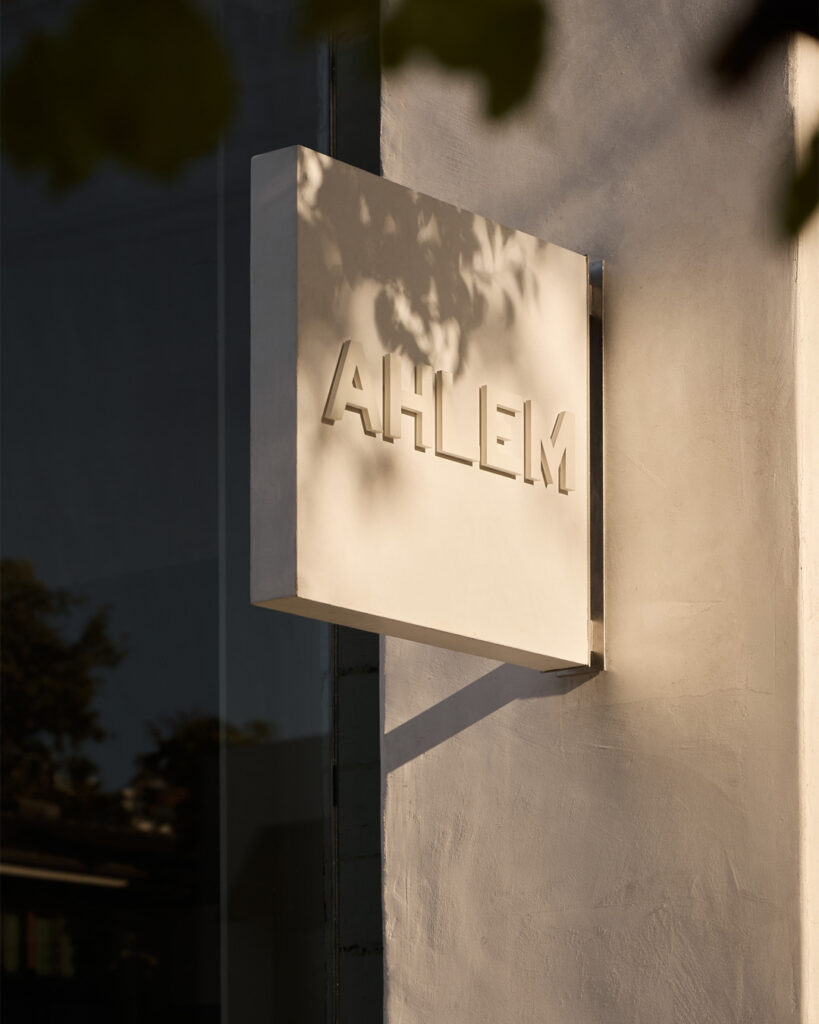
Few recent projects illustrate this better than the new AHLEM Melrose atelier in Los Angeles, a space designed not simply as a retail destination, but as an architectural extension of the brand itself.
For contemporary brands, especially in fashion, eyewear, and design, physical space is no longer about display alone. It is about emotion. Atmosphere. Memory. The feeling someone carries with them long after they leave.
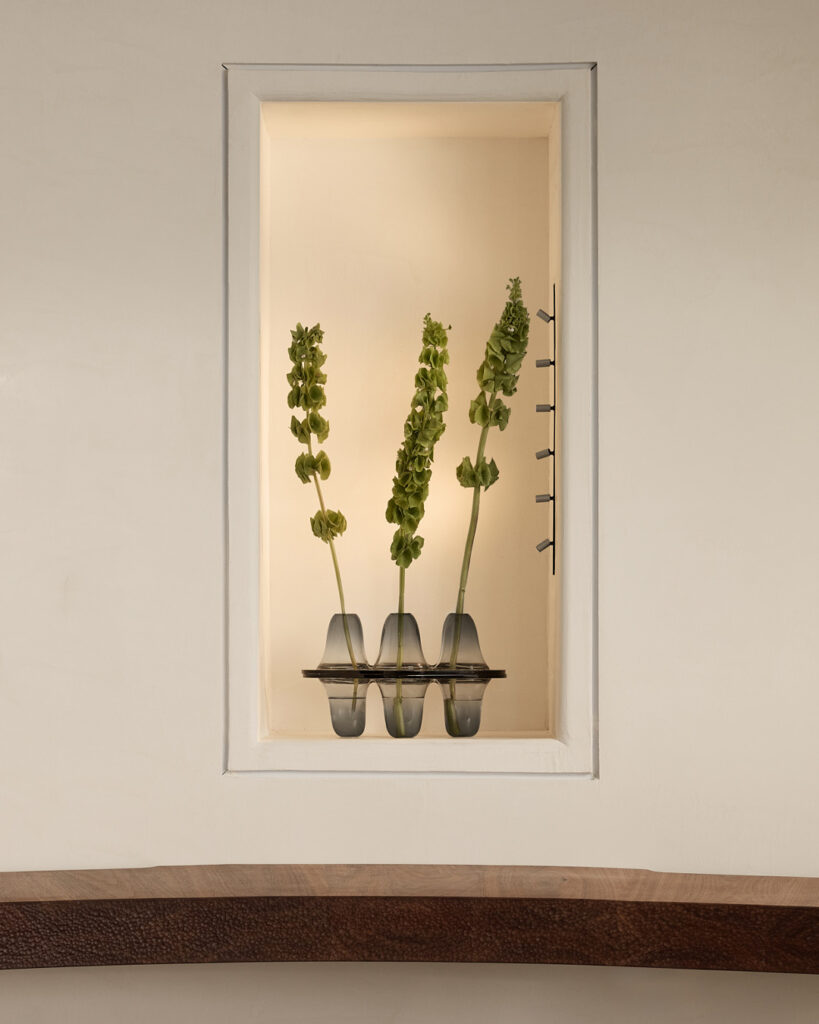
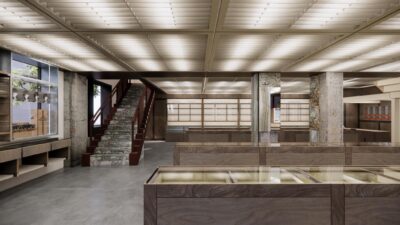
AHLEM’s collaboration with architect Maja Bernvill explores exactly this idea. Inspired by the work of Austrian-American modernist Rudolph Schindler and the artistic philosophy of Hiroshi Sugimoto, the atelier becomes a dialogue between light, material, geometry, and silence. Instead of overwhelming visitors with visual noise, the space embraces restraint, allowing texture, proportion, and natural light to speak quietly but powerfully.
That restraint is important.
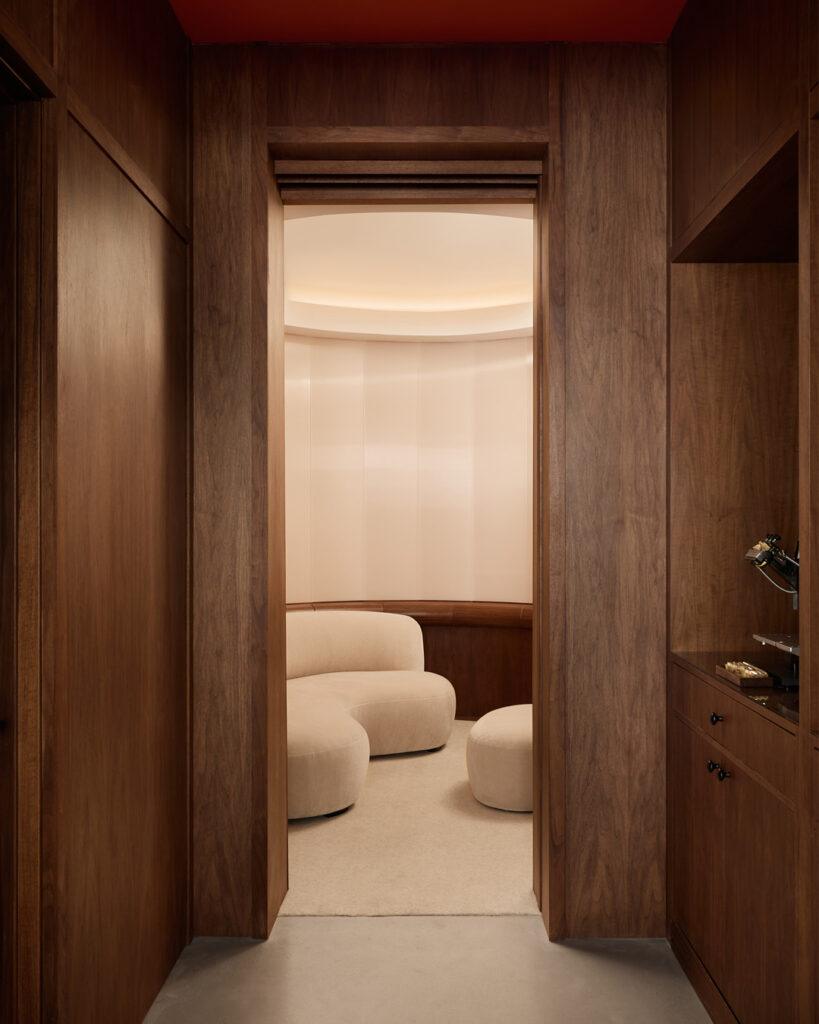
Luxury today is shifting away from excess and moving toward intentionality. Consumers are increasingly drawn to brands that feel authentic, calm, and emotionally intelligent. A thoughtfully designed space communicates these values instantly, often before a single word is spoken.
Architecture shapes perception.
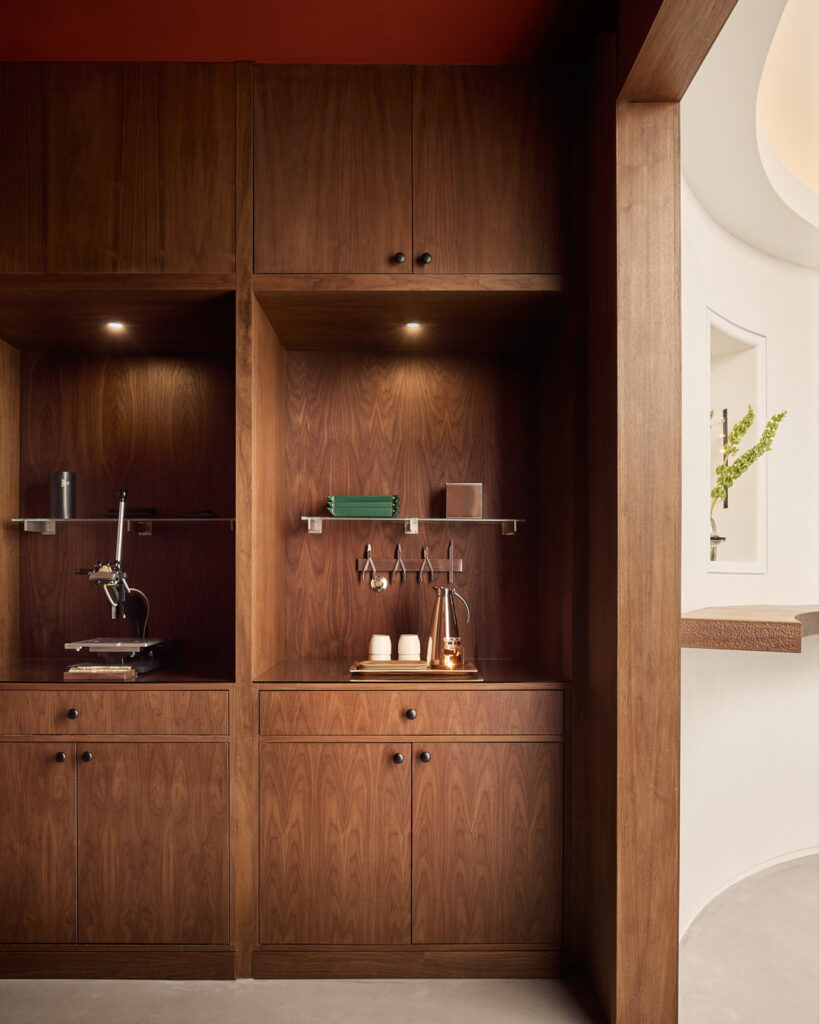
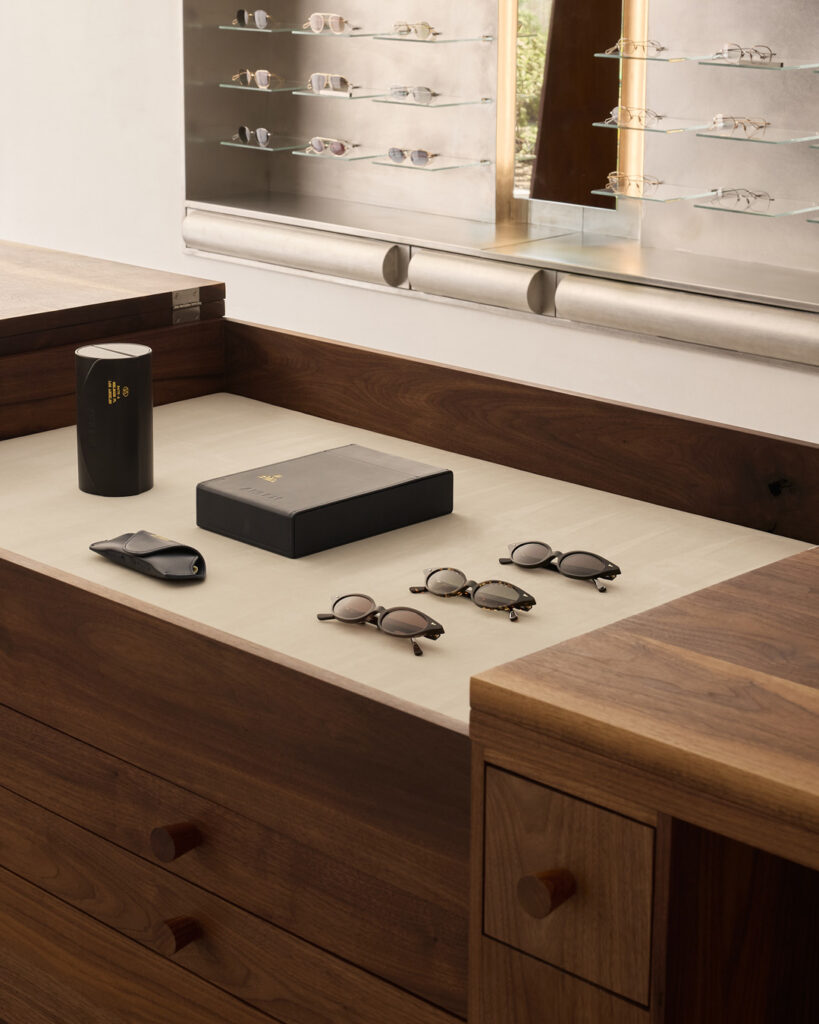
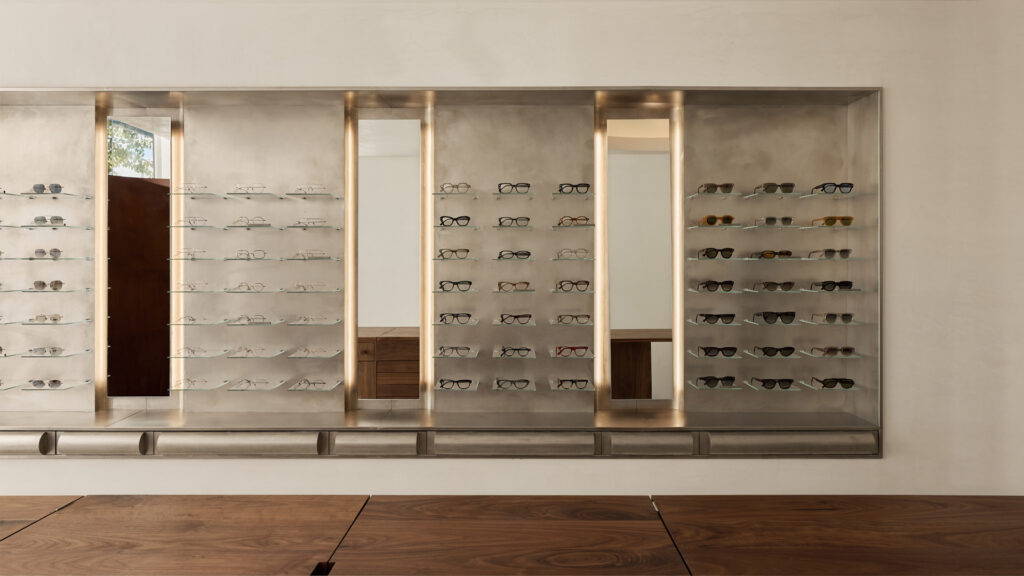
When someone walks into a space crafted with precision, they subconsciously understand the brand’s standards. Materials matter. Flow matters. Light matters. Every surface becomes part of the narrative. In the AHLEM atelier, dark American walnut, raw steel, lime-based plaster, and reflective glass were chosen not simply for aesthetics, but for integrity and timelessness.
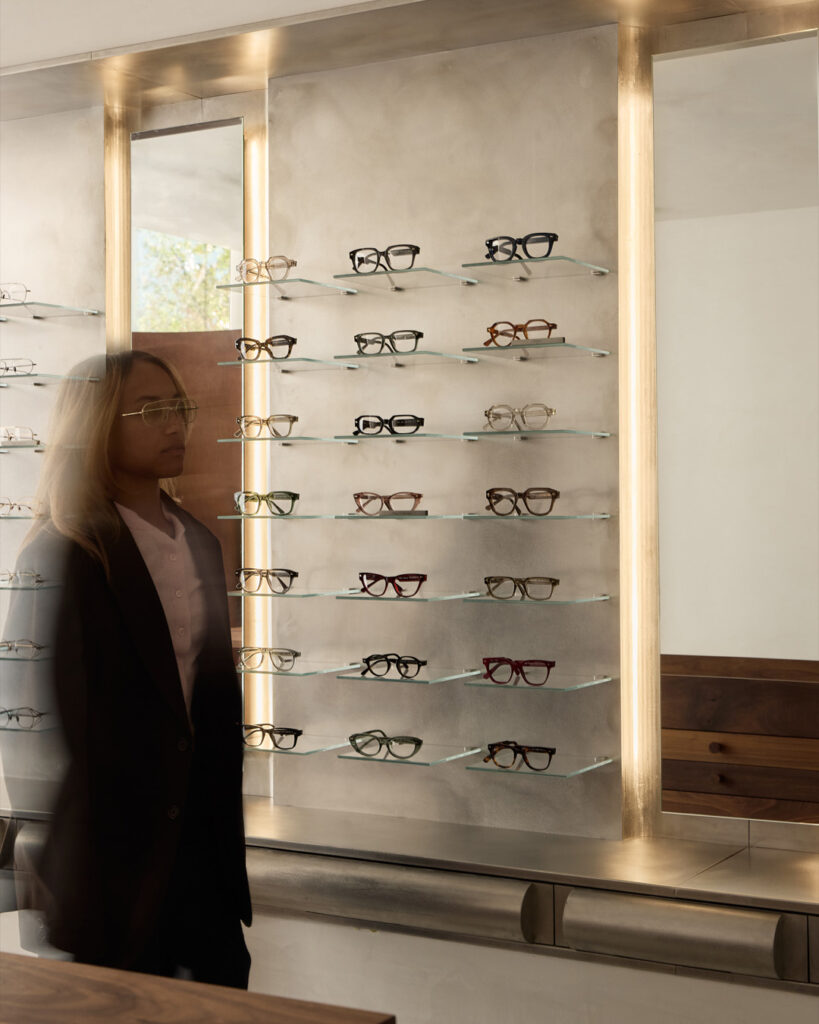
The most successful retail spaces today behave less like stores and more like cultural experiences. They create emotional resonance. They slow people down. They invite presence.
This is particularly relevant in eyewear, where identity and personal expression are deeply connected. Glasses are intimate objects, they sit on the face, shape perception, and influence confidence. The environment surrounding them should feel equally considered.
A strong space also creates trust.
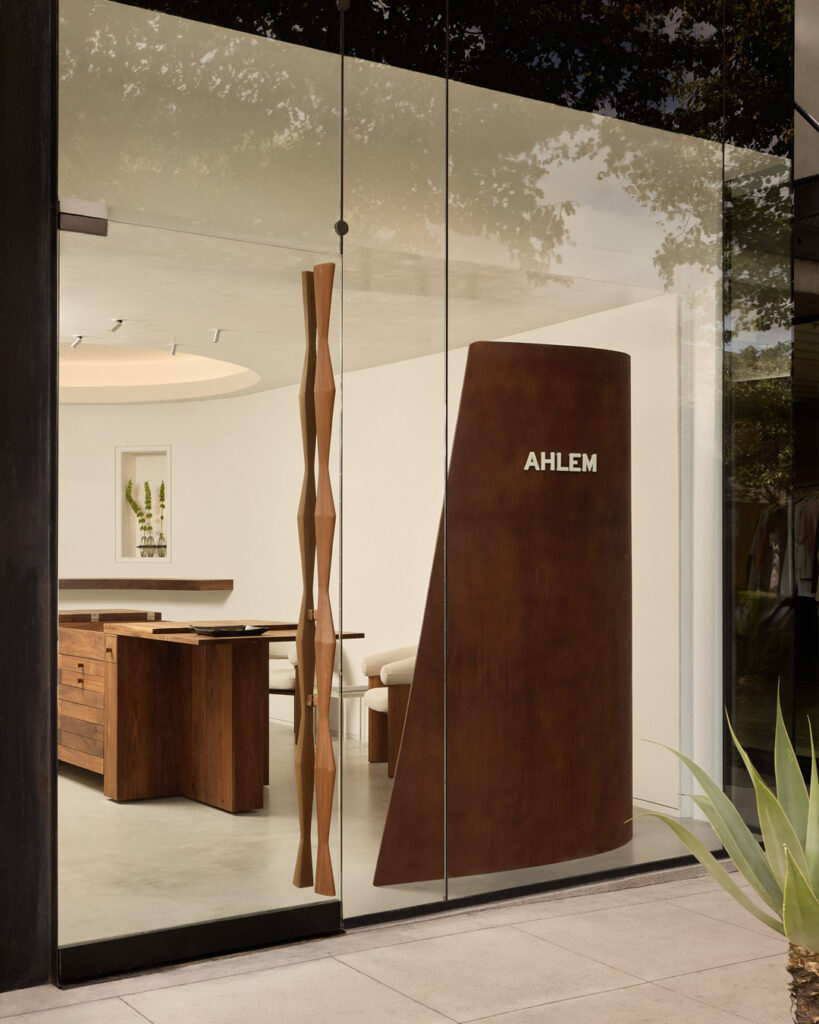
In a digital era dominated by fleeting attention spans and endless scrolling, physical environments offer something increasingly rare: permanence. A carefully designed atelier or flagship becomes tangible proof of a brand’s vision. It tells customers that the brand values detail, longevity, and human experience.
And perhaps most importantly, great spaces create belonging.
That is the real power of architecture in branding.
It transforms identity from something visual into something experiential.
The future of luxury retail will belong to brands that understand this deeply, brands that do not simply sell products, but create atmospheres people want to return to. AHLEM’s Melrose atelier is a reminder that when architecture, materiality, and philosophy align, space itself becomes part of the product.
 English
  French
  Italian
  Spanish
  Portuguese
  German
  Korean
  Japanese