


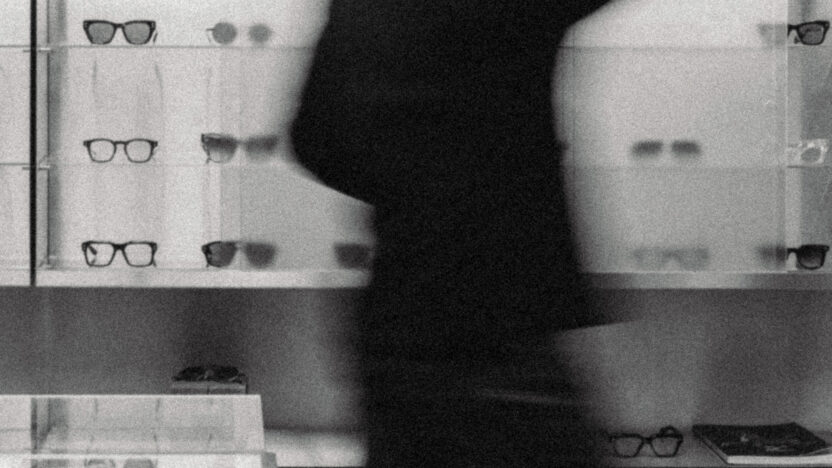
The optical industry is changing fast.
Today’s most successful optical retailers understand something fundamental: clients don’t just remember the frames they bought. They remember how the store made them feel.
Curated Optics spoke with some of the most respected independent optical retailers across Europe and Australia to understand what truly defines a modern optical destination.
1. Design Is No Longer Decoration — It’s Part of the Business Model
For premium independent retailers, store design has evolved into something far more strategic than aesthetics alone.
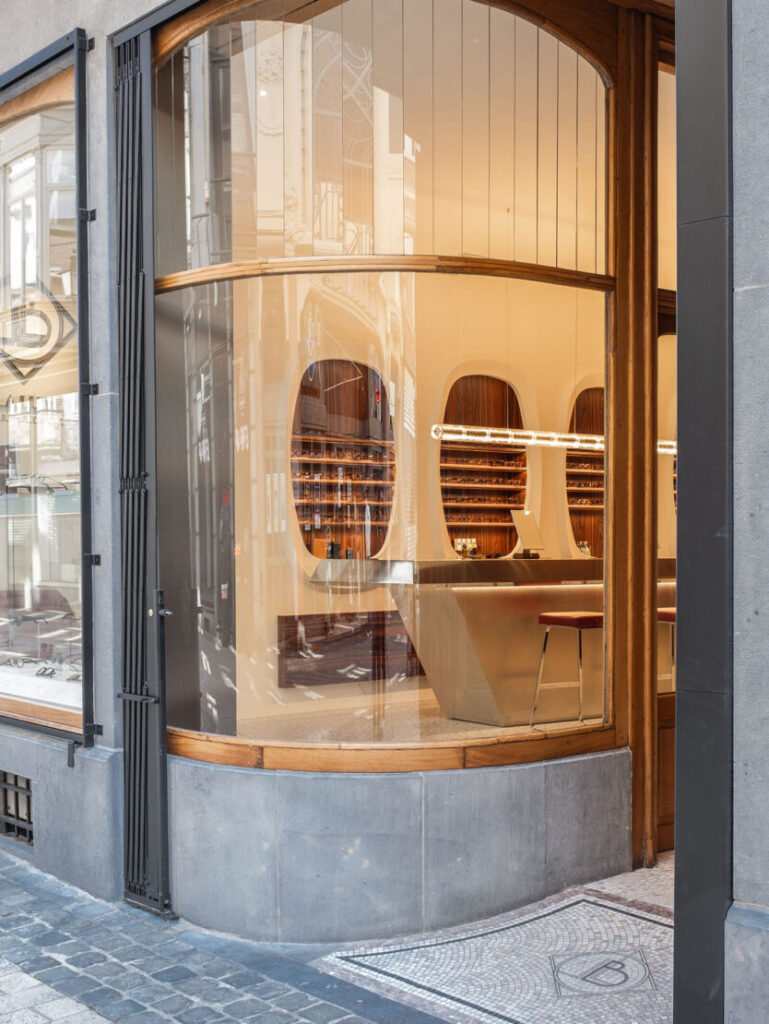
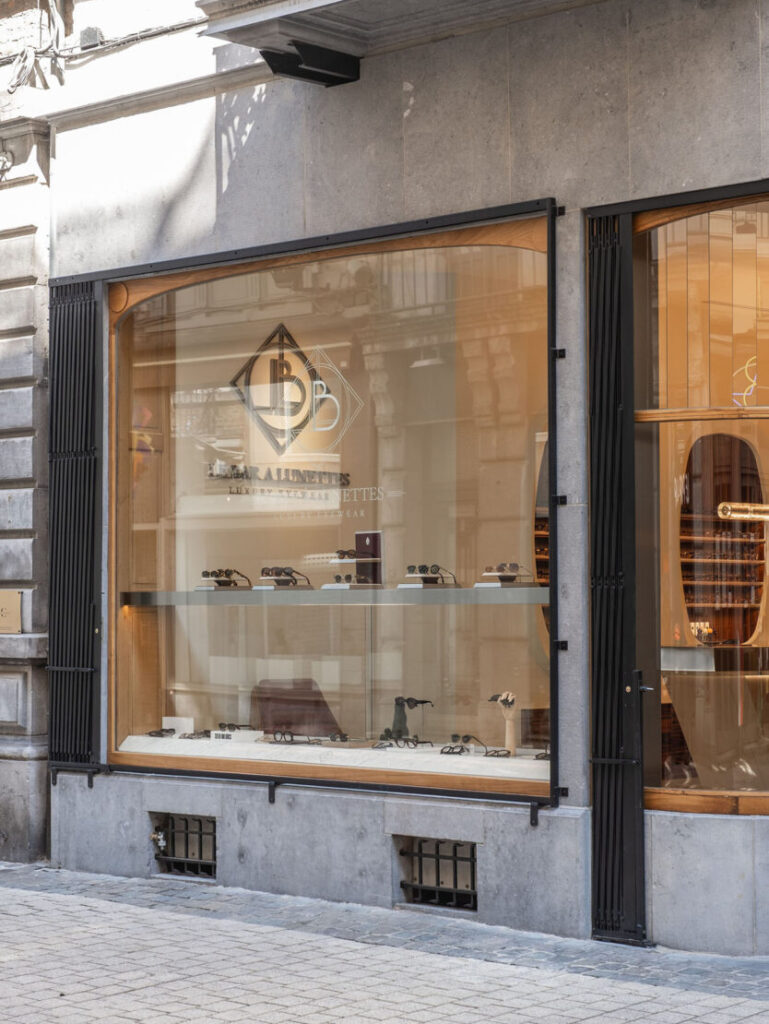
At Le Bar à Lunettes, the physical environment is treated as a direct extension of the brand itself.
“We view store design not merely as aesthetic, but as a core pillar of our value proposition. Sophisticated interiors and curated displays do more than just look good; they cement your status as a premier optical destination. By fostering an atmosphere of discovery and comfort, you build immediate trust.“
“For us, design is strategic, it radiates from your flagship store to define your entire brand identity. It shapes perception, draws in new clientele, and fosters deep-rooted loyalty. Our data confirms it: customers consistently view a well-designed environment as a benchmark for quality and reliability.” – points out Thibaut Nocart, the founder of the store.
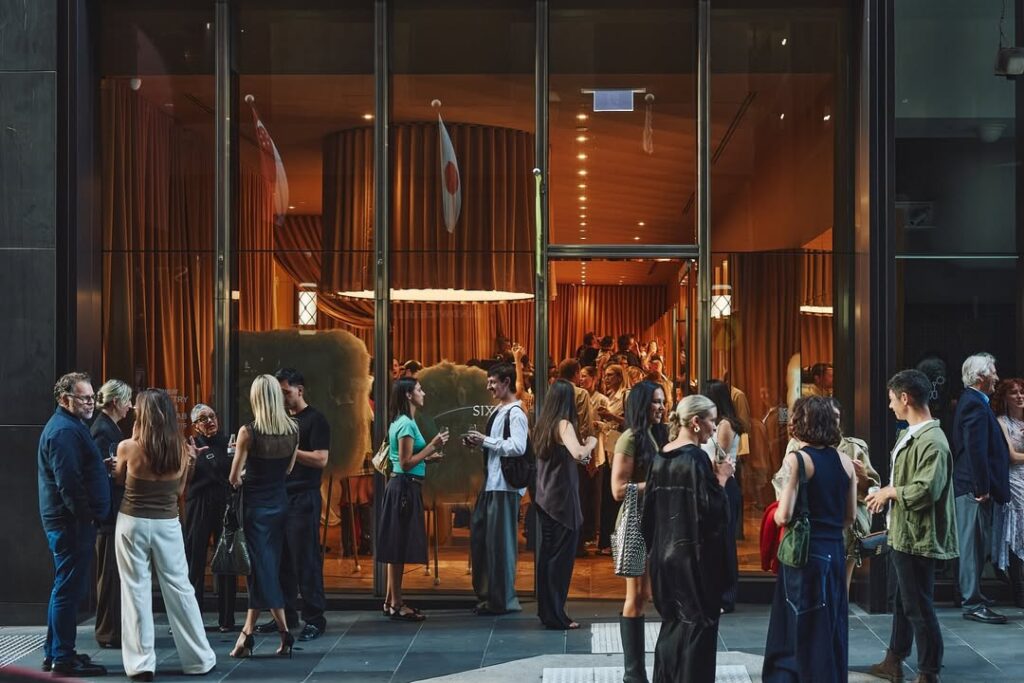
This idea was echoed strongly by SIX SIX, where co-founder Natalie Boffa believes luxury retail today is increasingly defined by something intangible: the feeling of time and freedom inside the space.
“In an independent store, clinical excellence is expected. It’s the baseline. However, we believe what differentiates truly successful practices is how patients feel within the space: whether they feel rushed or relaxed, processed or considered, sold to or genuinely guided.”
She continues:
“Luxury today is no longer defined by excess. It is increasingly defined by time. Time to explore, time to try and time to decide without pressure. At SIX SIX, this is not just a design philosophy, it is a commercial advantage. The environment itself becomes part of the service.”
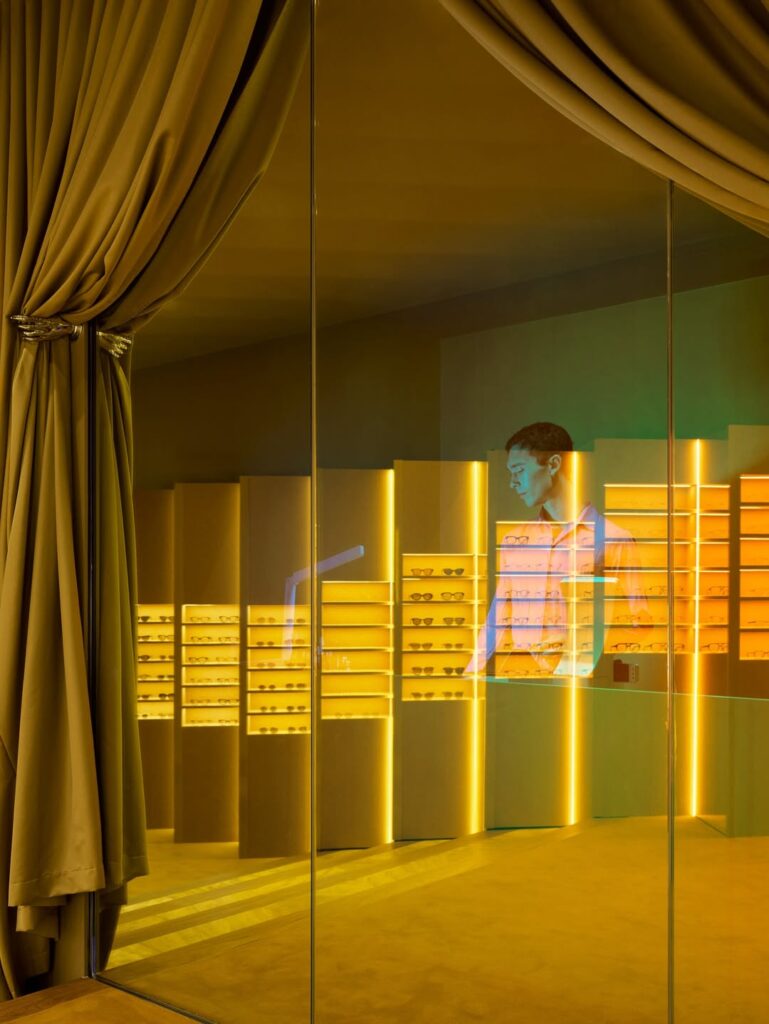
One of the most overlooked elements in that environment? Mirrors.
“Eyewear is unique because it sits between healthcare and identity. Patients are not simply choosing a prescription device, they are choosing how they want to be seen. That decision is emotional before it is rational.”
SIX SIX believes mirrors should never be treated as simple functional necessities.
“Full-length mirrors allow patients to see frames in the context of their whole look. Multiple angles encourage comparison and confidence. Mirrors positioned away from the transaction zone create freedom, removing the feeling of being watched or pressured into a decision.“
And perhaps the most memorable line of all:
“Mirrors are not styling accessories. They are sales architecture.”
Lighting, too, plays a defining role in shaping perception and trust.
“Lighting determines how premium a product feels, how colours are perceived, and whether the environment feels clinical, calming, or cold.”
The store even developed custom shelving solutions to ensure both the eyewear and the customer’s face were perfectly illuminated during fittings.
“This was without a doubt the biggest design challenge we faced, and we’re so grateful that we persisted.”
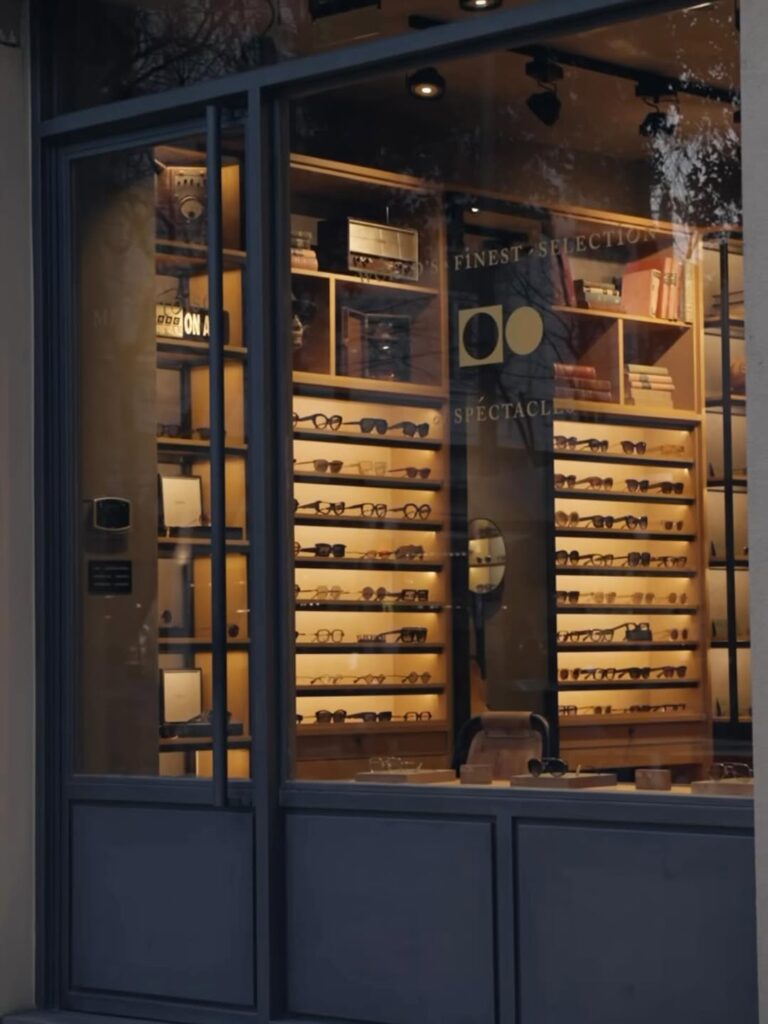
2. The Best Stores Curate Ruthlessly
One message surfaced repeatedly throughout every conversation: less is more.
The strongest optical stores are not trying to show everything. They are trying to say something clear.
At Le Bar à Lunettes, curation is approached almost like gallery-building.
“Every brand in your repertoire should be an intentional piece of a larger puzzle, designed to satisfy diverse client needs across style, material, and price point.”

Their assortment is carefully balanced across five pillars:
- High-End & Prestige
- Affordable Luxury
- Performance Sport
- Refined Elegance
- Iconic Heritage
And importantly, they resist the temptation to over-expand.
“In curation, ‘Less is More.’ Avoid over-saturating your selection. A streamlined portfolio allows for deeper partnerships, more comprehensive collection depth, and the ability to provide expert storytelling.”
Curated Optics team has also compiled a carefully selected list of the eyewear brands shaping the industry right now, a guide designed to help independent retailers build a modern, standout optical store. The full selection can be discovered here.
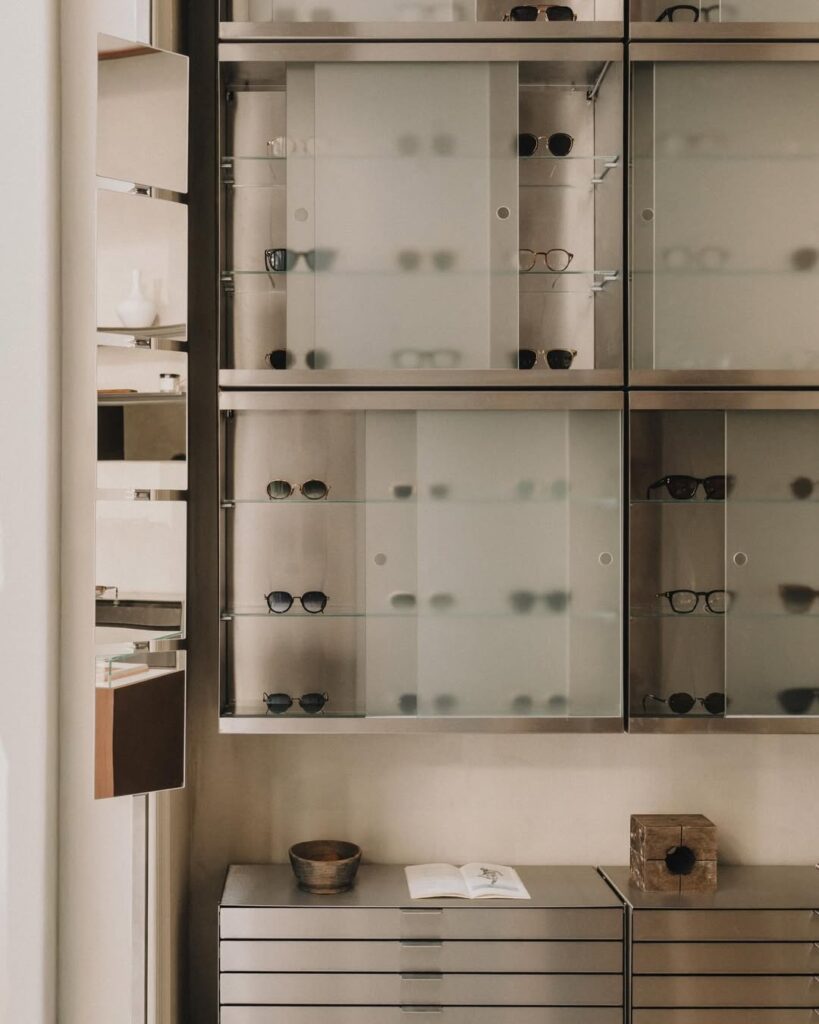
Glas Optician emphasizes the importance of having a direct relationship with brands — without layers, without intermediaries. “A stoic mindset guides us, but just as important is how we build relationships. With Akoni and Sato, we work through direct contact, no layers, no distance. That closeness creates structure, clarity, and trust in everything we do.“
The same philosophy came through in the advice shared by Mike Makras from Makras Optical.
“Curate with intent, not volume. Build a tightly edited eyewear collection that reflects a clear point of view, yet gives the client enough choice to satisfy their decision making process.”
For Makras, curation isn’t only about reducing inventory — it’s about sharpening identity.
“When you give frames the space, light and context they deserve, they stop being another product and become desirable objects of design.”
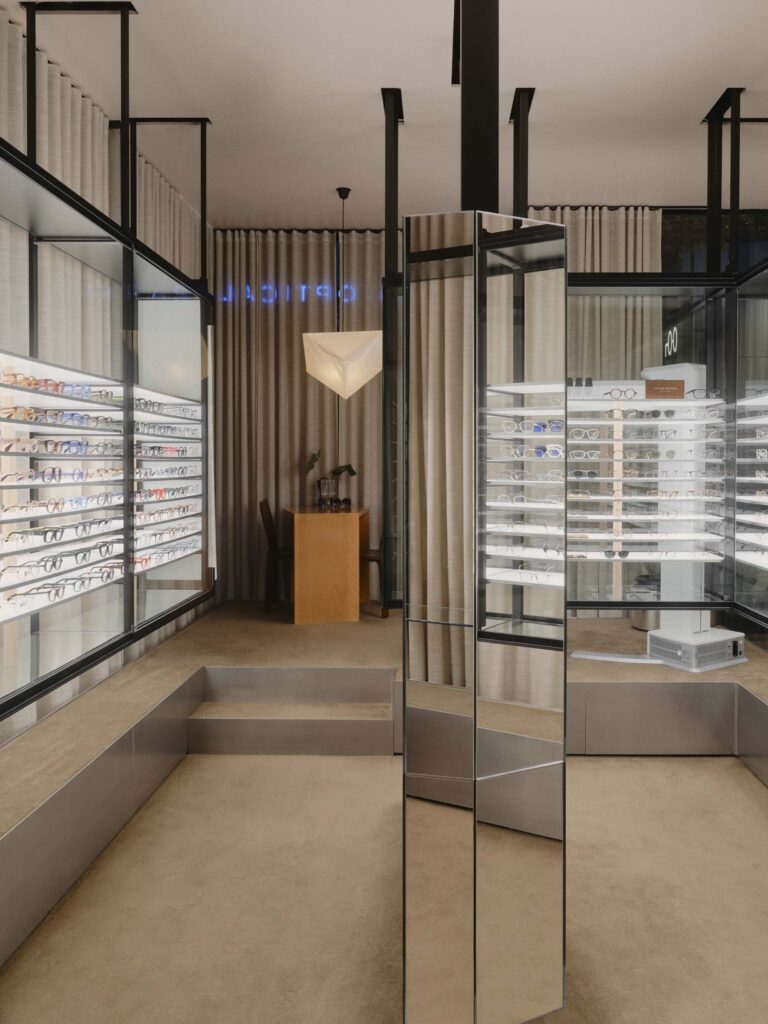
Focus Focus delivered perhaps the simplest, yet most telling, perspective of all:
“Less is more.”
But what followed may be even more important for the future of independent retail:
“Have more passion/interest than just optic and/or business.” said Matthieu Astruc, founder of Focus Focus
The best stores today increasingly pull inspiration from architecture, fashion, art, music, interiors, and culture, creating spaces that feel alive beyond the product itself.
Meanwhile, Mr. Tortoise reduced their philosophy to three essentials:
“Aesthetics. Curation. Good knowledge of the product.” is the advice of Greg Karipidis, owner of Mr. Tortoise.
Simple principles, but incredibly difficult to execute consistently.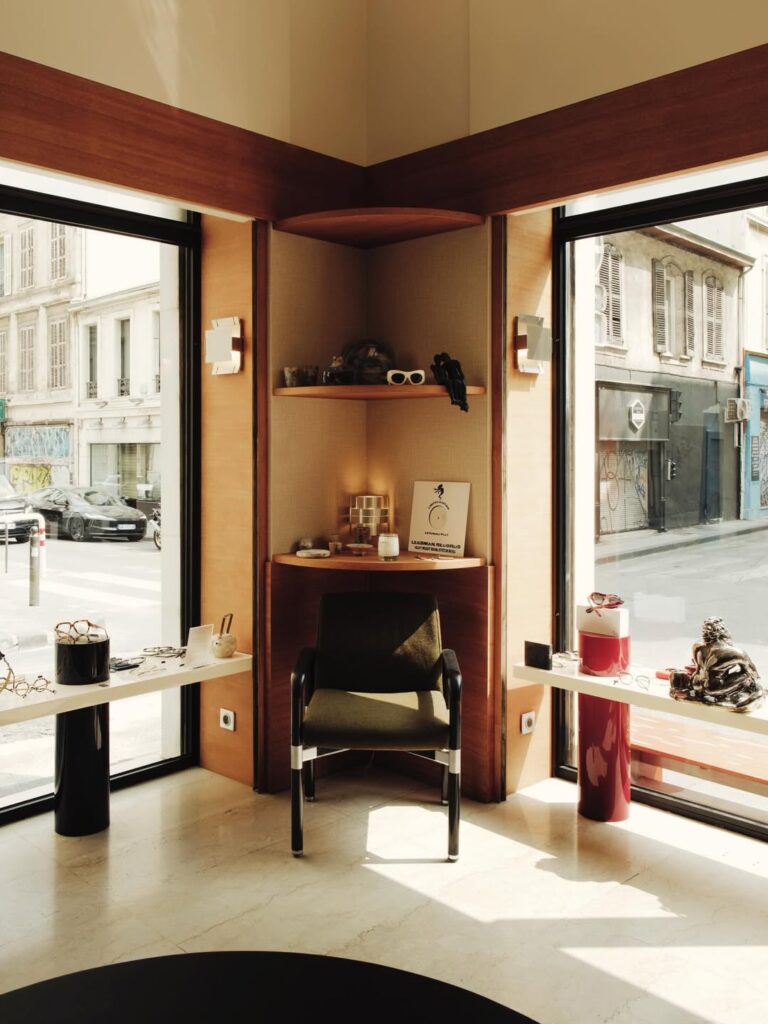
3. Emotional Connection Is Becoming the Industry’s Greatest Luxury
Technical expertise is expected in modern optical retail. What differentiates exceptional stores now is emotional intelligence.
At SIX SIX, the belief is clear: independent retailers have an advantage precisely because they can offer intimacy and personal connection at a level larger chains cannot replicate.
“Many clinics are built for operational efficiency: fast movement, clean pathways, quick decisions. But premium retail does not operate on speed. People spend more when they feel they are allowed to slow down.”
That slower rhythm fundamentally changes customer behaviour.
“Open shelving invites touch. Seating areas create pause. Thoughtful merchandising encourages discovery rather than immediate decision making. Product stories add meaning beyond price.”
For Natalie Boffa, the goal was never simply to create a clinic.
“The clinic should feel less like a service point and more like a destination.”
And perhaps the most important insight of all:
“Patients remember how a place made them feel. That feeling drives referrals far more than promotions will.”
At Le Bar à Lunettes, the customer experience extends beyond eyewear itself into broader cultural storytelling.
“We believe in 360-degree brand immersion.”
“It’s not just about selling glasses; it’s about creating a cultural moment that resonates with your customers’ lifestyle.”
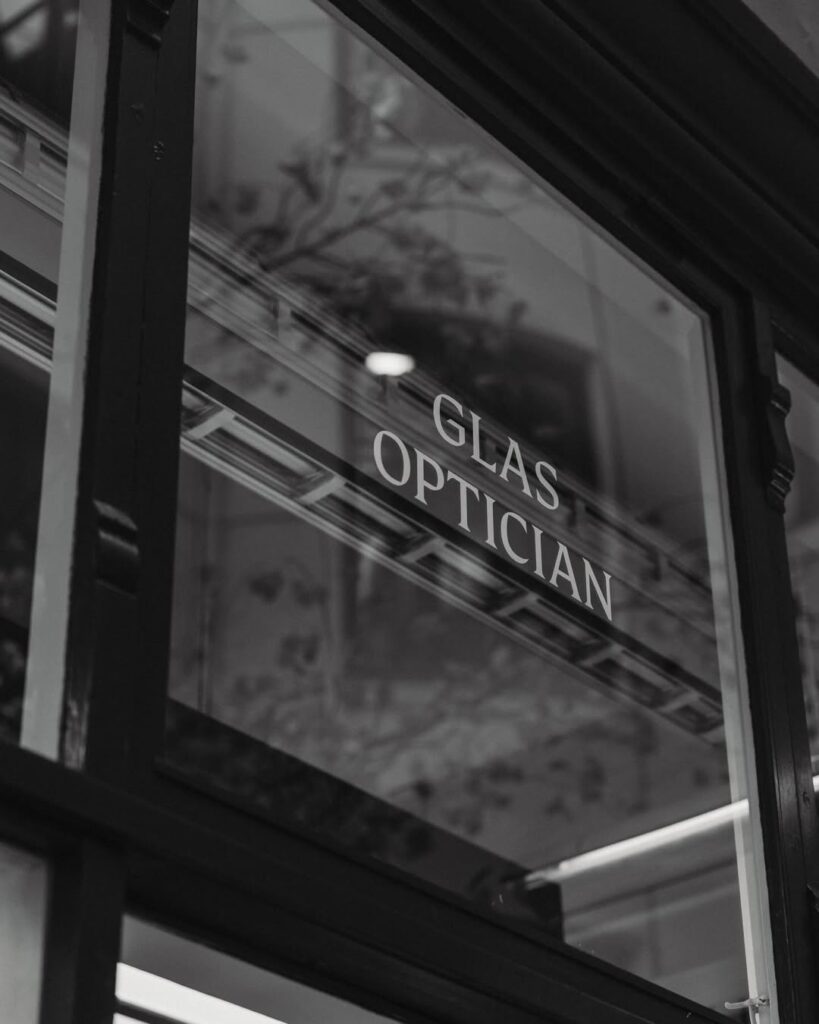
Finally, Glas Optician spoke powerfully about independence, identity, and conviction in today’s optical landscape.
“We are one of the very few stores in the world, and the only one in the Nordics, operating independently without backing from a conglomerate. That takes courage. It takes patience. And it takes significant investment to stay true to that path.”
For them, success is rooted in clarity of vision.
“You have to choose—because if you don’t, you slowly become like everyone else. You must build a brand.”
And perhaps no quote summarized the spirit of independent optical retail more beautifully than this:
“The future isn’t accidental. It comes from sitting down, defining a vision, and pursuing it with intention and passion. More than ever, human connection is at the center—it’s what gives meaning to the work.”
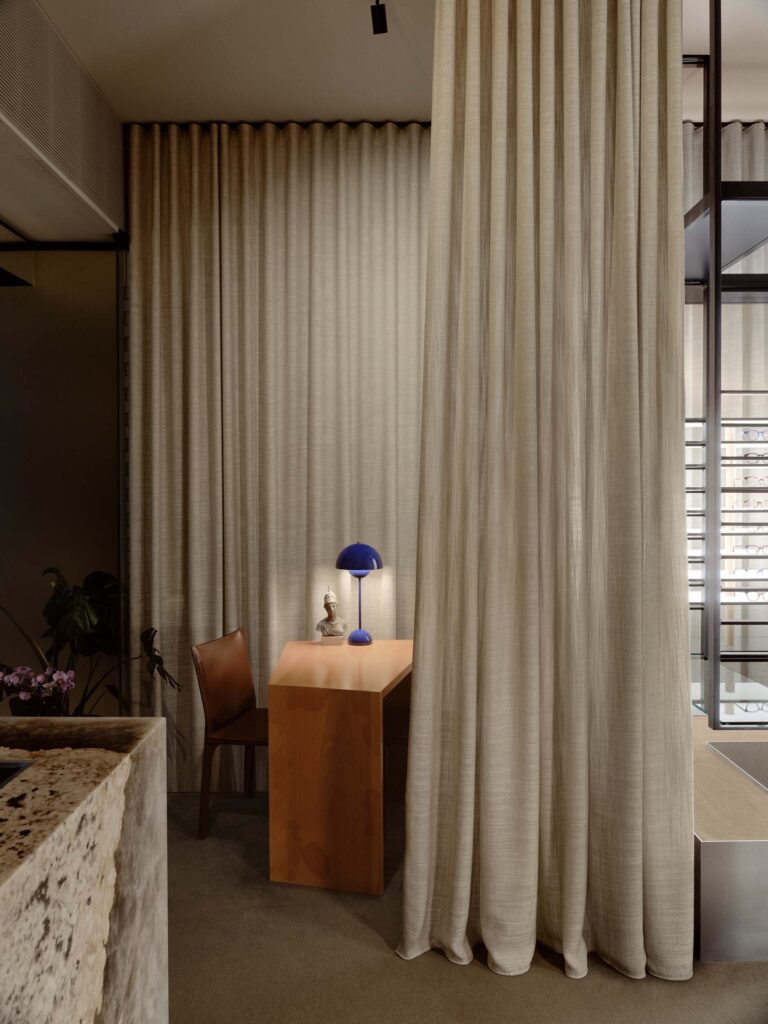
Makras highlights one extremely important element: trust. “Deliver precise, considered, clinical expertise within a setting that feels calm, assured and a little experiential (without getting theatrical). This allows the patient to feel expertly guided and understood. Builds trust.”
In an increasingly homogenized retail landscape, that human connection may ultimately be the most valuable thing an optical store can offer.
 English
  French
  Italian
  Spanish
  Portuguese
  German
  Korean
  Japanese