


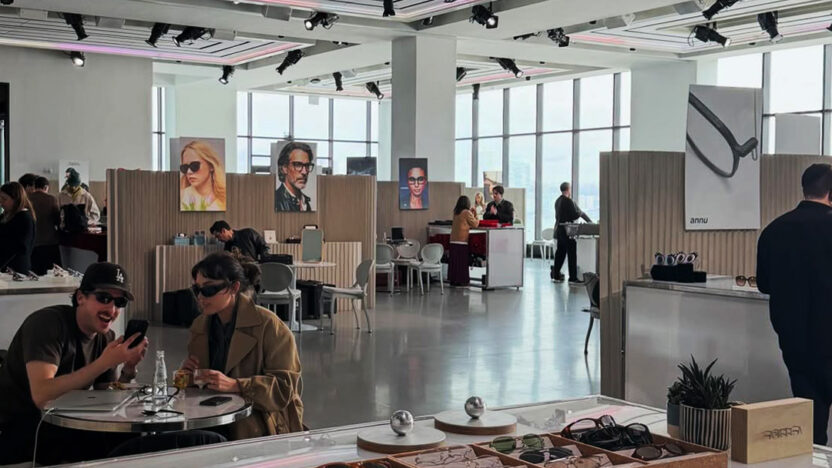
The first thing you notice when you walk a trade show floor is the rhythm.
Clusters of conversations.
Buyers leaning over trays of frames.
Designers explaining the details that make their work different from the booth next to them.
That rhythm is what gives a show its pulse.
But during several moments at this season’s eyewear shows in New York, the rhythm felt… uneven.
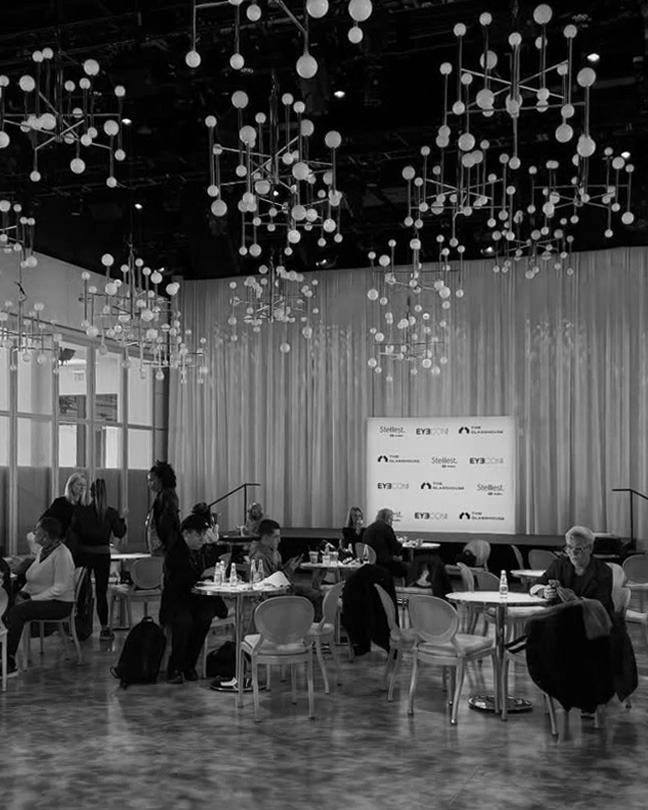
There were pockets of activity, certainly. Familiar faces reconnecting. Brands presenting new collections. The usual exchange of ideas and business that keeps the industry moving.
But there were also long stretches of quiet dead space.
Booths standing empty.
Exhibitors waiting.
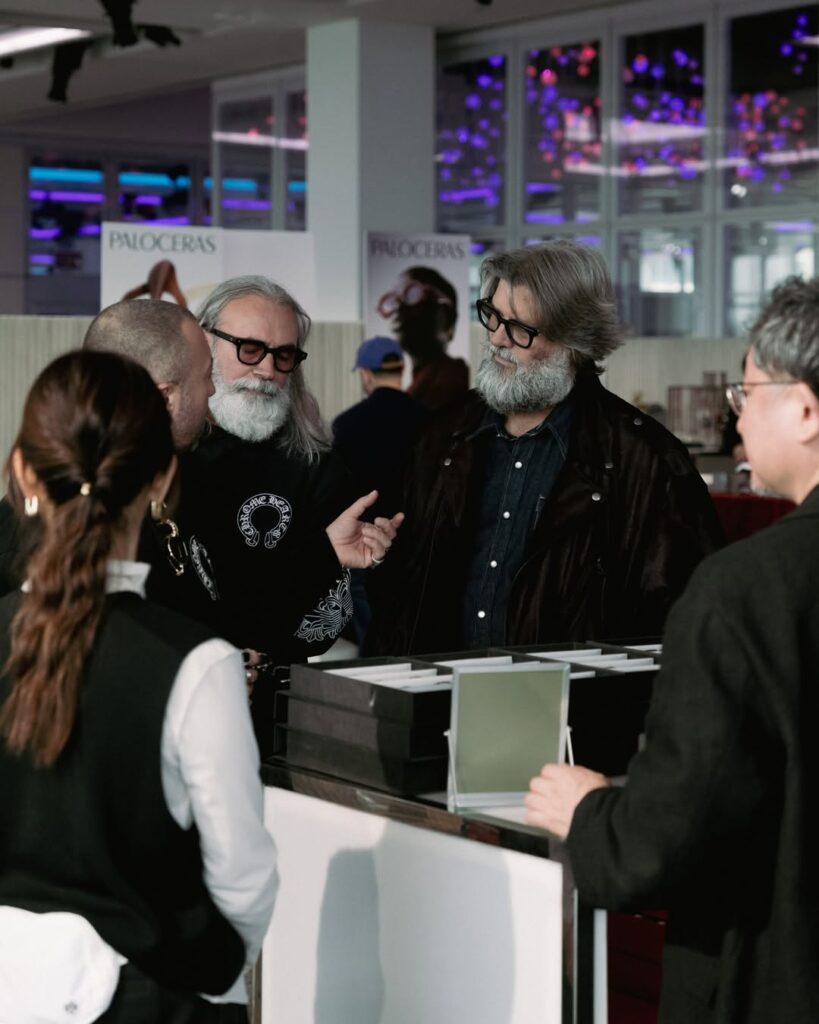
Over the course of a few days, conversations with several participating brands revealed a shared sentiment: the traffic many had hoped for simply wasn’t there.
Some exhibitors spoke openly about their disappointment. Others were more diplomatic. But the underlying theme was difficult to miss, expectations and reality didn’t always align.
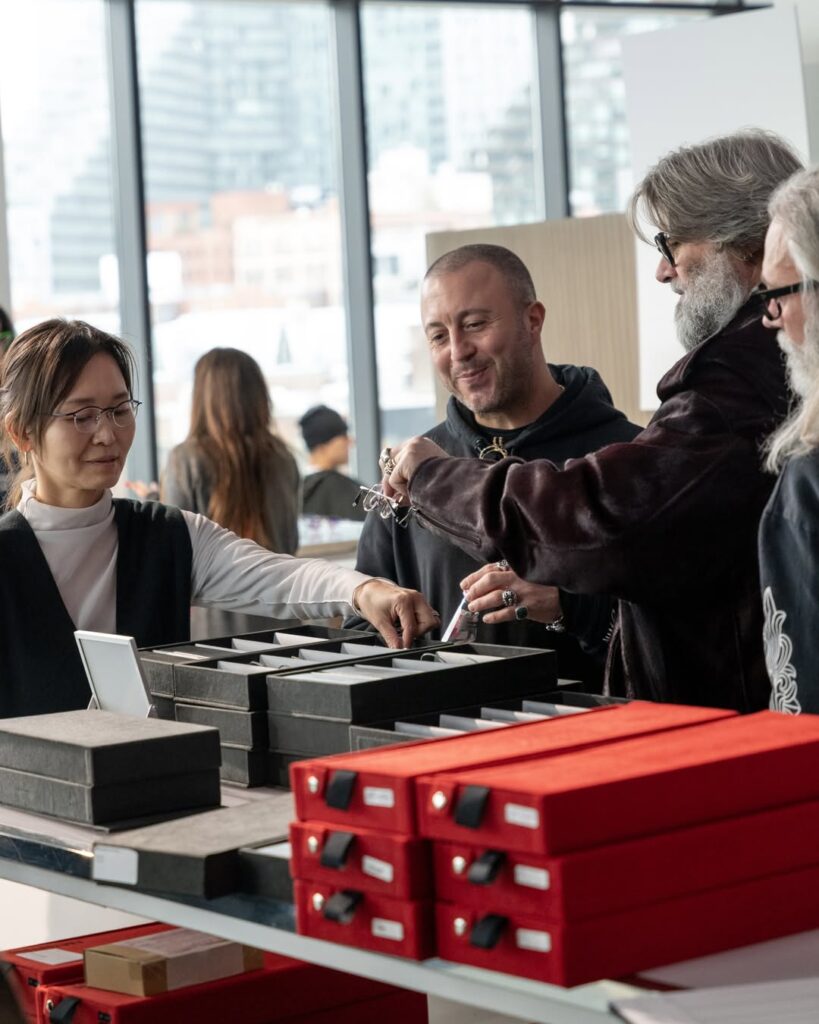
That observation alone wouldn’t be particularly remarkable. Trade shows have good years and quieter ones.
What made this moment more interesting was the broader conversation surrounding it.
In recent weeks, debate around eyewear trade shows has grown unexpectedly heated. Supporters defend them passionately. Critics question whether they still carry the same relevance they once did.
The emotional temperature of that debate feels strangely high for what is, at its core, a professional gathering of designers, retailers, and industry insiders.
Disagreement, after all, is not a crisis.
It’s a sign that people are paying attention.
Walking the floor in New York offered a clearer view of why these conversations are happening in the first place.
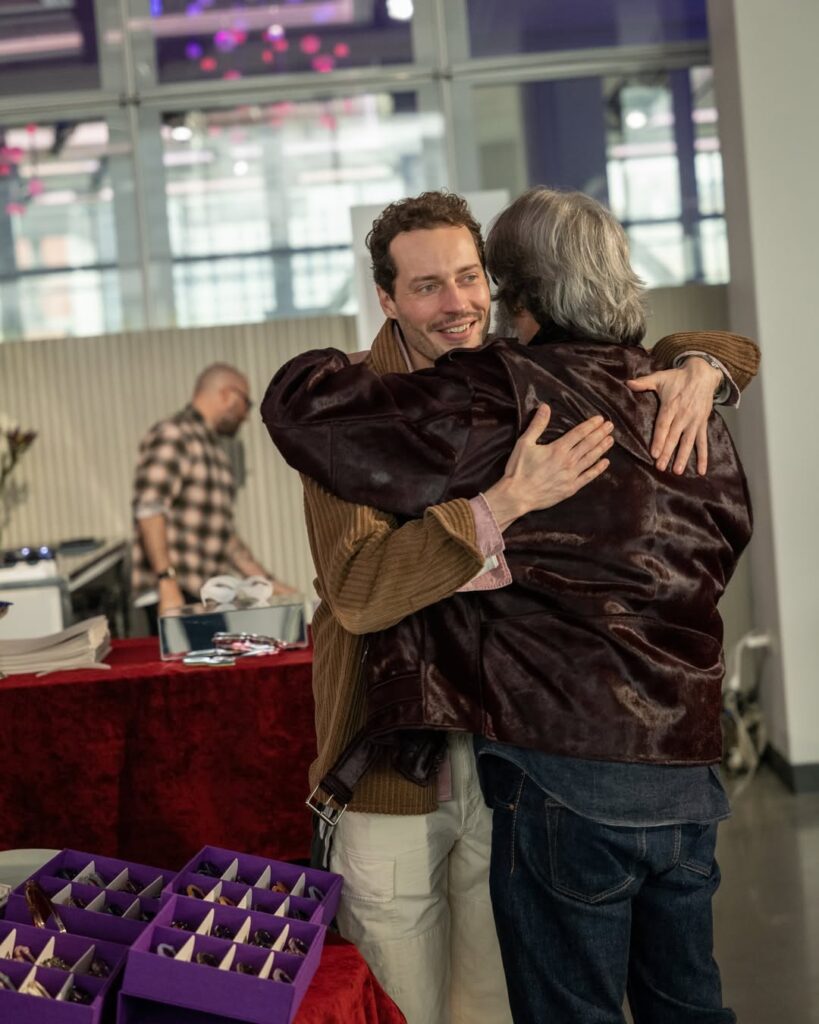
Beyond the quieter aisles, another theme emerged: a noticeable absence of truly new voices. While established brands were present in force, the sense of discovery, historically one of the defining pleasures of a trade show felt more limited than in previous years.
One unfamiliar name that did attract attention was Diament Eyewear. But the reaction from nearby exhibitors suggested something else entirely: concern that the product on display didn’t reflect the level of design or craftsmanship typically associated with the event.
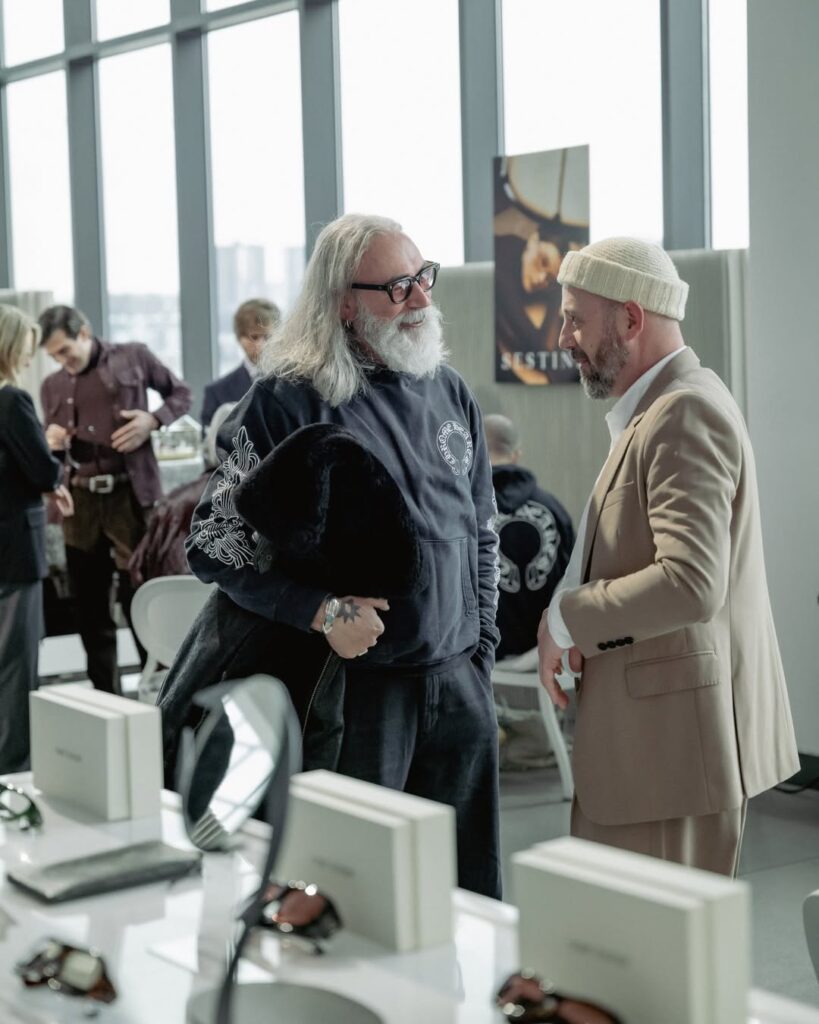
One brand representative, speaking candidly, expressed frustration about being placed next to what they viewed as a derivative offering. In their words, proximity matters, especially in environments where reputation and perception carry enormous weight.
Moments like this inevitably raise questions about curation.
Trade shows have always functioned as more than simple marketplaces. They act as filters for the industry, shaping which brands share the stage and, by extension, the credibility of the event itself.
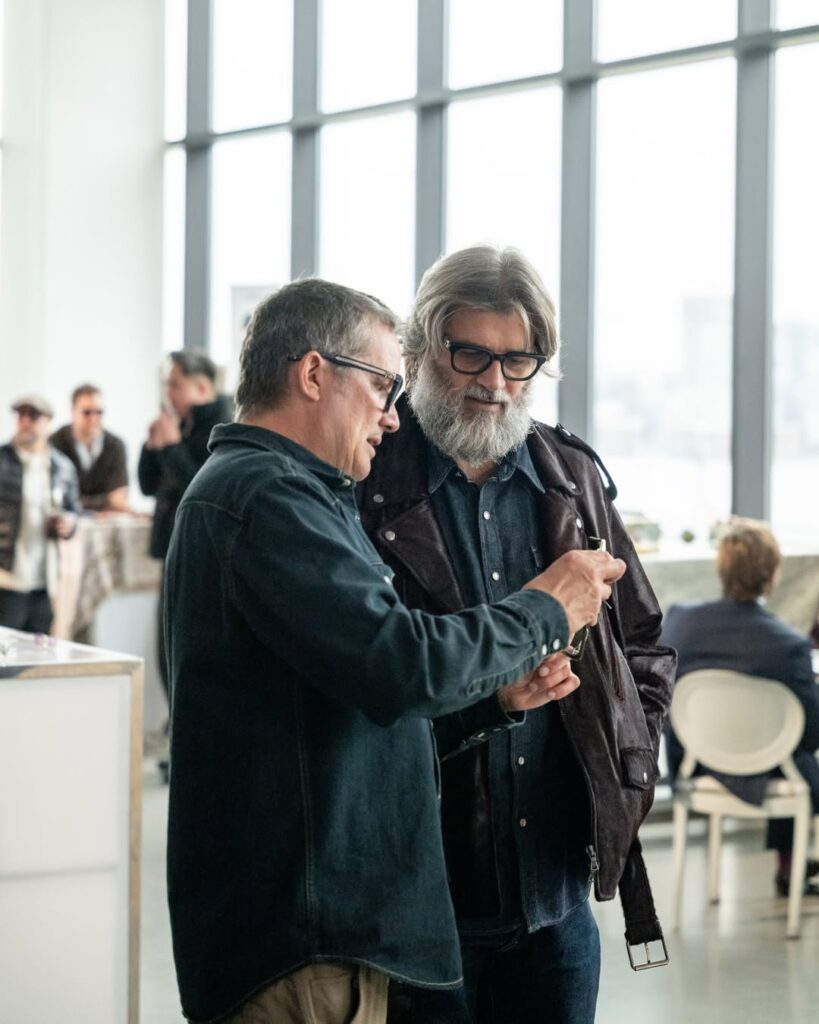
When that filtering process appears less rigorous, it doesn’t go unnoticed.
The same tension appeared elsewhere in the programming. A scheduled panel discussion intended to stimulate conversation unfolded in a designated space with noticeably sparse attendance, an unusual sight for an industry that prides itself on community and dialogue.
Individually, each of these moments might seem minor.
Together, they suggest an event still navigating its identity in a rapidly evolving industry.
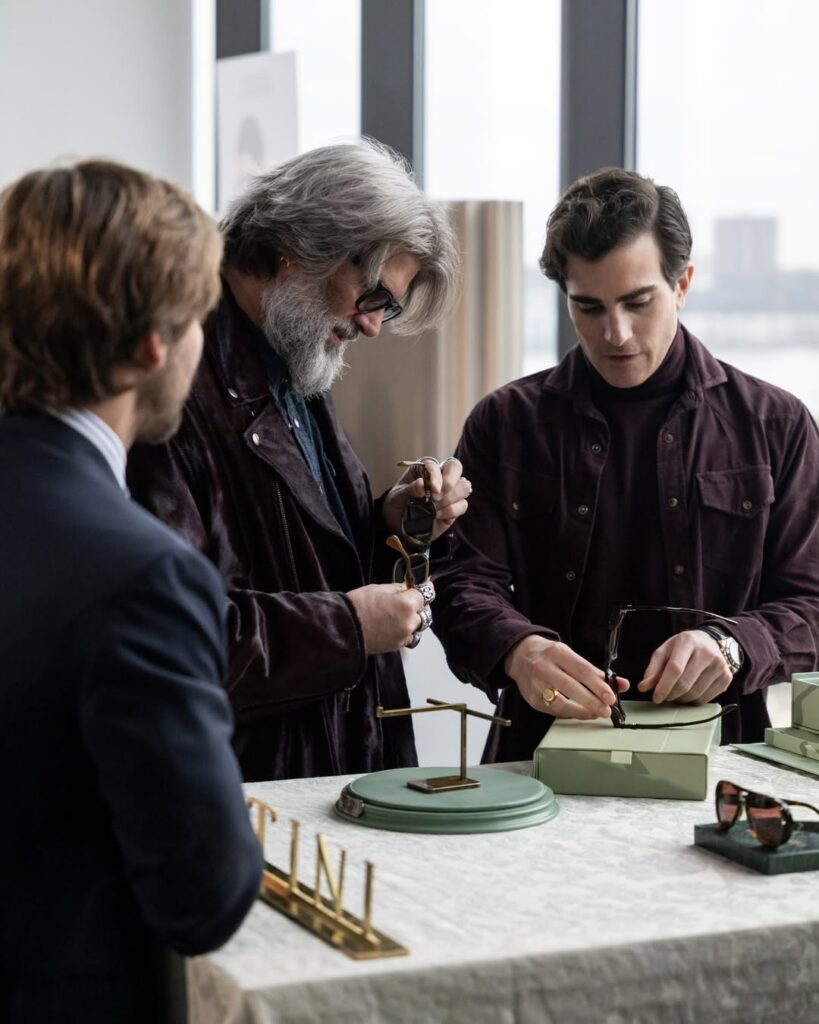
To be clear, this isn’t an argument against trade shows. They remain one of the few places where designers, retailers, and creators can meet face to face, exchange ideas, and move the business forward.
But like any institution, they must continuously justify their relevance.
The most successful industry gatherings do more than rent floor space. They curate. They challenge. They create environments where established brands and new voices coexist in ways that push the culture forward.
When that balance shifts too far toward simple exhibition, the energy inevitably changes.
And perhaps that is what many people are sensing right now.
The debate itself isn’t the problem.
In many ways, it’s the healthiest sign possible.
Because industries rarely stagnate from criticism.
They stagnate when people stop caring enough to have the conversation at all.



 English
  French
  Italian
  Spanish
  Portuguese
  German
  Korean
  Japanese