


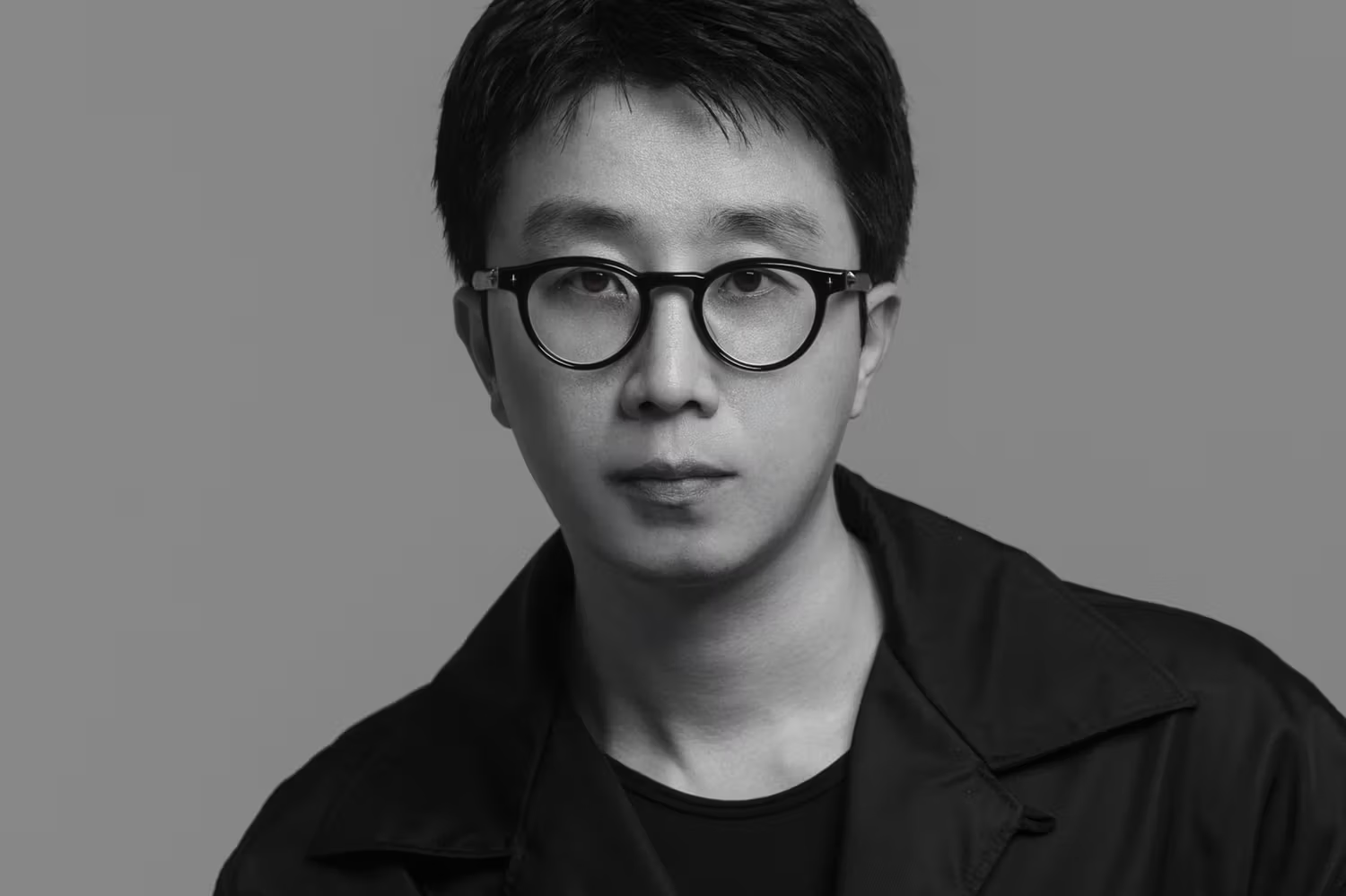
If you are the founder of a brand, or planning to create an eyewear brand, you should read this story. As Virgil Abloh once said, this is “free game” for everyone.
“First they ignore you, then they laugh at you, then they fight you, then you win.”
How a designer from outside the system built Gentle Monster by ignoring the industry entirely.
In most industries, success follows a familiar path.
You attend the trade fairs.
You shake the right hands.
You sit at the same tables as everyone else.
And eventually, if the gatekeepers approve, you are allowed in.
But sometimes the person who wins the game is the one who never sits at the table.
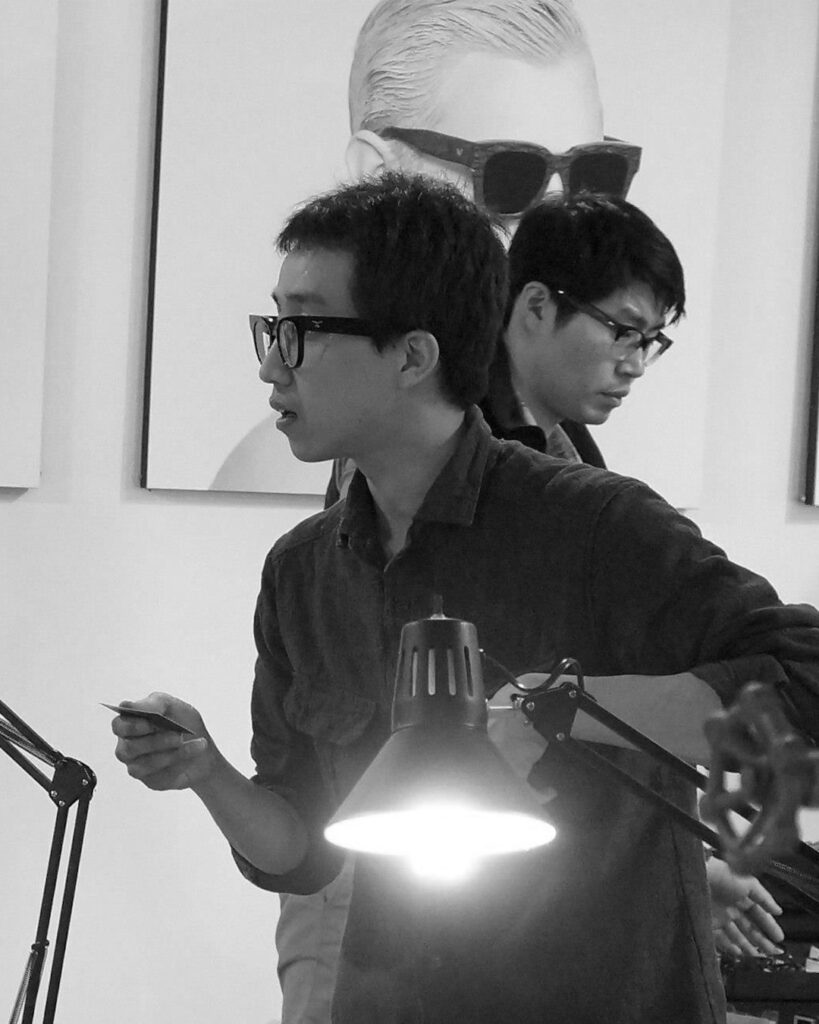
That story begins in 2011, in Seoul, with a young entrepreneur named Hankook Kim.
He didn’t come from the eyewear industry.
He wasn’t part of the established network of distributors, agents, or optical insiders.
What he had instead was curiosity, an obsession with design, and a growing collection of vintage glasses.
And the more he studied the market, the more something felt… wrong.
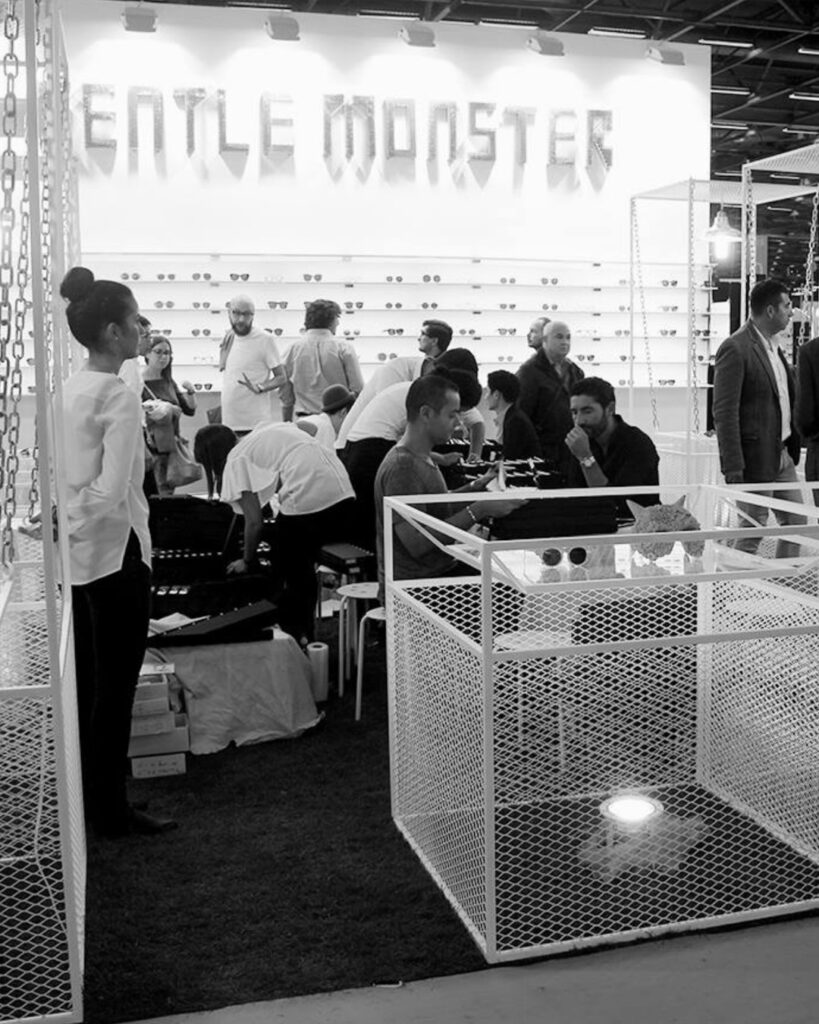
The Anomalies No One Inside the Industry Saw
From the outside, the eyewear business looked orderly.
Brands designed frames.
Agents sold them.
Opticians stocked them.
Consumers bought them.
But when Kim looked closer, he noticed structural anomalies.
Most eyewear design followed Western facial proportions, even though Asian consumers represented a massive market. Many frames simply didn’t fit well.
More importantly, the industry itself functioned through tight B2B networks.
Distributors controlled access.
Sales agents controlled relationships.
Opticians were influenced by long-standing partnerships and friendships.
For a newcomer without those connections, entry was extremely difficult.
Still, like most founders, Kim followed the traditional path first.
The result?
Silence.
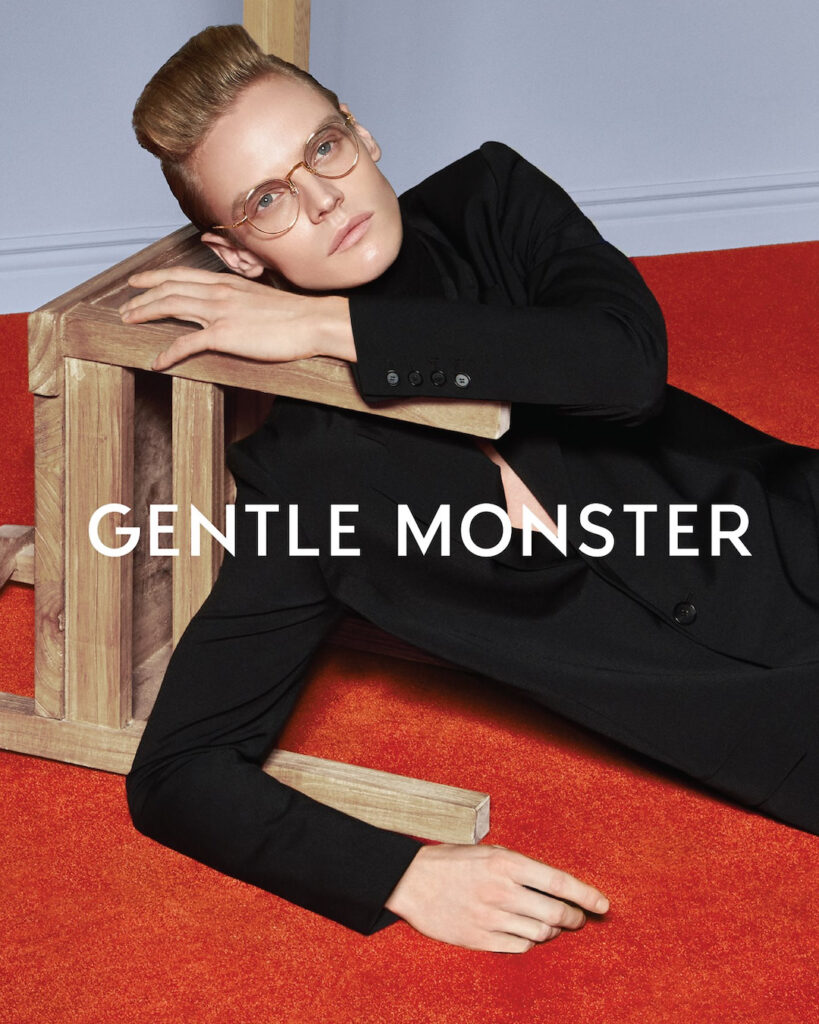
Orders were scarce. Interest was limited.
The system simply wasn’t designed for outsiders.
That was the moment he realized something crucial:
The real gatekeepers of eyewear weren’t consumers.
They were the intermediaries.
The Strategic Pivot: Ignore the Industry
Many founders would have tried harder to break into the B2B network.
Kim did the opposite.
Instead of fighting the gatekeepers, he chose to go around them entirely.
He decided to pursue the end consumer directly.
The industry could keep its trade shows, agents, and distribution channels.
He would build demand somewhere else.
Product First: Frames That Made a Statement
The first signature of the brand was unmistakable.
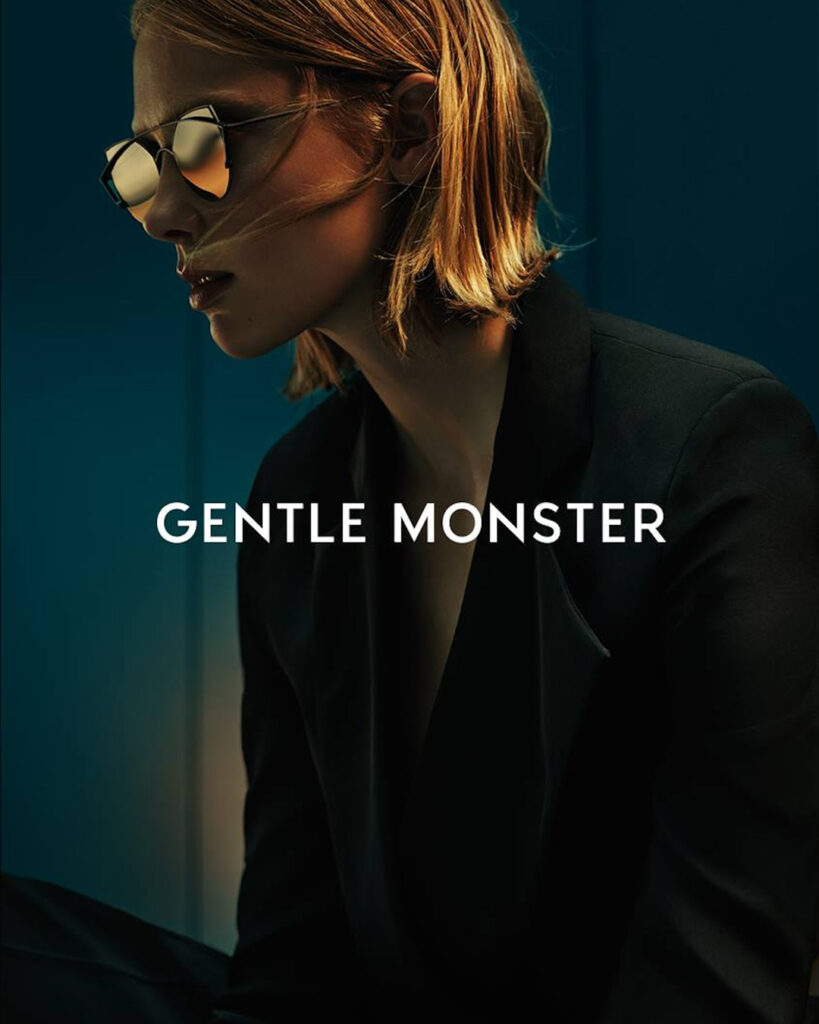
Oversized frames.
This wasn’t just aesthetic experimentation. It reflected cultural insight.
In many Asian beauty standards, a smaller face is considered attractive.
Large frames create the illusion of a smaller facial structure.
What looked bold and unconventional in the industry was perfectly aligned with consumer perception.
Design suddenly became both fashion and psychology.
The Radical Retail Experiment
But product alone wouldn’t be enough.
If the brand wanted to bypass the traditional system, it needed a different way to reach people.
Kim’s answer was radical:
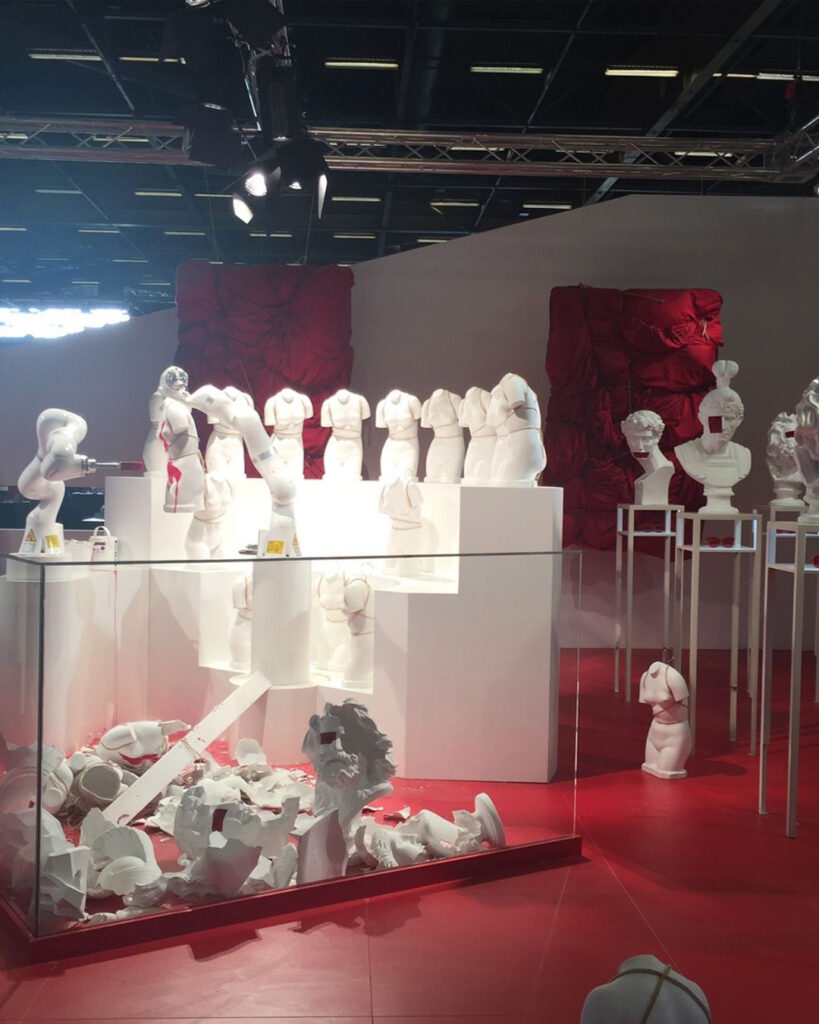
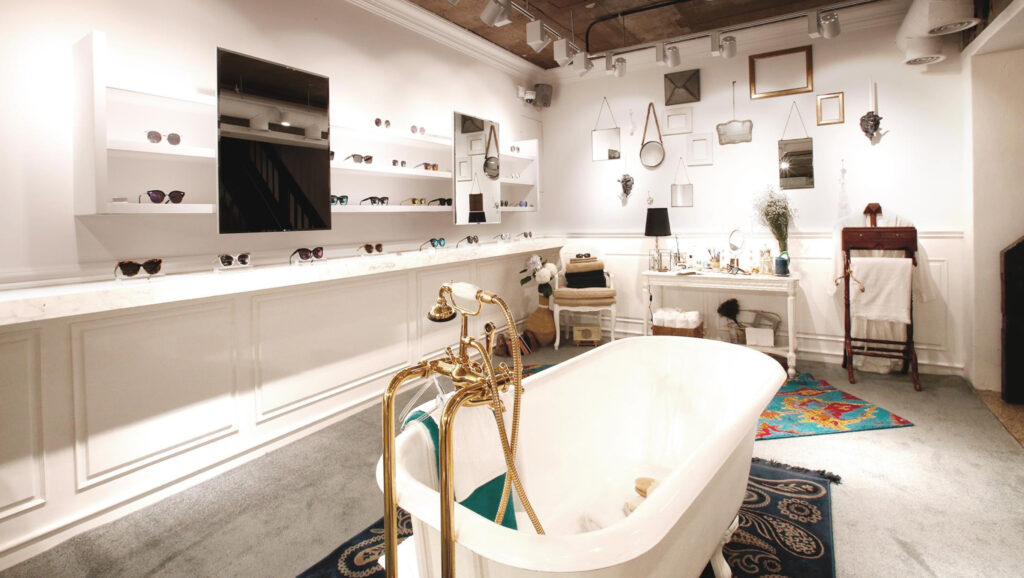
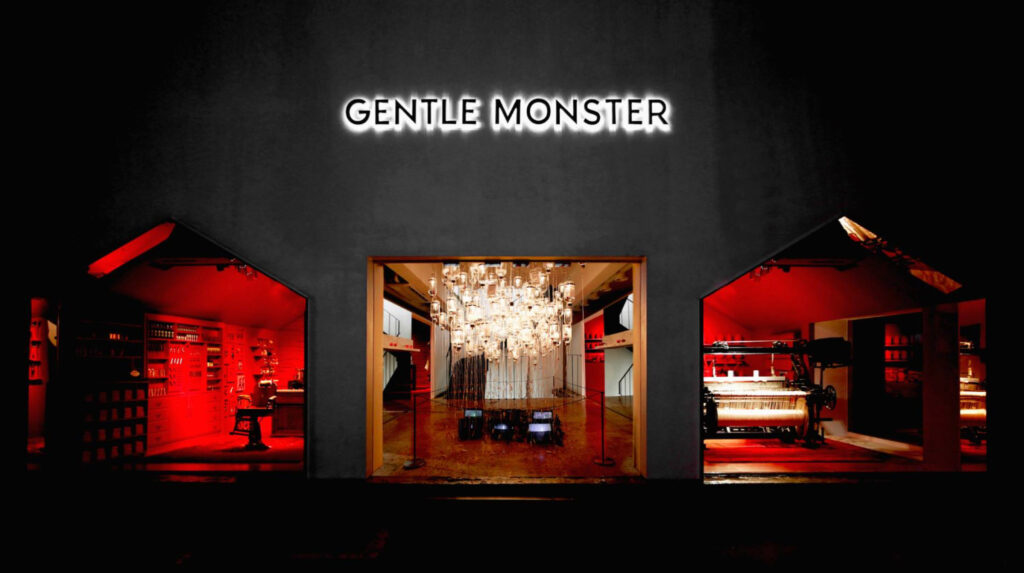
Turn stores into art galleries.

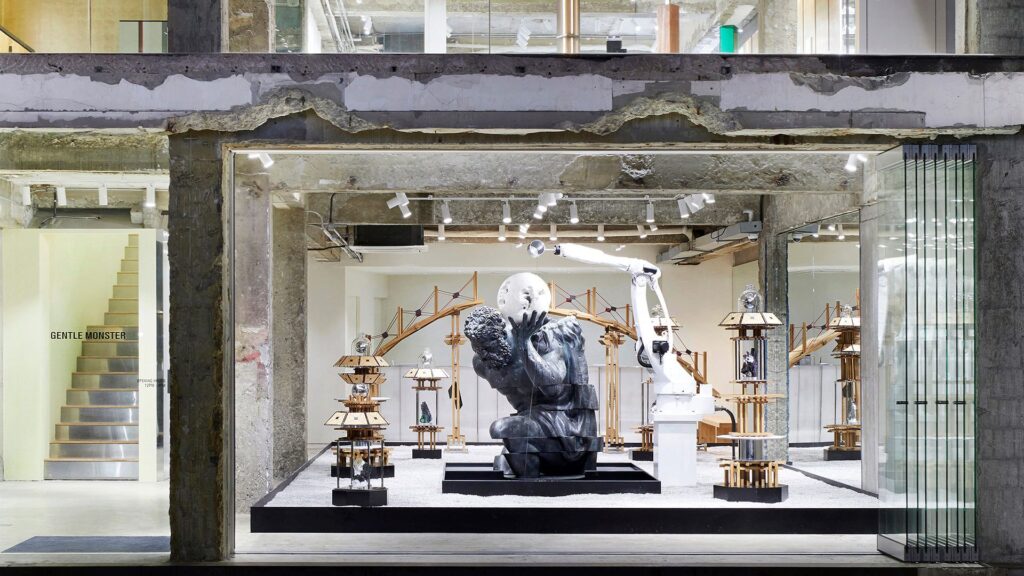
Instead of conventional optical shops, Gentle Monster opened spaces filled with:
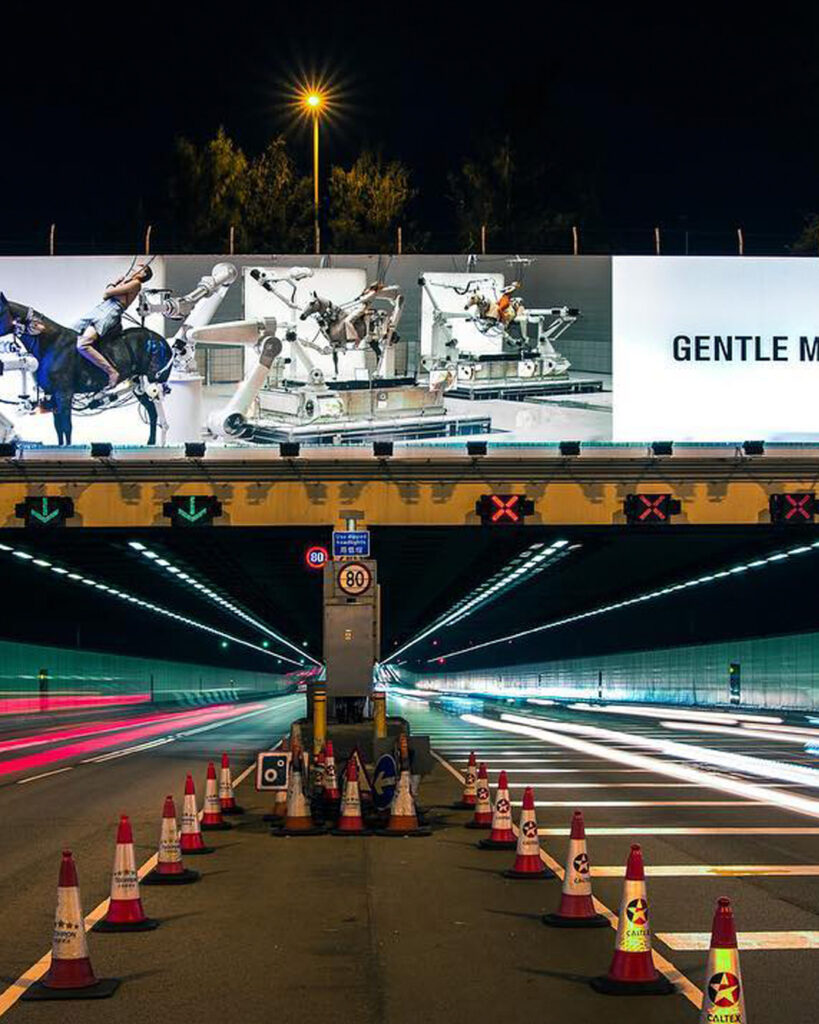
- robotic sculptures
- surreal installations
- conceptual architecture
- constantly changing artistic displays
Early versions of these spaces were far from perfect.
But the idea had something powerful behind it.
People didn’t just enter to buy glasses.
They entered for an experience.
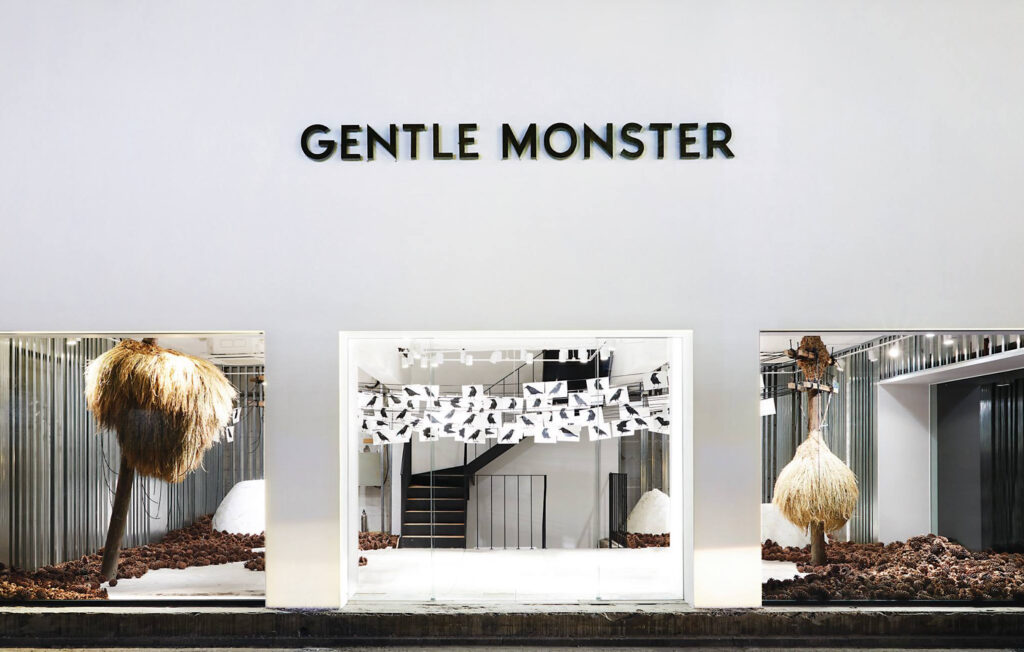
Buying a pair of frames started to feel like buying a piece of the space itself, a souvenir from an artistic encounter.
Owning the product meant owning a fragment of that world.
The Cultural Breakthrough
Still, growth requires cultural ignition.
That moment arrived when actress Jun Ji-hyun wore Gentle Monster glasses in the hit Korean drama My Love from the Star.
Almost overnight, the frames became a phenomenon across Asia.
Sales surged.
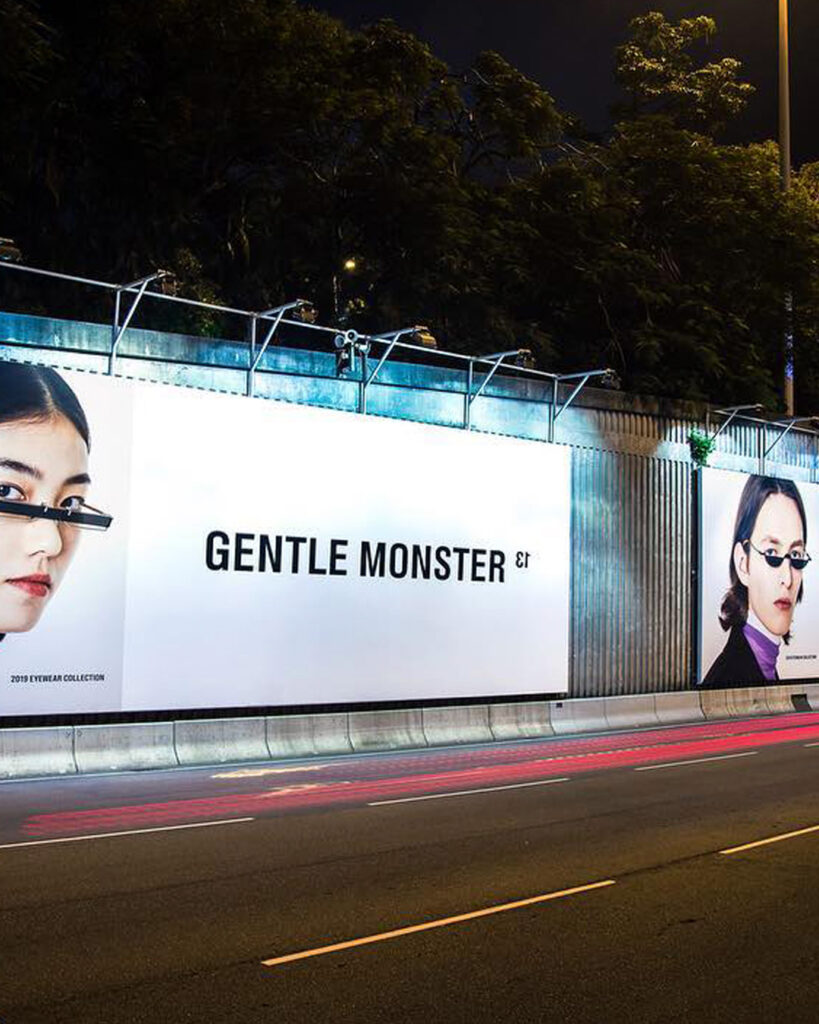
China and the broader Asian market embraced the brand.
It was the same kind of cultural acceleration later seen when Jacques Marie Mage appeared in the HBO series Succession.
Pop culture had done what trade shows never could.
It created desire.
When Big Investors Finally Arrived
Once the consumer momentum was undeniable, the industry began paying attention.
In 2017, luxury giant LVMH invested roughly $60 million for a minority stake in the company.
The investment allowed Gentle Monster to expand its most radical idea:
stores as immersive cultural spaces.
Each location became different.
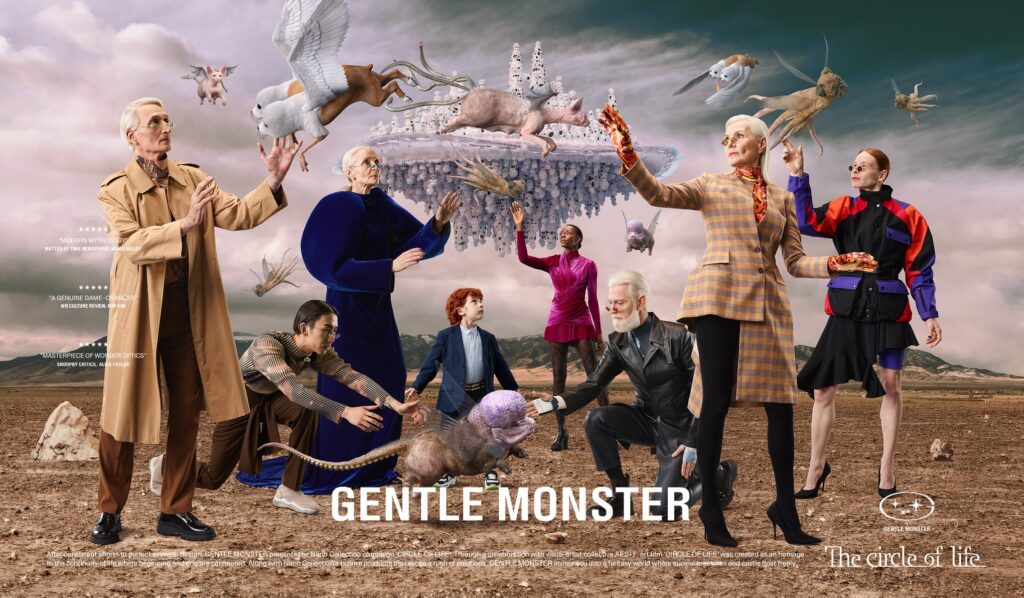
Robotic installations.
Futuristic sculptures.
Conceptual environments.
The stores were no longer just retail spaces.
They became tourist destinations.
Later, technology companies also began to take interest, including a reported $100 million investment from Google, reflecting growing interest in the future of smart eyewear and tech-driven fashion.
Following its partnership with Huawei seven years ago in the smart-glasses segment, it became clear that Gentle Monster was looking ahead and positioning itself for the future of smart eyewear. That long-term vision is likely one of the reasons why Google later invested hundreds of millions into the company.
Winning the Market From the Outside
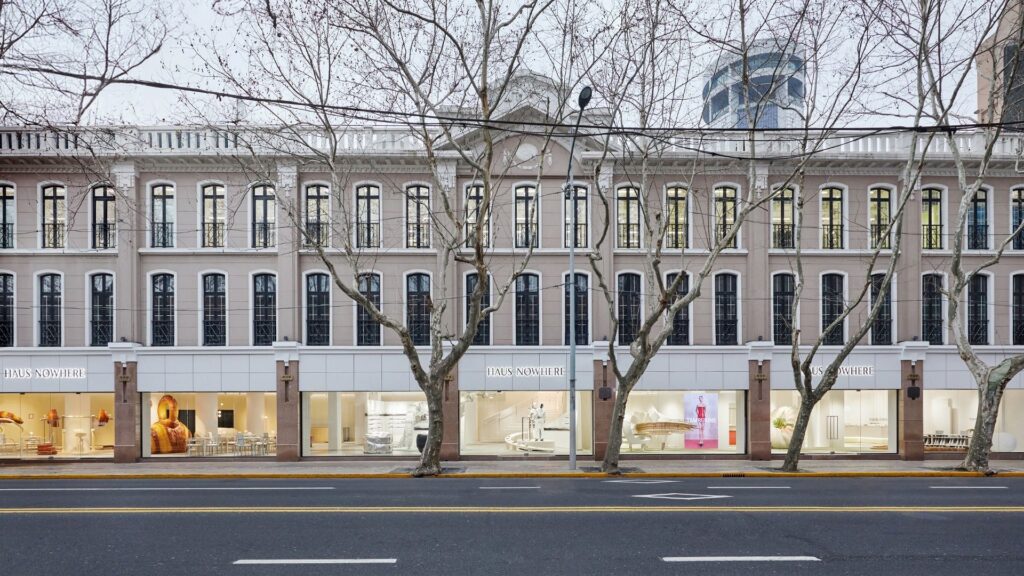
Today the brand operates:
- 80+ stores
- 14 countries
- 400+ retailers across 30 markets
But the most important detail is this:
The brand did not grow by chasing retailers.
Retailers came later.
It grew by winning the consumer first.
The Meaning Behind the Name
The name itself reveals the philosophy.
Gentle
Elegant. Wearable. Refined.
Monster
Experimental. Radical. Creative.
The combination reflects the brand’s ambition:
Radical ideas made wearable.

The Real Lesson for New Eyewear Brands
If you are launching an eyewear brand today, this story carries an uncomfortable truth.
Entering the industry through traditional B2B channels can be difficult.
Gatekeepers exist.
Networks matter.
Relationships often outweigh innovation.
But consumers don’t care about those structures.
They care about:
- design
- culture
- experience
- identity
In the end, the brands that shape the future rarely ask permission from the industry.
They build something so compelling that the industry eventually has no choice but to follow.

 English
  French
  Italian
  Spanish
  Portuguese
  German
  Korean
  Japanese