


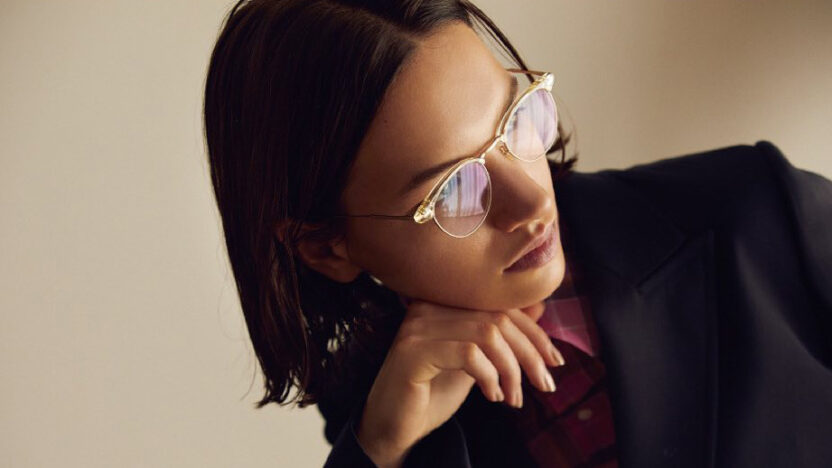
In an industry increasingly dominated by mass-produced luxury and conglomerate-owned brands, EYEVAN stands apart as a rare example of eyewear rooted in craft, cultural depth and design integrity.
Founded in Japan in 1972, EYEVAN was among the first companies to challenge the perception of glasses as purely medical tools. Instead, it introduced a radical idea for the time: eyewear as a fashion accessory an object of dressing, identity and style.
More than five decades later, EYEVAN has become one of the most influential names in high-end Japanese eyewear, building a cult global following through meticulous craftsmanship, understated design and a philosophy that elevates frames into collectible fashion objects.
From Functional Necessity to Style Statement
When EYEVAN emerged in the early 1970s, eyewear in Japan was still largely viewed through a functional lens. The brand was created under Yamamoto Bojin Megane Co., Ltd., with a mission that was ahead of its era: “Eyewear for dressing as a fashion accessory.”
This approach positioned EYEVAN not simply as an optical manufacturer, but as a design-driven lifestyle label aligning eyewear with the world of fashion long before the category became mainstream in luxury.
The Sabae Advantage: Craftsmanship at the Core
A key pillar of EYEVAN’s identity lies in its deep connection to Sabae, Fukui Prefecture Japan’s most renowned eyewear-making region.
Often referred to as the epicenter of Japanese optical craftsmanship, Sabae is home to generations of artisans specializing in precision frame manufacturing. EYEVAN’s production reflects this heritage, combining traditional hand-finishing with modern engineering.
Rather than focusing on industrial scale, the brand emphasizes tactile quality, balance, and longevity frames designed not only to be worn, but to endure.
International Breakthrough and Cultural Recognition
EYEVAN’s global expansion began in earnest in the mid-1980s, when its designs attracted attention beyond Japan.
In 1985, the brand gained recognition through the Los Angeles luxury optical scene, opening doors to international distribution and establishing itself as one of the earliest Japanese eyewear labels embraced abroad.
By the 1990s, EYEVAN had become embedded in a wider cultural landscape appearing on tastemakers and creatives drawn to its intellectual minimalism and vintage-inspired elegance.
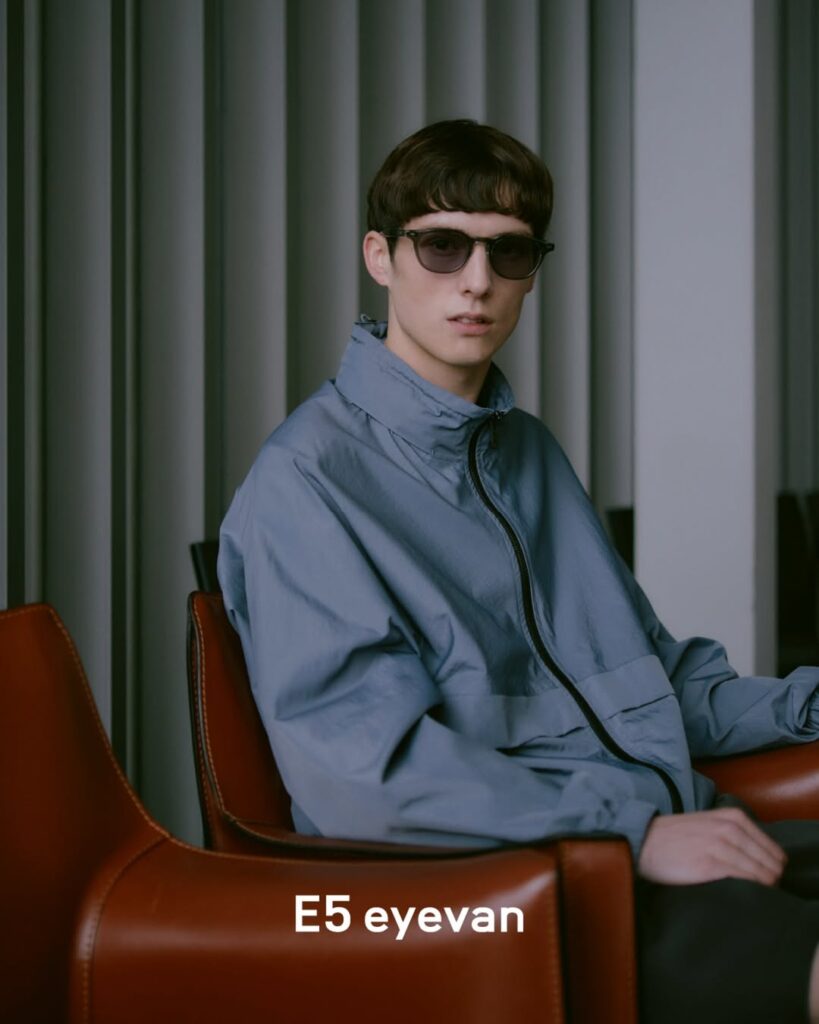
A Brand Ecosystem: EYEVAN 7285, 10 EYEVAN and Beyond
As eyewear evolved into a serious luxury category, EYEVAN expanded its universe through concept-driven sub-brands:
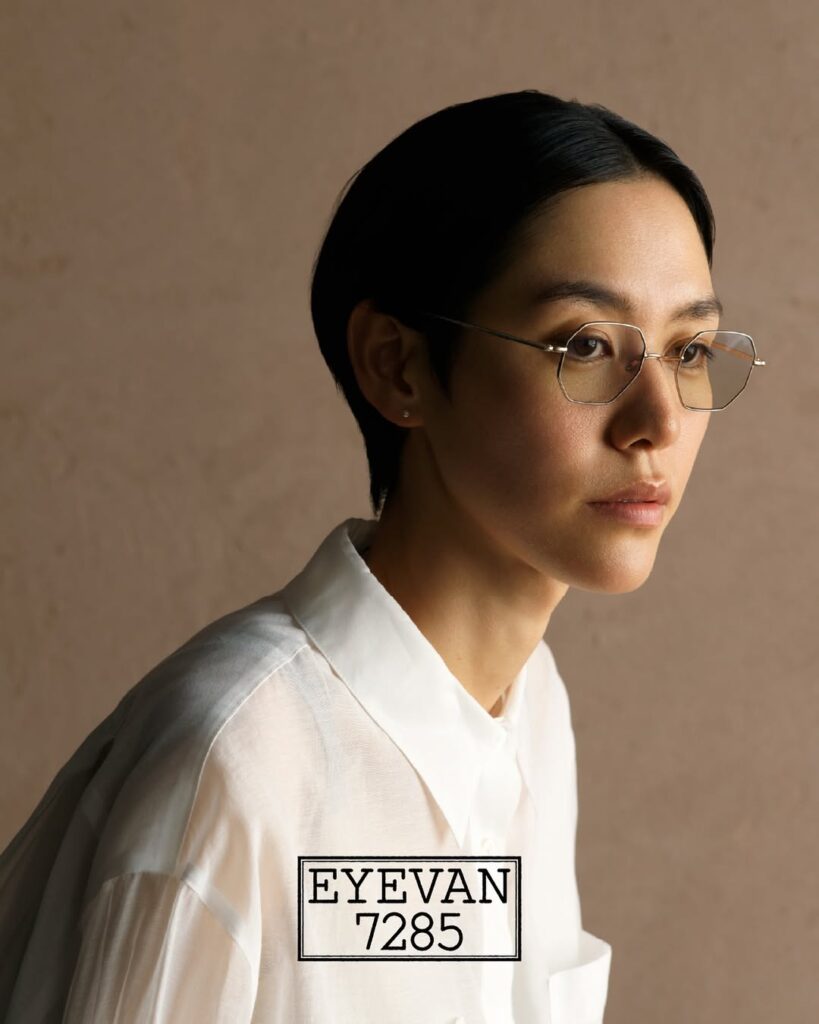
EYEVAN 7285 (launched 2013)
Positioned as the brand’s most elevated line, EYEVAN 7285 merges archival references with contemporary Japanese design.
Each model is produced through hundreds of detailed processes in Sabae, drawing inspiration from vintage optical tools, architecture and classic European frames.
10 EYEVAN
Built around the philosophy of the “beautiful tool,” 10 EYEVAN focuses on perfection at the component level redesigning every element of eyewear for purity and function.
Eyevol
A more performance-oriented extension of the brand, Eyevol bridges fashion aesthetics with active functionality.
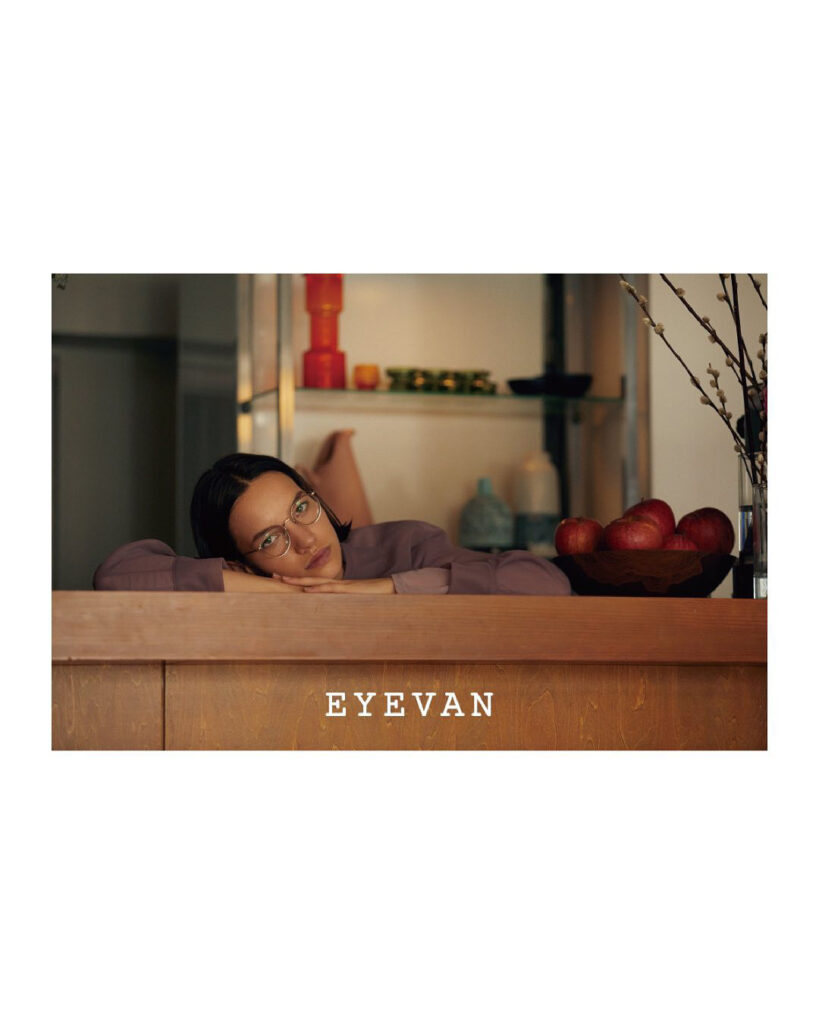
Collaborating with The Row: A Convergence of Quiet Luxury and Craft
A particularly notable chapter in EYEVAN’s recent history is its collaboration with The Row, the Los Angeles-based luxury brand founded by Mary-Kate and Ashley Olsen, renowned for its quiet luxury aesthetic elegant, understated design driven by craftsmanship and material quality.
Though neither brand has published an extensive official press release about the partnership, multiple product listings and fashion sources confirm that The Row’s eyewear line has been developed in collaboration with EYEVAN, blending two distinct design philosophies into a unified product category.
This collaboration resulted in pieces such as the Ella sunglasses characterized by sculptural three-dimensional acetate frames, subtly shaped through hydraulic pressing, paired with hidden hinges and refined proportions that epitomize The Row’s disciplined approach to form and silhouette. The Japanese manufacture and precision engineering typical of EYEVAN are evident, marrying The Row’s minimalist mindset with high-caliber optical craftsmanship.
Products emerging from this partnership are typically made in Japan, blending EYEVAN’s technical expertise including its careful frame shaping and lens technology with The Row’s fashion sensibility, resulting in eyewear that reads as both accessory and design object. While some models are now sold out or found primarily on secondary markets, their existence demonstrates how EYEVAN can scale its artisanal strengths into co-created fashion collections that appeal to global luxury audiences.
In the broader context of EYEVAN’s evolution, the collaboration with The Row exemplifies the brand’s ability to transcend its identity as a niche eyewear maker and operate as a design partner for global fashion houses a move that reinforces its relevance within contemporary style discourse while highlighting the versatility of its craft ethos.
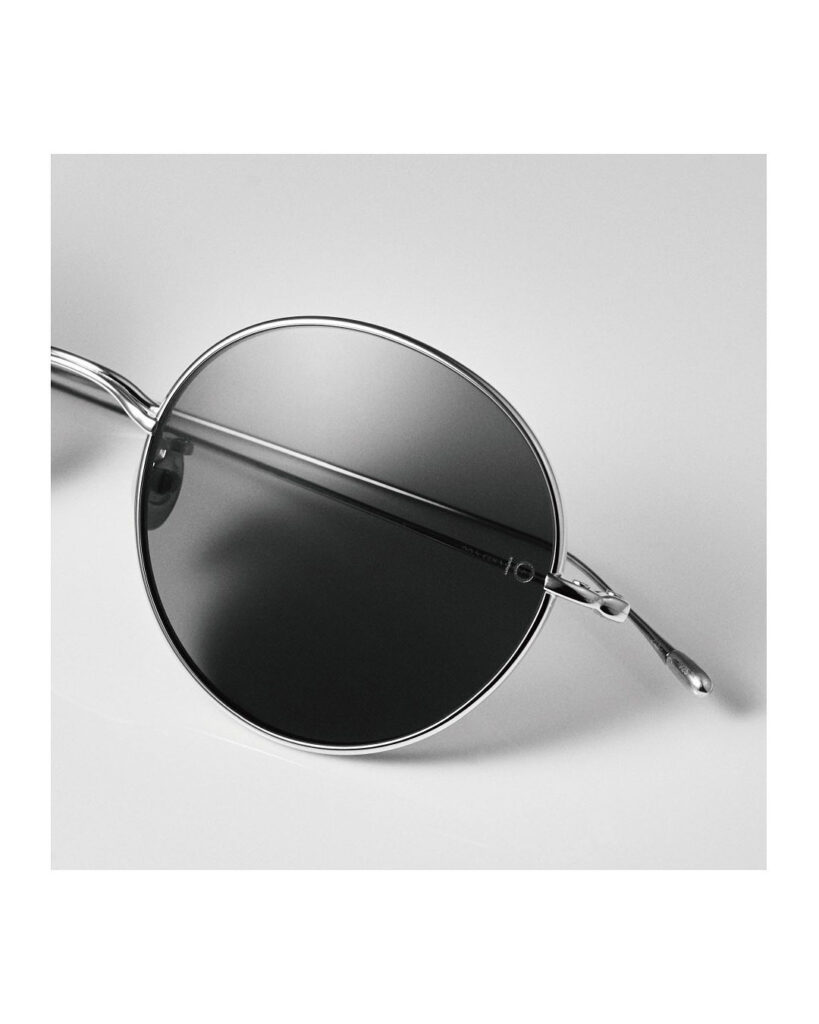
Design Philosophy: Quiet Luxury Before It Was a Trend
What makes EYEVAN particularly relevant today is its alignment with the modern shift toward quiet luxury a rejection of logos and trend cycles in favor of subtle design codes and craftsmanship.
The company’s philosophy emphasizes:
- integrity in manufacturing
- harmony with society and environment
- continuous creative evolution
- respect for long-term relationships with customers and partners
EYEVAN frames are designed not as seasonal products, but as enduring objects of style.
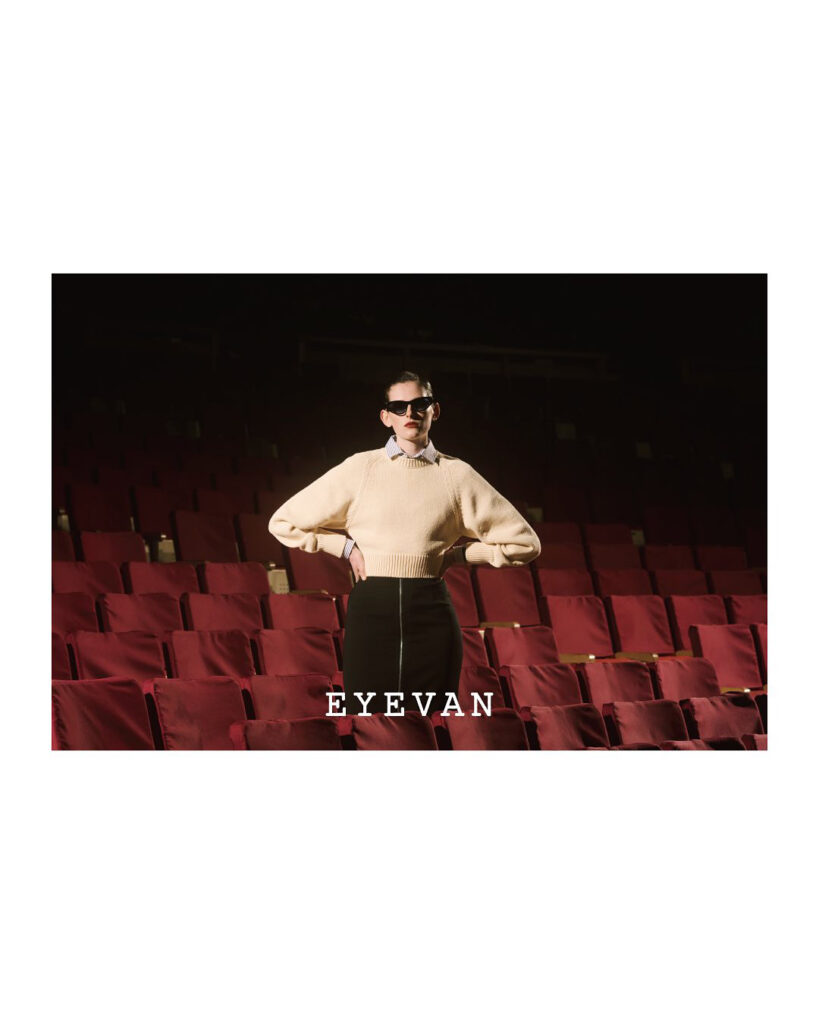
Conclusion: Eyewear as Cultural Object
In a market increasingly shaped by fast luxury and aggressive branding, EYEVAN represents an alternative path: one where eyewear is treated as design, heritage and identity.
By combining Japanese artisanal excellence with a fashion-first vision that began in 1972, EYEVAN has redefined luxury eyewear as something quieter, smarter and more lasting frames not just for seeing, but for being seen.


 English
  French
  Italian
  Spanish
  Portuguese
  German
  Korean
  Japanese
[…] between fashion and eyewear have already captured attention. Partnerships such as The Row with Eyevan or Yuichi Toyama with Armani demonstrate how fashion houses increasingly value the […]