


The term independent brand has become one of the most widely used and most misunderstood expressions in today’s eyewear landscape. It is vast, fluid, and often mispositioned. No single authority has clearly defined it, and as a result, the term is frequently reduced to a superficial label rather than understood as a strategic and philosophical positioning.
At its most basic level, an independent eyewear brand is traditionally described as a company that does not belong to a large conglomerate, where a small, dedicated team designs and produces frames. But in reality, this definition barely scratches the surface.
True independence is not merely about ownership structure. It is about DNA.
It is about uncompromising quality, obsessive attention to detail, custom-developed components, and a design language that is intentional rather than trend-chasing. Independent brands are not just producing eyewear; they are shaping culture.
Independence Is No Longer About Capital
One of the most persistent misconceptions is that independence equals financial isolation. This idea is outdated.
Today, the brands that genuinely move the market those that innovate, set trends, and influence the entire industry almost always have investment funds behind them. High-level innovation, advanced production techniques, proprietary components, and consistent quality at scale are simply not possible without significant financial resources.
What defines independence today is not where the money comes from, but who controls the vision.
An independent brand is one whose creative direction, philosophy, and long-term strategy are not dictated by a corporate board focused solely on margins and volume, but by founders, designers, and creative leaders committed to building something meaningful and enduring.
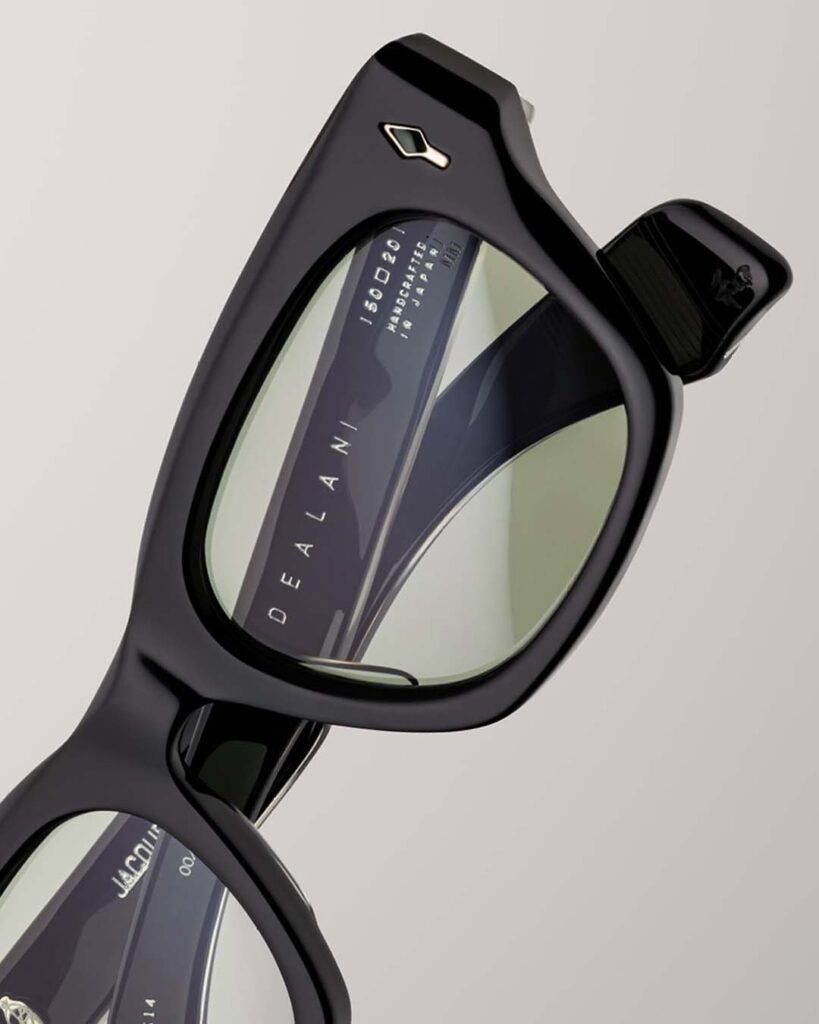
Independent Brands as the Industry’s Innovation Engine
In eyewear, trends do not originate in boardrooms they originate in independent studios.
Time and time again, independent brands have proven to be the true innovation labs of the industry. Shapes, constructions, color treatments, and design languages introduced by independent labels are later absorbed often directly copied by major global brands.
This is not coincidence. Large corporations optimize; independent brands experiment.
When “Independent” Becomes a Misleading Label
In recent years, a growing number of respected independent brands have been acquired by luxury conglomerates or vertically integrated groups. Examples include:
- Barton Perreira, acquired by Thelios
- Lindberg, acquired by Kering
In many cases, optical retailers are not fully informed of these acquisitions. As a result, stores believe they are selling independent brands when, in fact, they are offering products that are now part of corporate ecosystems.
This matters because selling an independent brand is not about selling a logo. It is about selling a story, a philosophy, and a point of view.
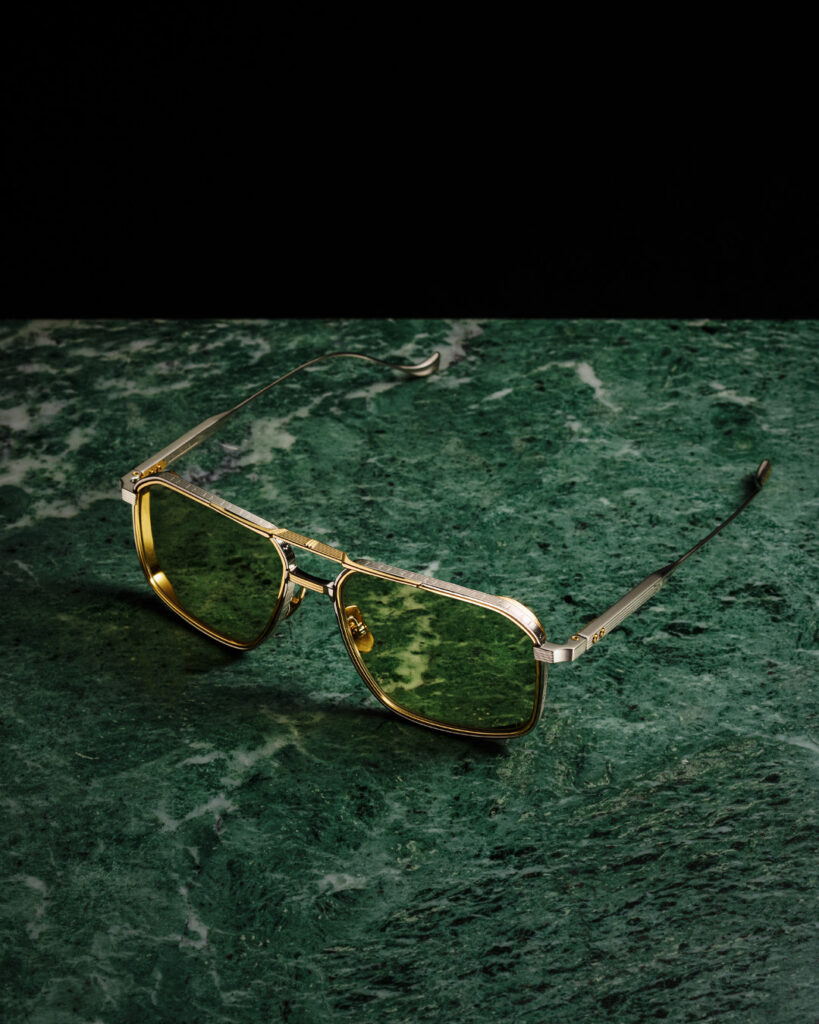
Investment Funds ≠ Loss of Independence
It is equally important to clarify that the presence of investment funds does not automatically negate independence.
Behind many highly respected brands stand strategic investors who support growth while preserving creative autonomy, such as:
- Jacques Marie Mage — backed by Felix Capital, Liberty Equity Management, Label Capital, Midi Management
- Akoni — backed by Alsara Investment Group
- Ahlem — backed by 1686 Partners
These funds enable brands to invest in marketing, tooling, R&D, artisanal production, and global distribution while allowing founders to retain control over the brand’s soul.
Independence Requires Innovation — Not Just a Name on a Frame
Not all independent brands are innovative.
Writing a brand name on a frame does not make a brand independent in spirit. True independence requires advancing the category whether through construction, materials, design language, or cultural impact.
An independent brand must add something new to the conversation. It must leave a visual, technical, or emotional imprint.
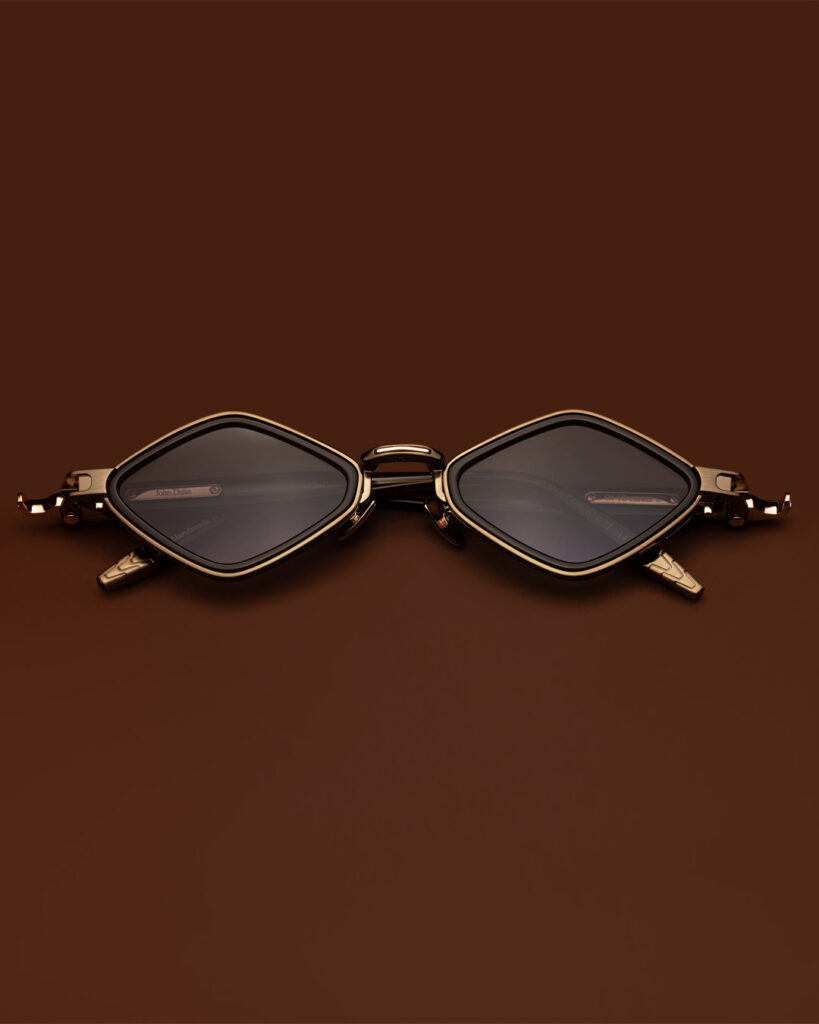
Product Evaluation Guide: Key Criteria for True Independent Eyewear
| Evaluation Criteria | Description |
|---|---|
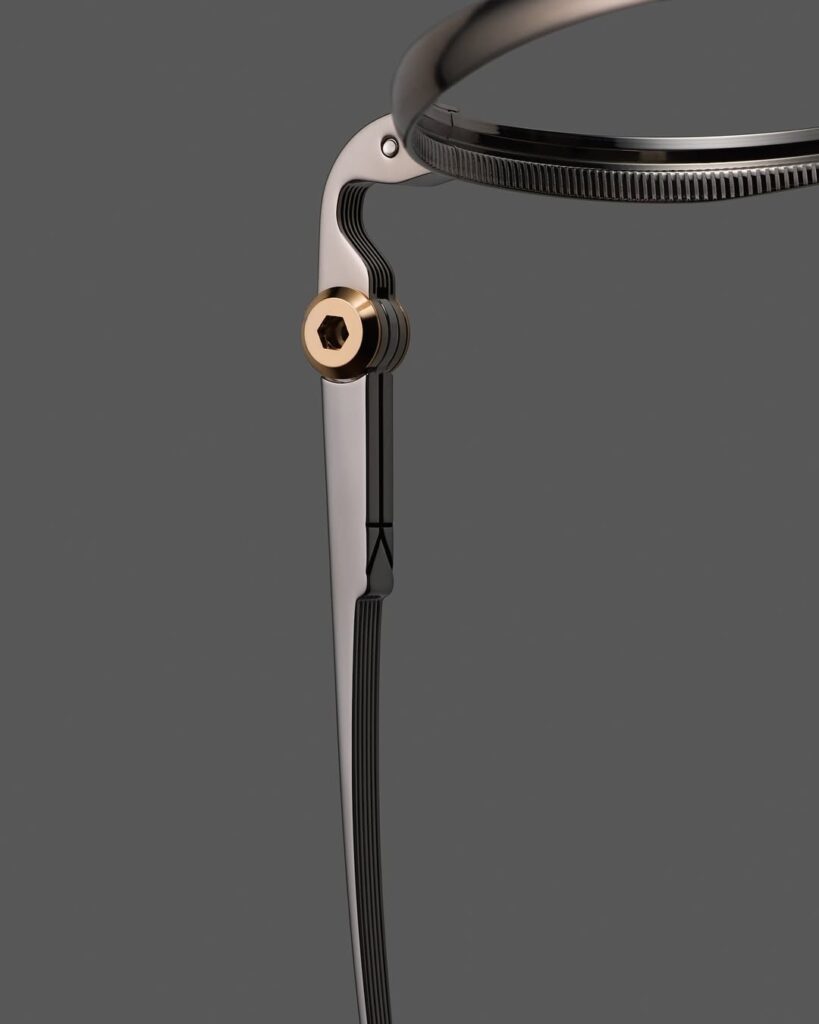
| Custom Hinges & Titanium Components | Proprietary hinge systems designed exclusively for the brand, not off-the-shelf components |
| Core Introduced Through Lamination | Structural or aesthetic cores integrated through advanced lamination techniques |
| 5-Axis CNC-Cut Acetate | Precision shaping using multi-axis CNC technology for complex geometries |
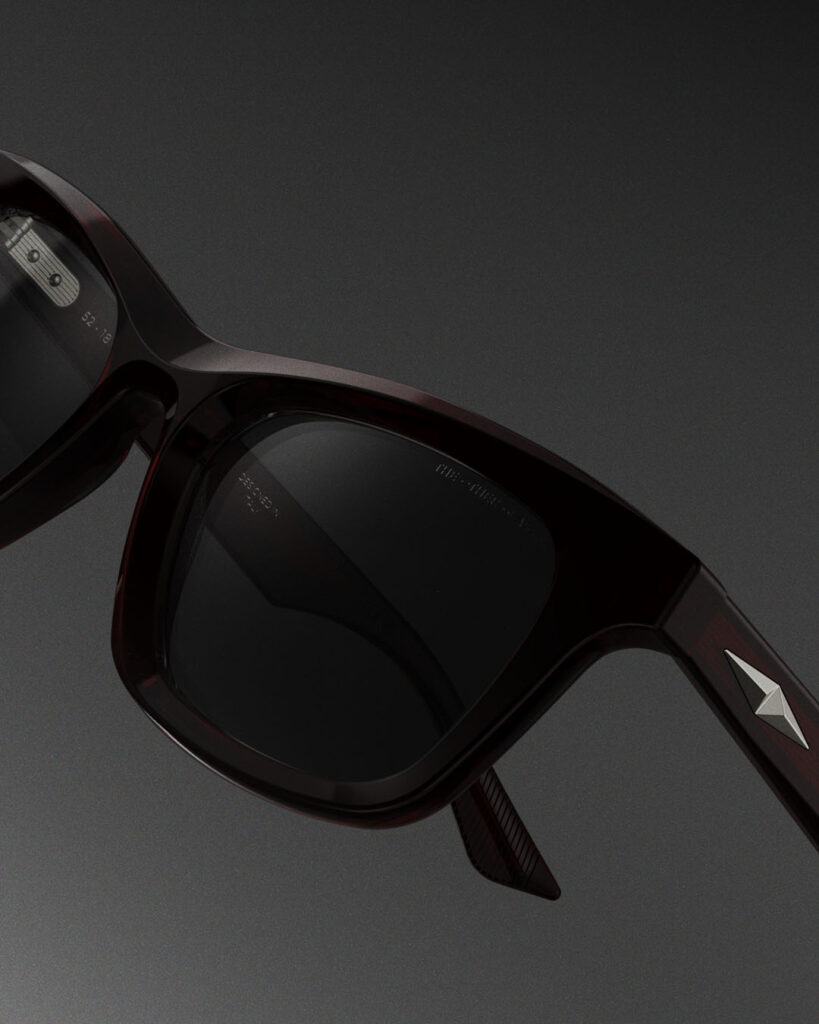
| Lens Logo Application | Branding integrated directly on the lens, reflecting attention to detail |
| Distinctive DNA Elements | Recognizable design signatures unique to the brand |
| Innovative Elements | New approaches to construction, materials, ergonomics, or aesthetics |
| Clear Artistic & Creative Direction | A consistent and recognizable aesthetic vision across collections, communication, and product design |
| Consistency Across Collections | Logical evolution of the brand’s design language rather than seasonal reinvention |
| Proprietary Design Language | A unique visual and structural design code that goes beyond basic frame shapes |
| Limited Production Philosophy | Controlled quantities that support exclusivity and quality |
| Price Integrity Strategy | Strong MSRP control and resistance to discount-driven distribution |
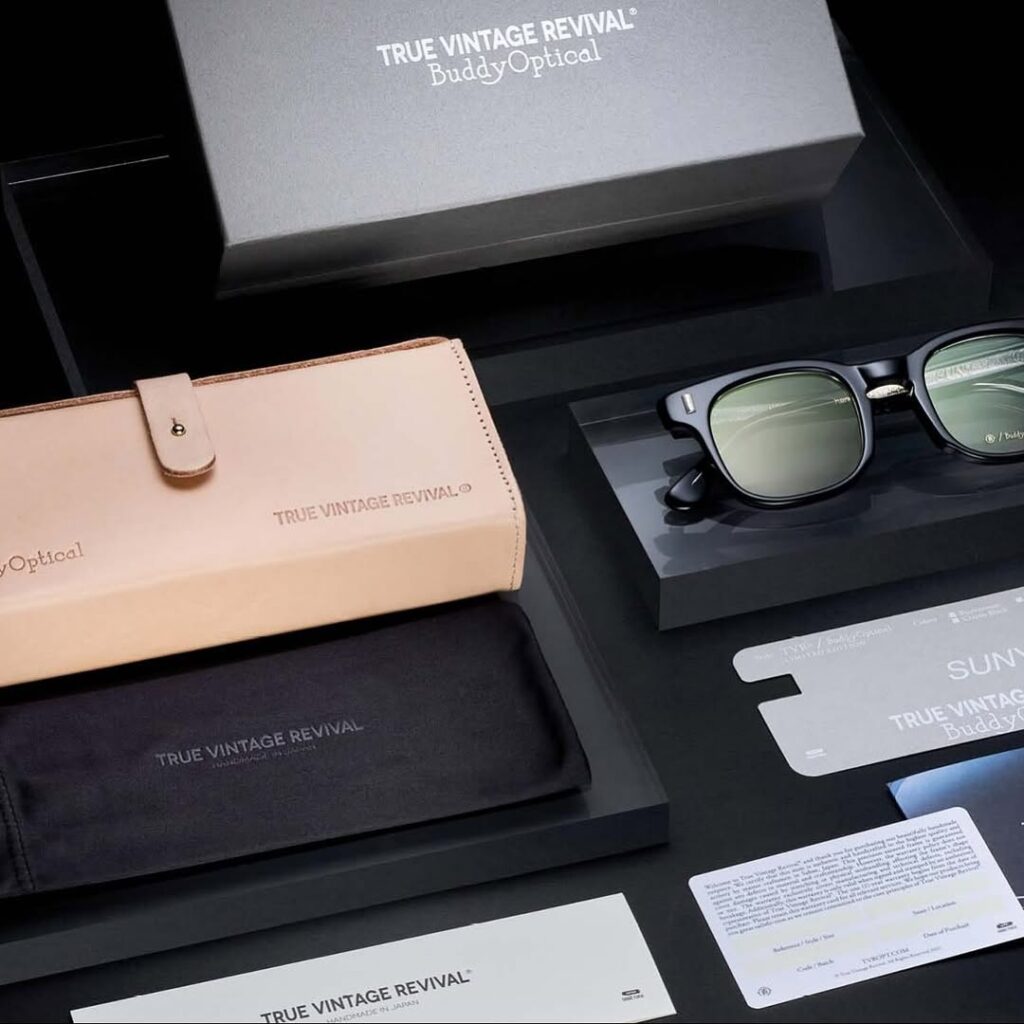
| Customer Experience Design | Packaging, in-store presence, and after-sales aligned with the brand’s DNA |
| Retail Selectivity | Careful choice of retail partners aligned with brand values |
| Cultural or Visual Impact | Ability to influence aesthetics, culture, or industry perception |
Brands That Currently Define Technical Relevance in Independent Eyewear
Based on the evaluation criteria outlined above, we have compiled a list of brands that, at this moment in the market, meet these standards through innovation, technical execution, aesthetic coherence, and adaptability to the current industry landscape.
It is important to clarify that historical relevance does not automatically equal current relevance. While many legacy eyewear brands have played an important role in shaping the industry, a significant number of them no longer contribute meaningfully in terms of innovation, construction, or cultural impact.
The brands that truly matter today are those that continue to push technical boundaries, invest in production complexity, and evolve with the market without diluting their DNA.
Equally important: this list is not static. The relevance of independent brands is dynamic and shifts continuously depending on innovation cycles, production evolution, and market behavior.
Below is a technical relevance table, focusing on how these brands perform against the previously defined criteria.
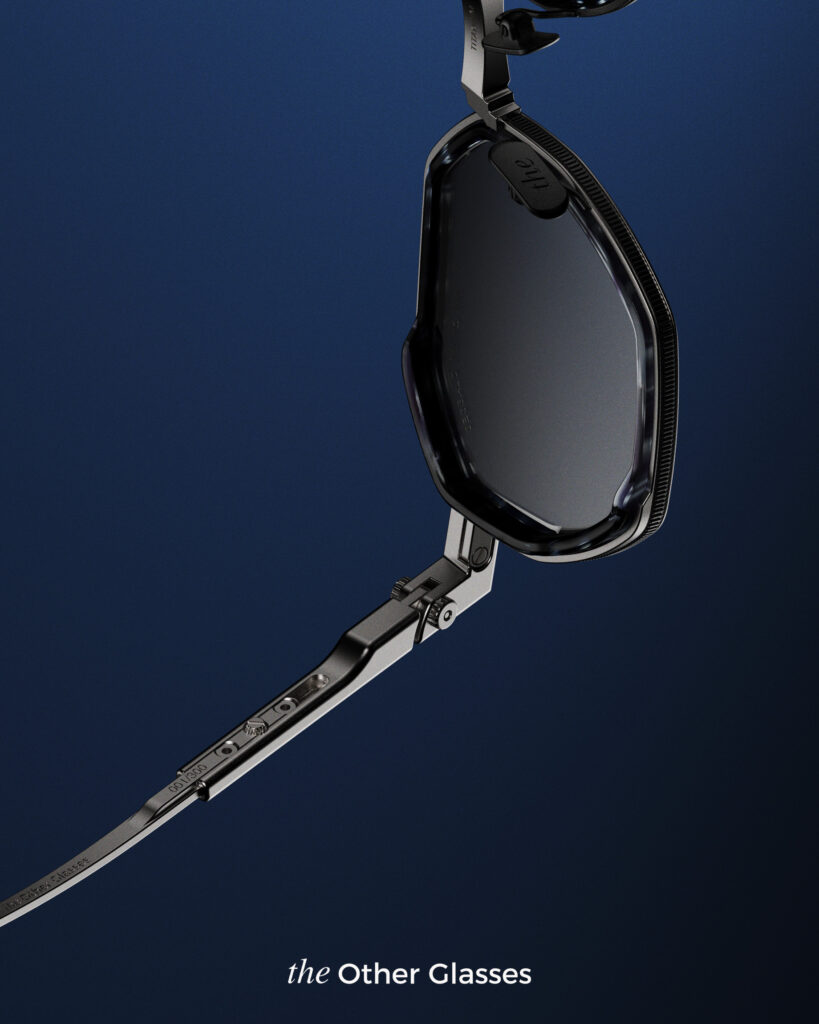
Current Technically Relevant Independent Eyewear Brands
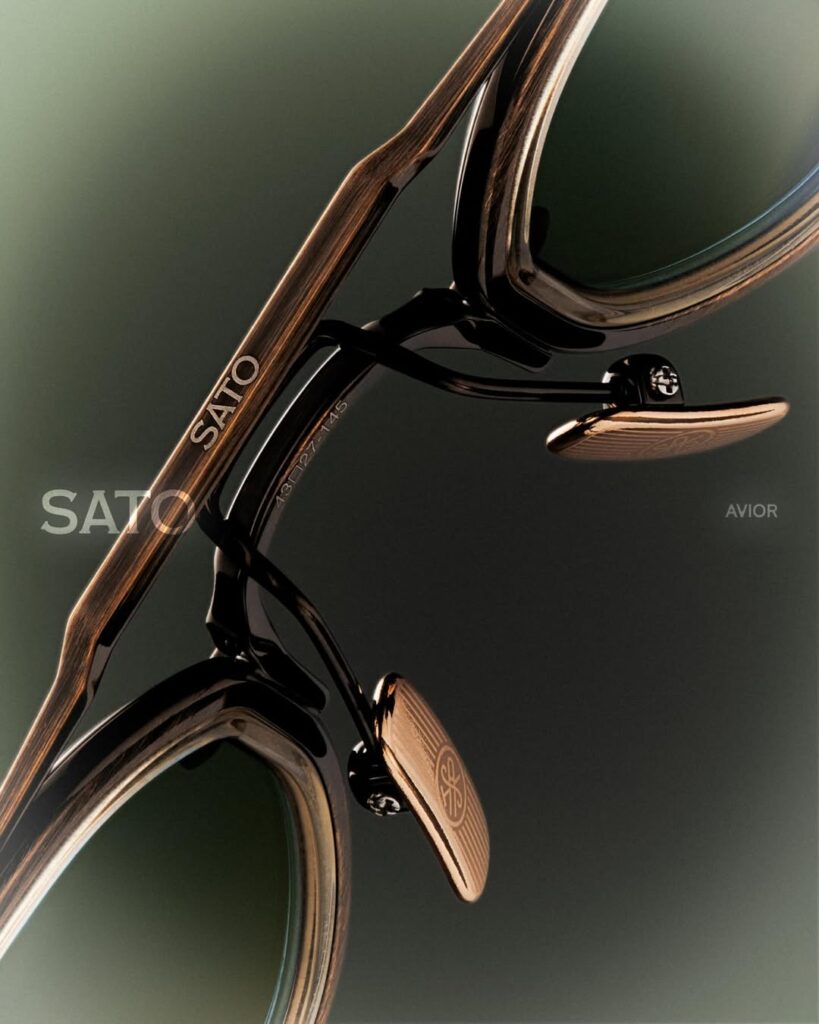
| Sato | Fully meets all criteria in detail, with exceptional balance between technical execution and design discipline |
| Yuichi Toyama | Fully meets all criteria; strong architectural design language and advanced production techniques |
| TVR | Particularly outstanding in acetate work with extremely complex, hand-decorated laminated cores |
| The Other Glasses | Fully meets all criteria with a strong proprietary DNA and high technical consistency across Essence line. |
| Lapima | Impeccable acetate execution; lacks custom hinges and proprietary hardware components |
| Ahlem | Meets all criteria except laminated core construction; strong artistic direction and refined production |
| John Dalia | Collections from the past year fully meet all criteria, showing a clear technical and creative evolution |
| Matsuda | Fully meets all criteria; industry benchmark for metal craftsmanship and complexity |
| Jacques Marie Mage | Fully meets all criteria; exceptional in limited production, construction, and storytelling |
| Chrome Hearts | Fully meets all criteria; highly complex custom hardware and unmistakable brand DNA |
| T-Henri | Fully meets all criteria; strong emphasis on materiality and construction integrity |
| Lunetterie Générale | Meets most criteria; lacks laminated core construction and higher levels of technical complication |
| Max Pittion | Strong, distinctive aesthetic; lacks laminated cores and custom hardware components |
| Mykita | Innovative in titanium sheet construction; follows a different technical philosophy than acetate-heavy brands |
| Akoni | Fully meets all criteria with strong emphasis on precision engineering and material quality. Lacks in creative direction. |
| VOA | Innovators in metal eyewear, introducing new architectural approaches to frame construction |
| Cutler & Gross | Partially meets criteria; lacks complex proprietary components and consistent technical depth |
| Paloceras | Unique and recognizable aesthetic; lacks proprietary hardware and custom hinge systems |
| Eyevan | Partially meets criteria; refined design but limited use of complex or proprietary components |
This list is not about popularity, marketing presence, or historical prestige. It is about who is technically relevant today.
Independent eyewear is not a static category—it is a moving target. Brands that matter now may not matter tomorrow, and new names will inevitably emerge as innovation cycles continue.
What defines relevance is not how long a brand has existed, but how much it contributes to the evolution of the category right now.
The Role of Affordable Luxury Independent Brands in the Market
Beyond the technically advanced independent brands discussed above, there is an essential and legitimate segment within the independent eyewear ecosystem: affordable luxury.
Brands in this category operate at a different price point and, by nature, cannot meet the full spectrum of technical, production, and component-related criteria previously outlined. This limitation is not a weakness—it is a strategic positioning choice.
Affordable luxury independent brands serve a clear introductory purpose in the market. They act as an entry gateway for consumers who are beginning to explore independent eyewear, offering strong identity, heritage, or aesthetic value without the production complexity and cost structure of high-end technical brands.
| Brand | Market Positioning & Evaluation |
|---|---|
| Lesca | Strong heritage and recognizable aesthetic; limited technical complexity but clear historical DNA |
| Moscot | Cultural icon with strong storytelling and retail identity; production focuses on accessibility rather than innovation |
| Lunettes Alf | Honest, well-executed frames with clear positioning in the introductory independent segment |
| Jean Philippe Joly | Distinctive design language and strong personality; technical execution remains intentionally simplified |
| Aude Herouard | Artistic and expressive approach to eyewear; |
Why Independent Brands Are a Strategic Advantage for Retailers
Customers today have endless choices online, offline, everywhere. Competition is brutal.
But when you work with independent brands, you are competing with fewer stores, benefiting from greater price integrity, and offering higher value per product. You are aligning with a close-knit group of professionals who demand excellence not just for themselves, but for the retailers, staff, and customers they work with.
Independent brands do not aim to be everywhere. They aim to be right.
Selling Independent Is Selling Time, Knowledge, and Care
When something looks effortless, it never is.
Behind every beautifully balanced frame, every refined hinge, every perfect acetate polish, there are countless hours of work. Nothing in high-end eyewear happens by chance.
This is why a strong portfolio of independent and high-end brands is such a powerful tool. It allows you to take the customer by the hand, introduce them to something new, and explain why it is right for them.
You are not just selling a frame. You are selling production knowledge, design intent, fit expertise, and trust.

Storytelling as a Retail Superpower
In this small corner of a vast industry, independent eyewear gives us the chance to offer something rare: exclusivity with meaning.
Tell the customer the story behind the brand. Explain the inspiration behind the design. Show the craftsmanship, the artistry, and the innovation.
Then pair it with a shape, color, or size they never imagined would suit them. That is how loyalty is created.
Customers may walk in asking for what they already know but they remember the stores that introduced them to something they didn’t know they needed.
Why Independent Brands Matter More Than Ever
As store after store across the UK and Ireland is acquired and converted into retail outlets offering mass-produced frames from large conglomerates or lower-tier brands, the need to clearly define what an independent brand truly is has never been more urgent.
This structural shift is not merely a change in ownership it directly impacts product quality, diversity, price integrity, and the long-term sustainability of optical retail. In an increasingly homogenized market, independent eyewear brands represent one of the last remaining pillars of differentiation.
Understanding what defines an independent brand, how it should be sold, and why it matters is essential not only for retailers, but for consumers as well. Independent brands are built on design integrity, craftsmanship, and creative autonomy, not on volume-driven strategies. For this reason, they are also the brands most likely to remain relevant and resilient in the years ahead.
Opticians who wish to maintain control over their businesses must protect their independence through informed brand selection. Likewise, customers who value quality, originality, and long-term value should consciously choose truly independent optical stores that curate and support such brands.
A strong independent economy is not optional it is vital. It sustains innovation, preserves craftsmanship, and ensures that optical retail remains a profession built on expertise rather than commoditization.
Final Thought
Yes, retail is hard. Brutally hard. And yes, recognizable brands are often necessary to survive.
But independent brands are what allow a store to stand out, to build identity, and to create lasting relationships. They transform transactions into experiences and customers into long-term ambassadors.
And that is the real power of independence.


 English
  French
  Italian
  Spanish
  Portuguese
  German
  Korean
  Japanese