

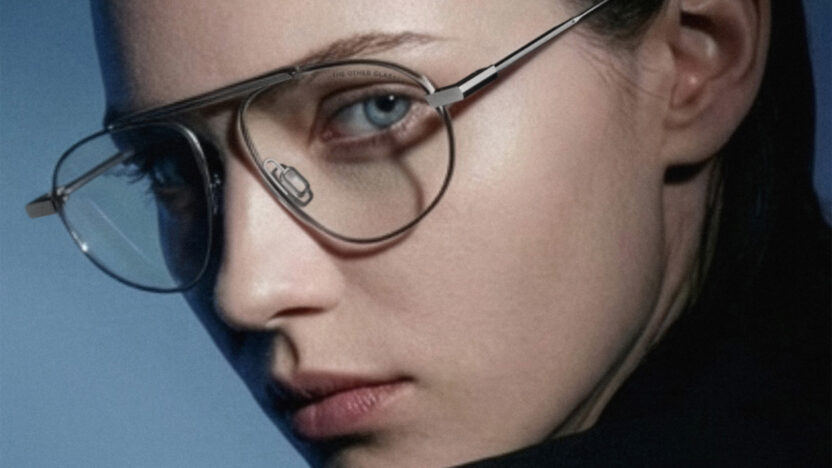
Over the past 12 months, the global fashion industry has entered a structural transition rather than a cyclical trend change. After a decade dominated by streetwear, logo-driven branding, maximalist silhouettes and digitally amplified hype, quiet luxury has emerged as a counter-response not only aesthetically, but culturally and economically.
Quiet luxury represents a recalibration of value. It shifts the focus from recognisable branding to craft, restraint, longevity and cultural literacy. The codes are subtle. The message is implicit. The value proposition is summed up by the now-familiar principle: “If you know, you know.”
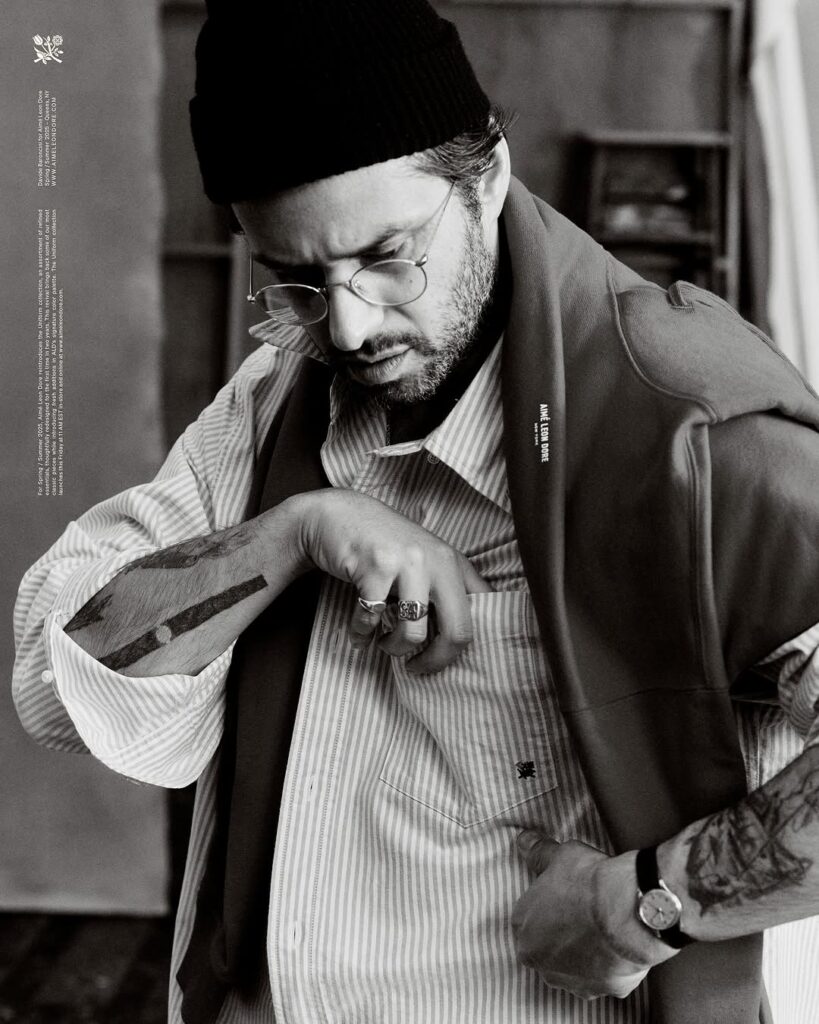
Macro Signals Driving the Quiet Luxury Shift
1. Digital Fatigue and the End of Logomania
The mid-2010s luxury boom was powered by visibility: logos optimised for Instagram, bold silhouettes designed for instant recognition, and collaborations engineered for virality. As luxury consumption became hyper-visible, its symbolic power eroded.
Quiet luxury emerges as an anti-algorithmic language one that resists instant legibility. Brands reduce visual noise, allowing materials, tailoring and proportions to carry meaning. This is not about invisibility, but about selective legibility.
2. Post-Pandemic Consumer Behaviour
The pandemic accelerated online consumption, but it also exposed the limits of digital luxury. As physical retail returns, consumers gravitate back toward heritage brands and tangible quality pieces that justify their price through construction, durability and timeless relevance.
This shift explains why brands like Uniqlo have seen sustained growth by focusing on quality basics and timeless design, while multi-brand luxury platforms such as Ssense and Farfetch face structural pressure amid over-assortment and discount-driven models.
Quiet Luxury in Menswear: A Global Convergence
Minimalism has become the dominant language in contemporary menswear across geographies and price points.
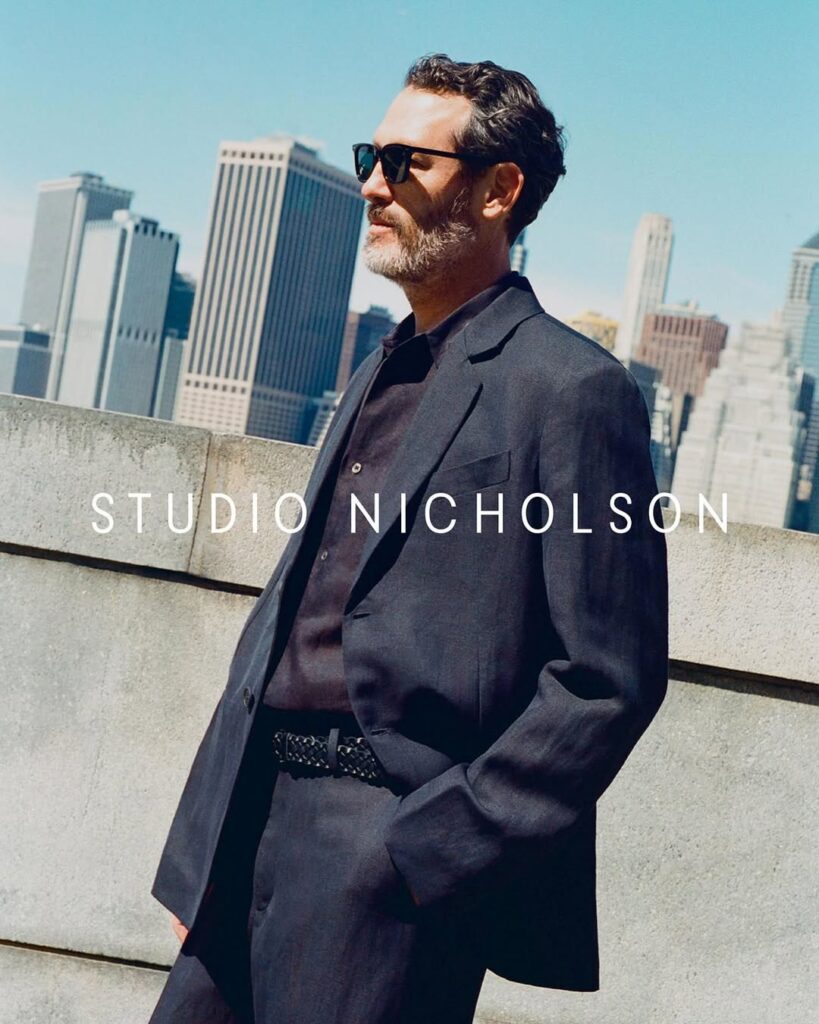
From Japanese labels such as Auralee, Ssstein and A.Presse; to Scandinavian brands like Mfpen, Our Legacy and NN.07; to American independents including Evan Kinori, The Row and Stòffa; and Western European houses such as Drake’s, Studio Nicholson and Lemaire the fastest-growing menswear brands today share common traits:
- Subtle tailoring and workwear-inflected silhouettes
- Muted, coherent colour palettes
- Fabric innovation over graphic design
- Clothes designed to age, not expire
Unlike previous eras logo-heavy streetwear or ultra-slim tailoring this aesthetic is broadly flattering and inclusive, offering brands wider reach during a global luxury slowdown.
The Luxury Repositioning of Heritage Houses
The rise of quiet luxury has also reshaped the perception of established brands.
- Zegna’s public listing marked a strategic shift toward modernised heritage.
- Loro Piana and Brunello Cucinelli have transitioned from niche connoisseur labels to cultural reference points.
- Kiton, once reserved for the top 1% now operates with broader mainstream visibility without compromising its craftsmanship narrative.
Quiet luxury does not reject scale; it reframes it through controlled growth and cultural credibility.
The Eyewear Industry at a Turning Point
The eyewear sector mirrors fashion’s transformation but with greater inertia. Logo-heavy frames and oversized, complex designs are increasingly misaligned with the new luxury codes.
A major signal came when Kering acquired Lindberg and repositioned it within fashion-forward department stores such as Antonia. The message was clear: eyewear is no longer an accessory driven by branding alone, but a design object aligned with fashion culture.
The Rise of Independent, Concept-Driven Eyewear
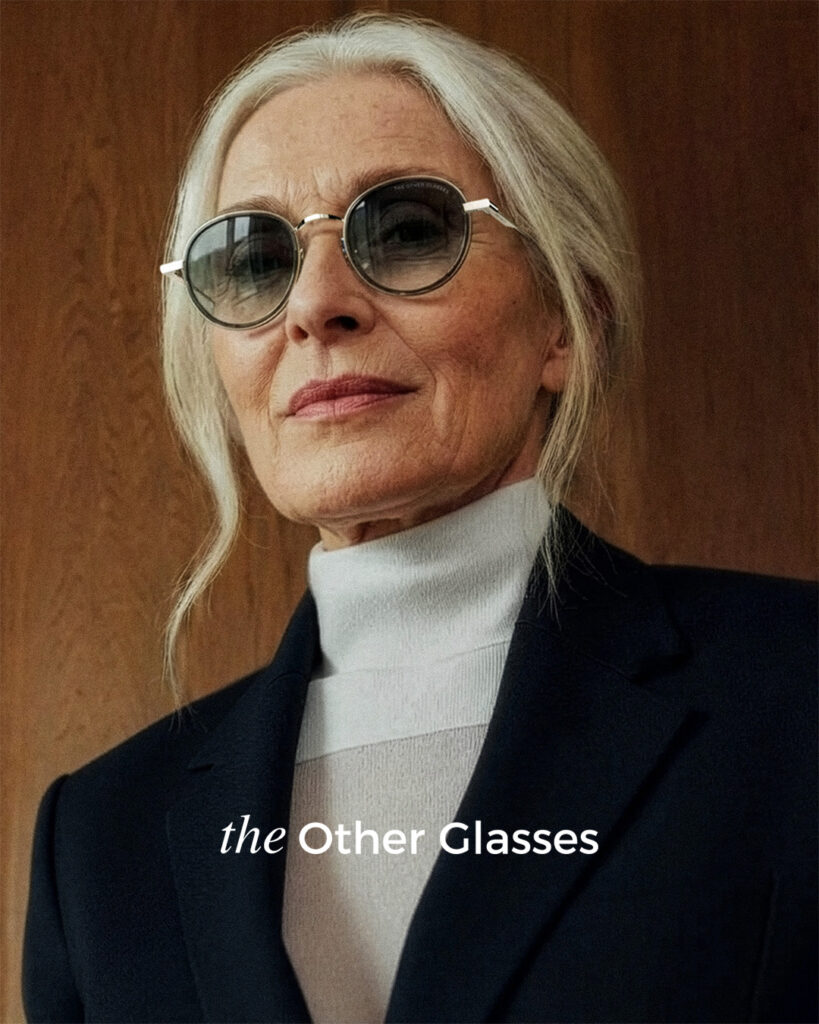
A new generation of eyewear brands is emerging with a fundamentally different proposition. Rather than seasonal excess, they focus on collectable frames, minimal forms and obsessive attention to detail. These brands never think in seasons and collections.
[Europe] Brands like The Other Glasses exemplify this shift rethinking eyewear in the same way The Row redefined the white T-shirt: stripping the product back to its essence, elevating it through material, proportion and intent.
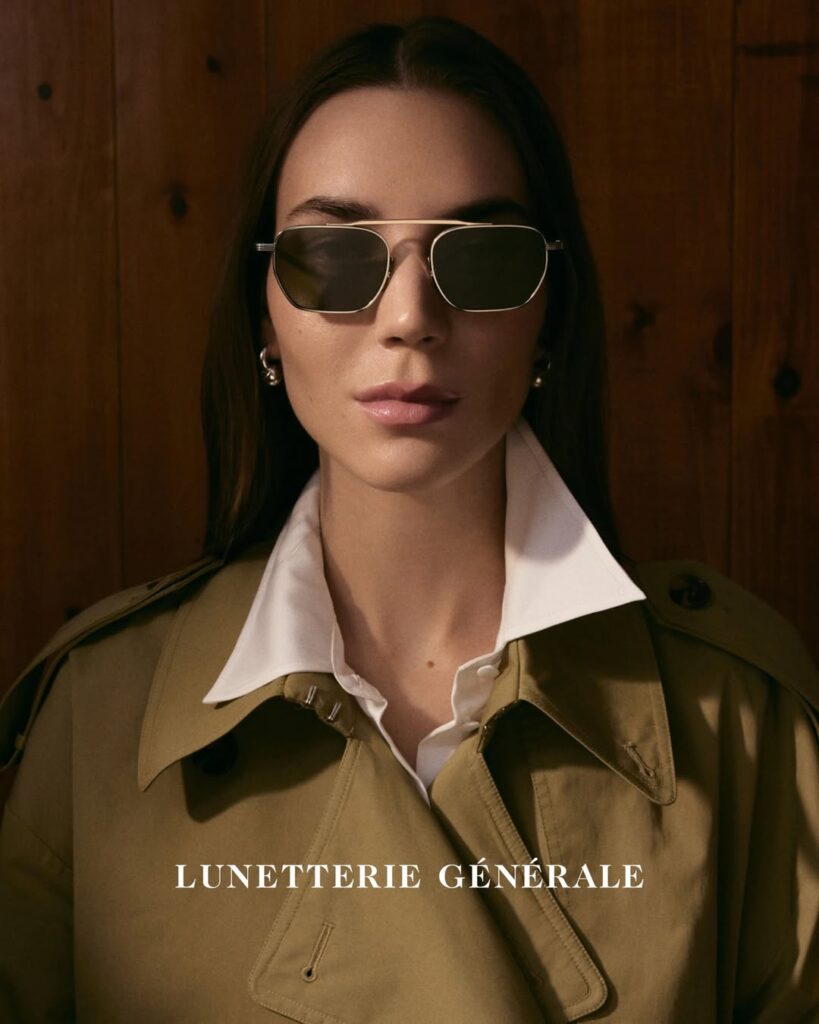
[Canada] Meanwhile, established independents such as Lunetterie Générale present in the market for over five years are experiencing renewed growth as the industry finally aligns with their long-standing philosophy.
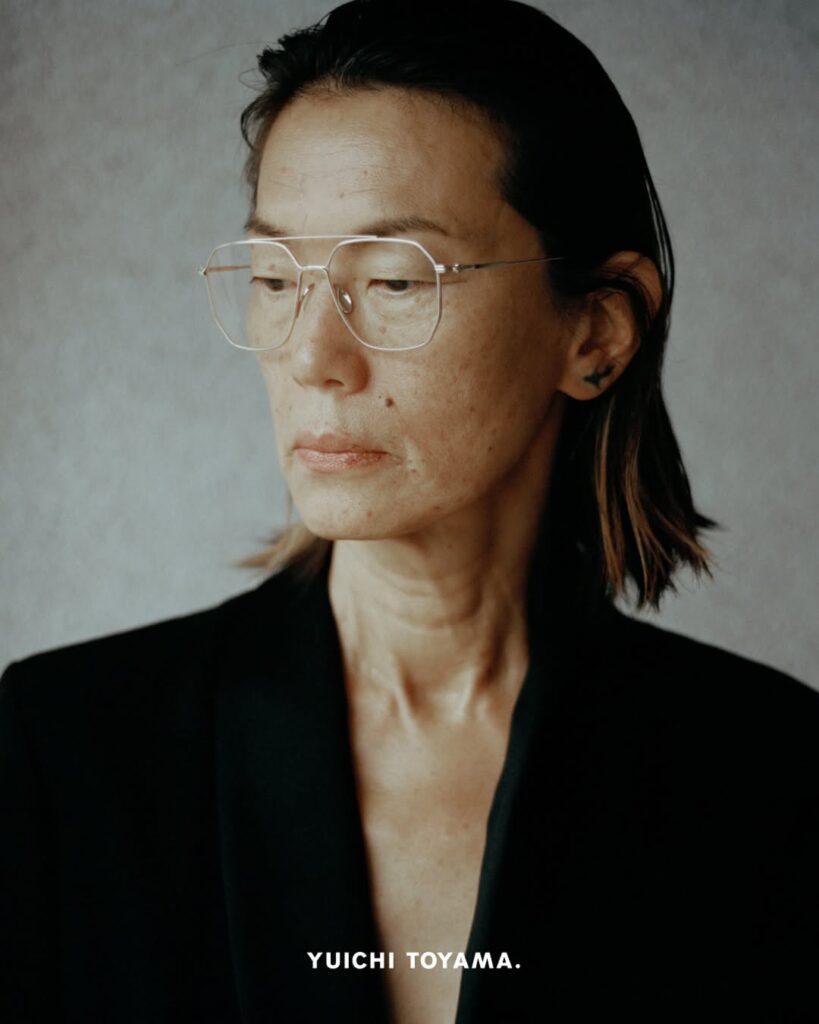
[Japan] Alongside emerging independent labels, long-established Japanese eyewear brands are gaining renewed relevance within the quiet luxury landscape. Brands such as Yuichi Toyama present in the market for over two decades are being re-evaluated through a new lens. Long recognised for their technical precision, architectural minimalism and high-level collaborations with houses such as Giorgio Armani, these brands now align naturally with the values shaping contemporary luxury.
Opticians: Between Confusion and Opportunity
Independent opticians are currently navigating a transitional phase. For years, premium pricing was justified through complexity: heavy acetates, bold forms, visible engineering and brand recognition (e.g., maximalist frames like Dita).
As the market shifts away from maximalism, many opticians face challenges:
- How to sell minimal frames at premium prices
- How to communicate value without logos
- How to educate consumers unfamiliar with quiet luxury aesthetics
Industry conversations reveal a deeper issue: nearly 90% of the independent optical market remains disconnected from fashion culture. In today’s environment, brand recognition alone no longer drives value. What matters is quality, narrative, cultural relevance and design intent.
Education as the Missing Link
Quiet luxury cannot succeed in eyewear without education — at retail level and beyond.
Opticians must evolve from sellers to curators and educators, capable of explaining:
- Material sourcing and craftsmanship
- Design references and cultural context
- Longevity versus trend-driven consumption
Independent brands working with independent retailers will play a critical role here. As the saying goes: independents must stand with independents — not just commercially, but culturally.
Independent Opticians at a Strategic Crossroads
As the market transitions toward quiet luxury, independent opticians are being forced to make fundamental strategic decisions. The long-standing reliance on large conglomerates — whose value propositions are increasingly built around logo recognition rather than product integrity is becoming structurally misaligned with today’s consumer expectations.
Independent opticians are already aware that logos are no longer a guaranteed sales driver. In an uncertain economic climate, aggressive discounting has also lost its effectiveness as a growth lever, often eroding brand equity without generating long-term loyalty. Consumers who gravitate toward quiet luxury are not price-led; they are value-led, seeking authenticity, craftsmanship and cultural relevance rather than visible branding.
Looking Ahead: The Next Decade
Quiet luxury is not a fleeting aesthetic. It is a structural response to economic uncertainty, digital saturation and a more discerning luxury consumer.
In eyewear, this means:
- Fewer logos, more substance
- Fewer collections, stronger products
- Less noise, deeper cultural resonance
The brands and opticians who understand this shift early and invest in education, storytelling and design integrity will define the next decade of the optical industry.
Quiet luxury doesn’t ask to be seen. It asks to be understood.

 English
  French
  Italian
  Spanish
  Portuguese
  German
  Korean
  Japanese
[…] or what the industry now labels as quiet luxury is no longer a passing aesthetic; it is shaping up to define the next chapter of fashion. Recent […]